 Best of Artisans
Water Around Your Indoor AC Unit? Check the Condensate Drain First
Water near an indoor air-conditioning unit can come from a blocked condensate path. Here is what to check safely before moisture damages the surrounding area.
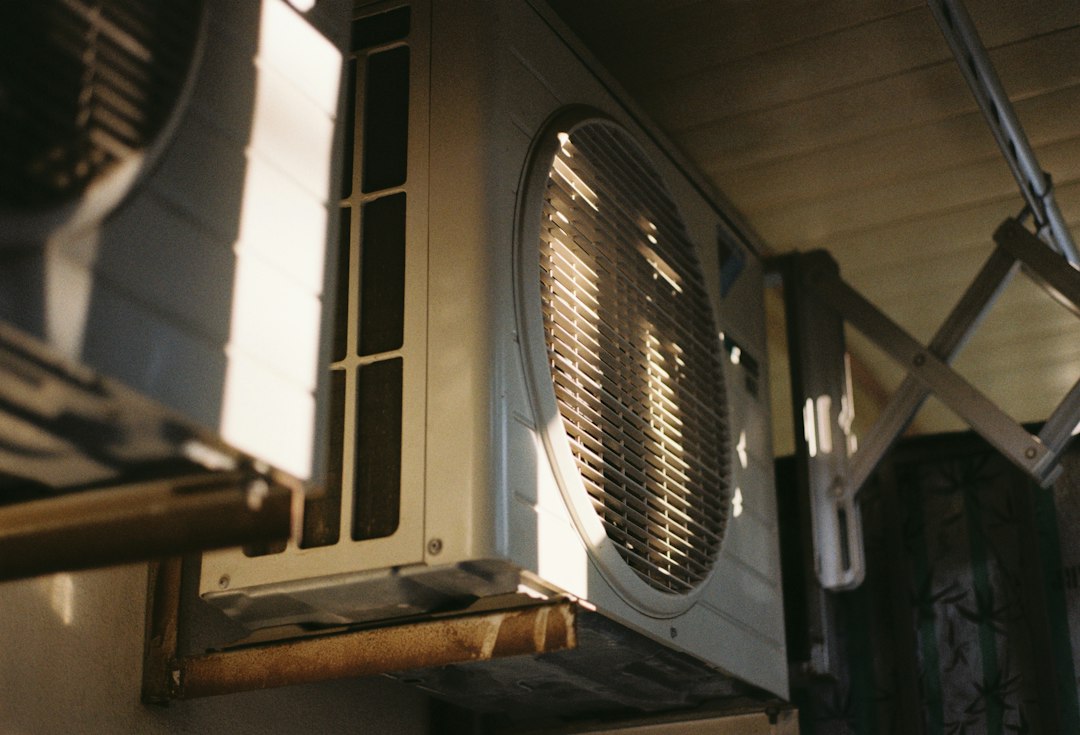
Air conditioners remove moisture from indoor air as they cool. That water is supposed to collect in a drain pan and leave through a condensate line. When the path is blocked or something else goes wrong, water may appear around the indoor equipment.
Where the Water Normally Goes
As warm indoor air passes over a cold evaporator coil, moisture condenses on the coil. The water drops into a pan and drains away through piping. In a properly working system, that process happens without leaving water on the floor or ceiling below the unit.
Why Condensate Drains Clog
Dust, biological growth and debris can accumulate in drain lines and traps over time. A drain pan can also crack, a pump can fail, or a line can become disconnected. In attic installations, even a small overflow can damage ceilings and insulation below.
What You Can Check Safely
- Turn the system off if water is actively spreading near electrical equipment.
- Look for a full or overflowing drain pan without removing electrical covers.
- Check whether the visible drain outlet is dripping when the system has been cooling for a while.
- Inspect the air filter; poor airflow can contribute to coil problems and icing.
- Look for obvious kinks or disconnected sections in accessible drain piping.
It Is Not Always Just the Drain
Water can also appear if the evaporator coil freezes and later melts, if a condensate pump stops working, if a pan is damaged, or if insulation around cold piping is missing and allows surface condensation. That is why repeated water should be diagnosed rather than repeatedly mopped up.
Why Maintenance Matters
ENERGY STAR’s HVAC maintenance checklist specifically calls for checking the condensate drain because a plugged drain can cause water damage and affect humidity. Professional maintenance should also include the coil, blower, controls and refrigerant condition.
Our Practical Take
If the water is close to wiring, a ceiling, finished flooring or an attic installation, turn the system off and deal with it quickly. A drain issue is often simpler than a major cooling failure, but the damage from ignoring it can be much more expensive than the HVAC repair itself.
Related Reading
See our HVAC guides, learn why equipment sizing matters, and review attic moisture warning signs.
Source
Get Free Daily Home Tips & Updates
Practical maintenance, repair, renovation and buying guidance from Best of Artisans.