 Best of Artisans
HVAC Short Cycling: Why Your System Starts and Stops Too Often
Frequent short heating or cooling cycles are worth investigating. Filters, thermostat location, airflow, equipment sizing and system faults can all play a role.
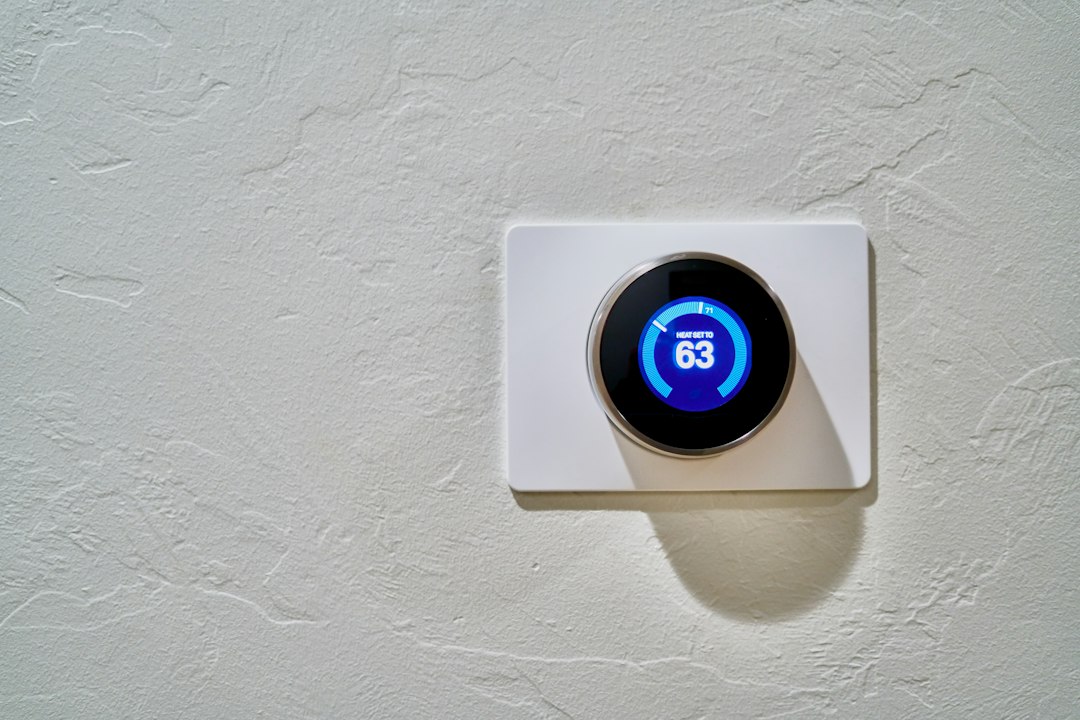
An HVAC system should not feel like it is turning on and off every few minutes all day. Very short, repeated cycles can hurt comfort and are a useful clue that the system, controls or airflow deserve attention.
What Short Cycling Looks Like
There is no single run time that is correct for every house and every weather condition. Variable-speed systems also behave differently from older single-stage equipment. The concern is a pattern of unusually brief starts and stops that fails to maintain comfortable, stable temperatures.
Check the Air Filter First
ENERGY STAR recommends checking HVAC filters regularly because dirty filters reduce airflow and make equipment work harder. Restricted airflow can create operating problems in both heating and cooling modes.
Look at the Thermostat
A thermostat near a supply register, exterior door, sunny window, kitchen or other unusual heat source can sense conditions that do not represent the rest of the house. Confirm the schedule and temperature settings before assuming the equipment itself is failing.
Blocked Registers and Dirty Equipment Matter
Closed or obstructed registers, dirty coils and blower problems can all reduce heat transfer or airflow. Annual professional maintenance is useful because the technician can evaluate system controls, starting cycle, coils and airflow rather than focusing on one component.
Oversized Equipment Can Be Part of the Problem
An oversized system may satisfy the thermostat quickly and shut off before it has run long enough to distribute heating or cooling evenly. In cooling mode, short run times can also reduce moisture removal. This is one reason proper load calculation matters when replacing equipment.
Other Causes Need Diagnosis
Control faults, safety switches, refrigerant problems, ignition issues, sensors and electrical components can also produce frequent cycling. Homeowners should not bypass safety controls or repeatedly reset breakers to keep equipment running.
Our Practical Take
If the filter is clean, vents are open and thermostat settings make sense, stop guessing. Write down how often the system cycles, whether the home reaches the set temperature and any error codes or unusual sounds. That information gives a technician a much better starting point.
Related Reading
Learn why bigger HVAC equipment is not always better, review our thermostat scheduling guide, and browse more HVAC articles.
Sources
ENERGY STAR — Heat & Cool Efficiently
ENERGY STAR — Maintenance Checklist
Get Free Daily Home Tips & Updates
Practical maintenance, repair, renovation and buying guidance from Best of Artisans.