
Attic Moisture Can Damage a Roof From the Inside: What to Check
Not every roof problem starts outside. Moisture moving into the attic can damage sheathing and insulation and contribute to durability problems.
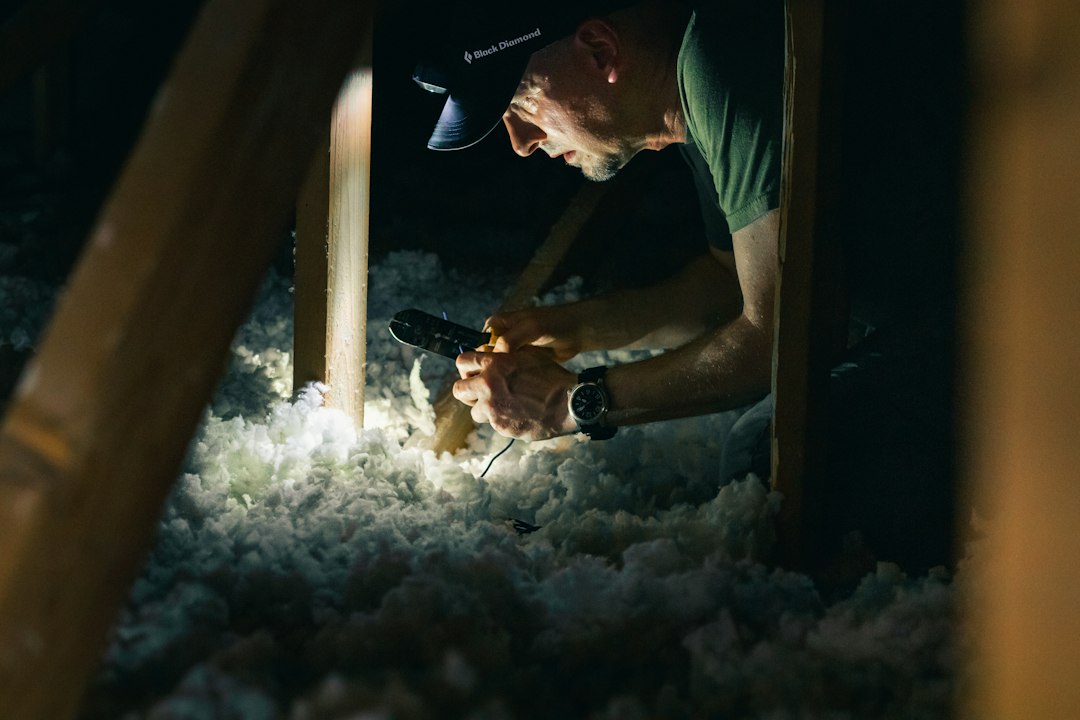
Last updated: October 8, 2026.
Roof inspections usually focus on shingles, flashing and gutters. The attic can reveal another class of problems: moisture reaching the roof structure from inside the home.
Moisture Can Enter From More Than One Direction
A roof leak is one source, but humid indoor air can also move upward through gaps around lights, ducts, attic hatches and other penetrations.
Insulation Can Hide Clues
Damp or compressed insulation can lose performance. Look for localized staining or areas that appear different from surrounding material.
Ventilation Is Part of the System
Ventilation strategies vary by roof design and climate. More vents are not automatically better if intake and exhaust are poorly balanced or if air sealing is ignored.
Bathroom and Dryer Exhaust Should Not Dump Into the Attic
Moist exhaust air should terminate outdoors. Discharging it into an attic can add a concentrated moisture source.
Related reading: Roof checks before a major storm · Roof maintenance checklist · What repeated hail can do to shingles
The Bottom Line
A durable roof depends on conditions above and below the roof deck. When you inspect the exterior, give the attic a look too—especially after leaks, cold weather or periods of high indoor humidity.
Source: U.S. Department of Energy — Guide to Durable Attics.
Get Free Daily Tips & Updates
Practical tips, money-saving ideas, useful guides, selected deals and helpful updates.