
Before the Next Major Storm: 7 Roof Checks Homeowners Can Make Safely
Storm preparation is easier before wind and rain arrive. These roof-related checks can help homeowners spot vulnerable areas without climbing onto the roof.
Last updated: October 7, 2026.
The best time to think about roof vulnerability is before severe weather appears in the forecast. Many useful checks can be done from the ground, attic, or a safe window without walking on the roof.
1. Look for Visible Changes From the Ground
Binoculars or a phone camera zoom can help you spot missing shingles, lifted edges, damaged trim, or debris accumulation.
2. Clear Gutters and Downspouts
Water needs a path away from the roof and foundation. Blocked gutters can overflow at exactly the wrong time.
3. Check the Attic
Look for old water staining, daylight through unexpected gaps, damp insulation, or loose roof sheathing visible from inside.
4. Trim Risky Branches
Branches that rub the roof or hang directly above it can become a source of impact damage in strong wind.
5. Secure Outdoor Objects
Patio furniture, grills, planters, and loose materials can become windborne debris.
6. Document the Current Condition
Recent photos can help you compare before-and-after conditions if damage occurs.
7. Use a Professional for Roof-Level Work
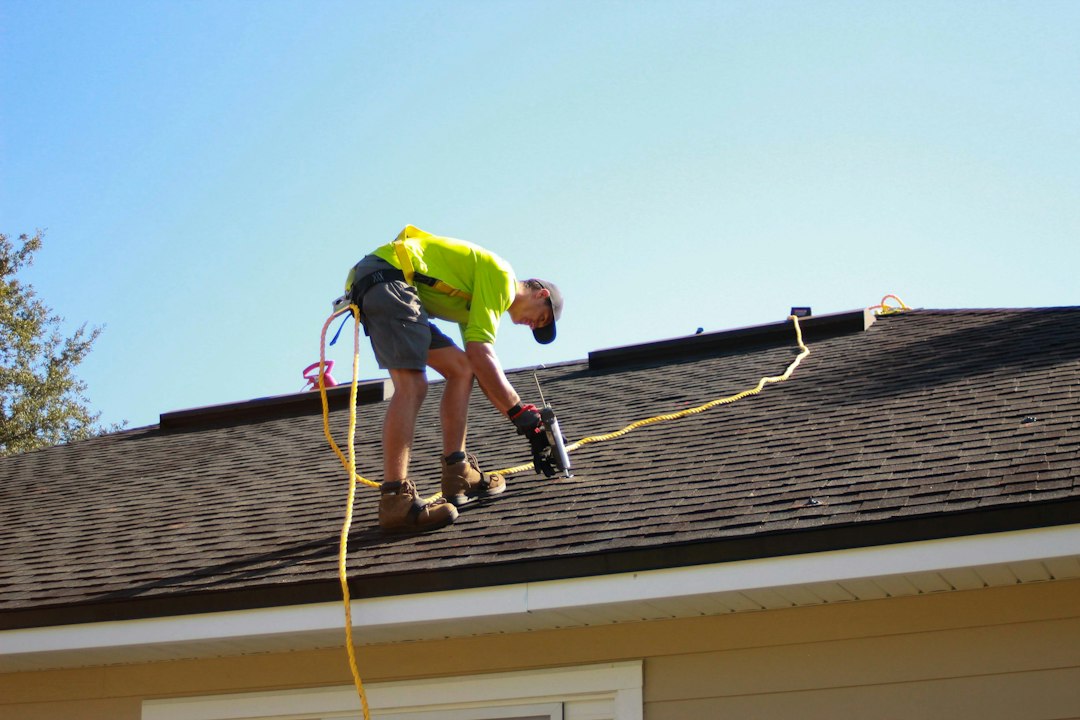
Do not climb onto a wet, steep, damaged, or storm-exposed roof. A qualified roofing professional can inspect areas that are not safely visible from the ground.
Related reading: What research says about repeated hail impacts · Practical roof-maintenance checklist · Roof repair or replacement?
The Bottom Line
Storm preparation is mostly about finding weak points early. Drainage, loose materials, branches, existing leaks, and roof attachment details deserve attention before the weather turns severe.
Source: FEMA — Avoiding Hurricane Damage: A Checklist for Homeowners.
Get Free Daily Tips & Updates
Practical tips, money-saving ideas, useful guides, selected deals and helpful updates.