
Renovating a Pre-1978 Home? EPA Updated Its Lead-Safe Guidance in 2026
Sanding, cutting and window replacement can disturb old lead-based paint. EPA’s 2026 guidance explains when certified firms and lead-safe work practices matter.
Last updated: October 8, 2026.
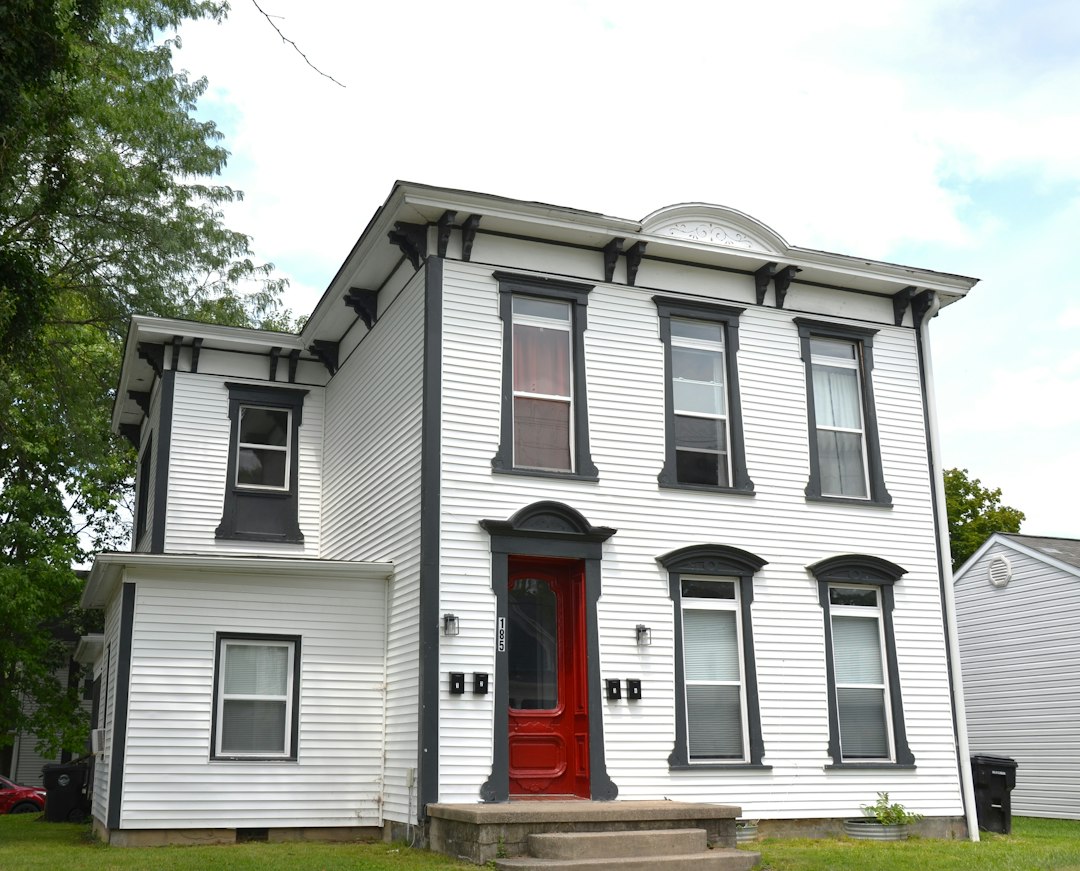
Older homes can have layers of paint that look ordinary but contain lead. Renovation work can turn that paint into dust that spreads beyond the immediate work area.
Why 1978 Is the Key Date
Consumer use of lead-based paint was banned in 1978, so homes built before then are more likely to contain it.
Common Projects Can Disturb Lead Paint
Sanding, demolition, electrical work, plumbing access, carpentry, painting preparation and window replacement can all disturb painted surfaces.
Ask Contractors About Certification
EPA says firms performing covered paid renovation work must be certified. Homeowners can verify firms through EPA’s lead-professional locator or an authorized state program.
DIY Work Still Needs Care
The federal RRP rule generally treats owner-occupant DIY work differently from paid contracting, but EPA still recommends lead-safe work practices because dust exposure can affect the household.
Related reading: DIY remodeling trends in 2026 · What the remodeling slowdown means for planning · Efficient window shopping in 2026
The Bottom Line
If a project will disturb paint in a pre-1978 home, lead safety belongs in the planning conversation before demolition starts—not after dust appears.
Sources: EPA — Steps to Lead-Safe Renovation, Repair and Painting; EPA — RRP Program for Contractors.
Get Free Daily Tips & Updates
Practical tips, money-saving ideas, useful guides, selected deals and helpful updates.