 Best of Artisans
Ice on a Heat Pump: When Frost Is Normal and When to Call for Service
A light layer of frost on a heat pump can be normal in cold weather. Heavy ice that does not clear is different. Here is what homeowners should watch for.
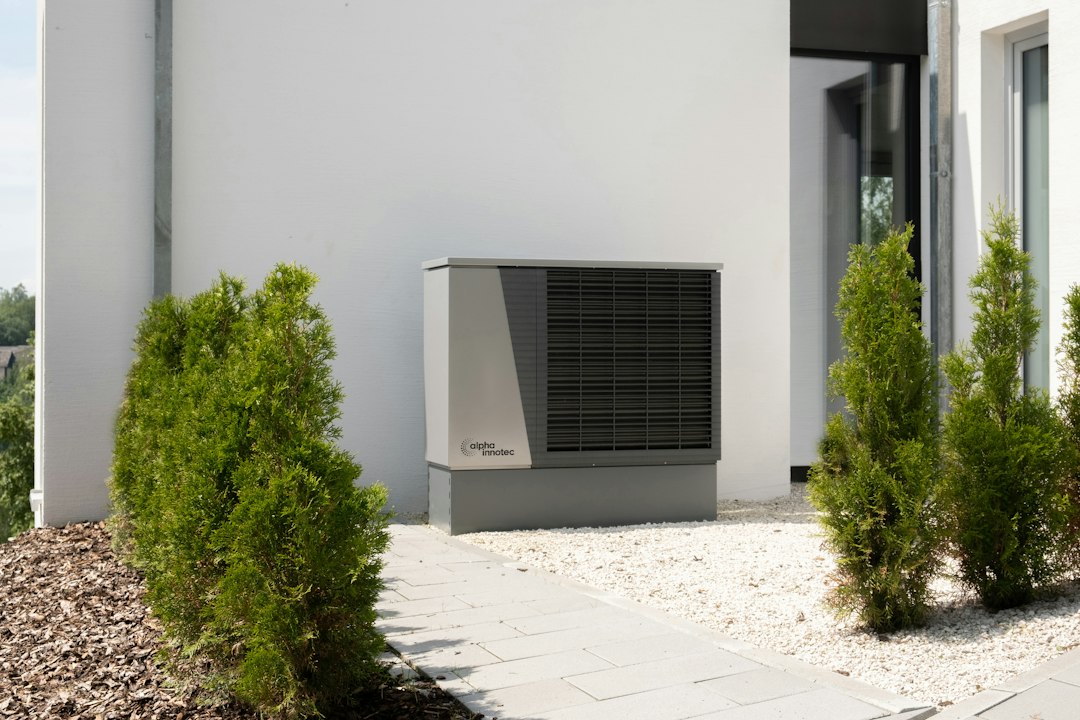
Seeing frost or steam around an outdoor heat-pump unit can look alarming, especially the first winter after installation. Some of that behavior is part of normal operation. The key is whether the system clears the frost and returns to normal heating.
Why Frost Forms on the Outdoor Coil
In heating mode, the outdoor coil runs cold. When outdoor air contains enough moisture, that moisture can condense and freeze on the coil. A light frost layer under the right weather conditions is therefore not automatically a defect.
What a Defrost Cycle Does
Heat pumps are designed to remove accumulated frost. During defrost, the system temporarily changes operation to warm the outdoor coil and melt ice. You may see water draining from the unit, hear a change in sound or notice a short plume of vapor. Those signs can be normal.
ENERGY STAR also notes that outdoor units should be kept clear of snow, leaves and other debris so air can move freely.
Normal Frost vs. a Real Ice Problem
We would be less concerned about a thin frost layer that appears in damp, cold conditions and disappears after a defrost cycle. We would pay more attention when the coil remains encased in ice, the fan cannot move air freely, the unit repeatedly shuts down, the home loses heat, or ice builds around the cabinet and never clears.
Check the Simple Things From the Ground
- Make sure leaves, snow and debris are not packed against the outdoor unit.
- Check the indoor filter and replace or clean it if it is dirty.
- Confirm the thermostat is in the intended heating mode.
- Look for roof runoff or drainage that repeatedly dumps water onto the unit.
Do not chip ice from the coil with tools or pour boiling water over equipment. That can damage fins, tubing or electrical components.
When to Call an HVAC Professional
Persistent ice can be linked to airflow, controls, sensors, refrigerant conditions, fan operation or drainage. Those are diagnostic issues rather than safe homeowner adjustments.
Our Practical Take
Judge the pattern, not one snapshot. A frosty coil that later clears may be doing exactly what it was designed to do. A unit that stays iced over, stops heating properly or repeatedly develops the same problem needs a service call.
Related Reading
Read our guide to heat-pump sizing, build a smarter thermostat schedule, or browse the full HVAC resource hub.
Sources
ENERGY STAR — Air-Source Heat Pumps
ENERGY STAR — Ductless Heating & Cooling
Get Free Daily Home Tips & Updates
Practical maintenance, repair, renovation and buying guidance from Best of Artisans.