 Best of Artisans
MERV Ratings Explained: How High Should You Go for a Home HVAC Filter?
A higher MERV number is not automatically better for every HVAC system. Here is how to balance particle filtration, airflow and equipment limits before choosing a filter.
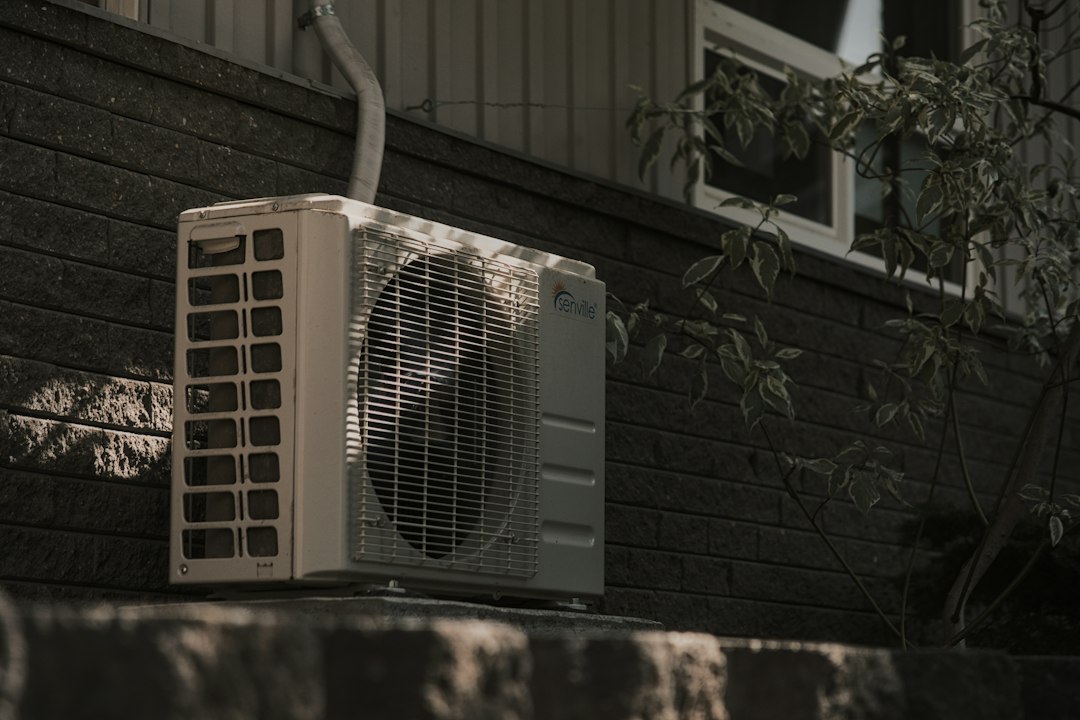
Air-filter shopping can look simple until you see MERV ratings ranging from basic filters to much denser media. The instinct is often to buy the highest number available, but a home HVAC filter has two jobs at once: capture particles and allow the system to move enough air.
What MERV Actually Measures
MERV stands for Minimum Efficiency Reporting Value. It is a rating system used to describe how effectively a filter captures particles in different size ranges. In general, a higher MERV rating means better particle capture.
That does not mean every furnace or air handler should use the highest-MERV filter that fits the slot. Filter depth, blower capability, duct design and the amount of dust loading all affect how much resistance the system sees.
Why Airflow Matters
ENERGY STAR advises homeowners to inspect, clean or change HVAC filters regularly because a dirty filter can make heating and cooling equipment work harder and can contribute to premature equipment problems. A restrictive filter can create a similar airflow concern if the system was not designed for it.
If airflow falls too far, you may notice weak air at the registers, longer run times, uneven comfort or, in some systems, icing or overheating problems.
Start With the Equipment Guidance
Before changing filter type, look at the furnace, air-handler or heat-pump manual and the size already installed. If the manufacturer specifies a filter range, treat that as the starting point rather than choosing by marketing claims alone.
Thicker media filters can sometimes provide better filtration with less resistance than a thin, densely packed filter because they have more surface area. But the cabinet must be designed to accept them.
When a Higher MERV Rating Can Make Sense
A better filter may be useful when your system supports it and your household wants improved particle control. Homes with pets, visible dust, outdoor smoke exposure or other particle concerns may benefit from stronger filtration as part of a broader indoor-air strategy.
Filtration is not a substitute for source control or ventilation, and a filter cannot solve every indoor-air problem.
Do Not Ignore Filter Condition
Even a correctly selected filter becomes more restrictive as it loads with dust. ENERGY STAR recommends checking central HVAC filters monthly and cleaning or replacing them when dirty. The actual replacement interval varies with filter type, system use, pets and household conditions.
Our Practical Take
We would not buy a filter based only on the highest MERV number on the shelf. First confirm the correct size and what the equipment can support. Then choose a reasonable filtration level and check the filter regularly. If moving to a denser filter noticeably reduces airflow, ask an HVAC professional to measure system static pressure rather than guessing.
Related Reading
Explore our HVAC guides, read why heat-pump sizing matters, and see our guide to 2026 HVAC refrigerant rules.
Sources
ENERGY STAR — HVAC Maintenance Checklist
U.S. EPA — Air Cleaners and Air Filters in the Home
Get Free Daily Home Tips & Updates
Practical maintenance, repair, renovation and buying guidance from Best of Artisans.