Do 2026 Refrigerant Rules Mean You Need a New HVAC System?
The 2026 refrigerant changes do not automatically require a new HVAC system. Here is what the rules mean for R-410A repairs, replacements, and new equipment.

Refrigerant rules have changed significantly in the United States, and the transition has created plenty of confusing advice. One of the most common claims is that anyone with an older R-410A air conditioner now needs to replace it.
That is not what the rules say.
The federal transition mainly changes what manufacturers can produce for new systems and what equipment can be used when installing a new HVAC system. Existing equipment can continue operating and can generally be serviced during its useful life. EPA also changed part of the transition rule again in May 2026.
Quick takeaway: A working R-410A air conditioner did not become obsolete overnight in 2026. Keep maintaining it. If it fails, find out whether you need a repair, a major component, or a genuinely new system before assuming replacement is mandatory.
What Is the Refrigerant Transition About?
For years, R-410A has been one of the most common refrigerants in residential air-conditioning and heat-pump systems.
R-410A is an HFC refrigerant blend with a relatively high global warming potential. Under the federal AIM Act, EPA has been reducing the use of higher-GWP HFCs in several industries.
For new stationary residential and light-commercial air-conditioning and heat-pump equipment, the Technology Transitions program set a GWP limit of 700. That pushed manufacturers toward lower-GWP alternatives and redesigned equipment.
R-32 and R-454B are among the refrigerants approved for certain new residential and light-commercial equipment, subject to applicable safety and equipment requirements.
The important word is new.
Your Existing R-410A System Is Not Banned
If an existing air conditioner or heat pump uses R-410A, you are not required to remove it simply because the refrigerant rules changed.
EPA guidance allows existing systems to continue being maintained and repaired. R-410A components can also continue to be produced for servicing legacy equipment, subject to the applicable labeling and transition requirements.
So if your older air conditioner is cooling properly, the refrigerant transition by itself is not a reason to replace it.
Normal decisions still matter more: condition, efficiency, repair history, comfort, operating cost, and whether replacement parts remain practical.
A May 2026 Rule Changed the Sell-Through Situation
This is where older explanations of the refrigerant rules can be misleading.
Earlier transition rules included a January 1, 2026 installation deadline for certain higher-GWP residential systems. EPA reconsidered that provision.
In May 2026, the agency finalized a rule allowing residential and light-commercial air-conditioning and heat-pump equipment manufactured in the United States or imported before January 1, 2025 to continue being installed after the earlier deadline.
In practical terms, qualifying pre-2025 inventory can continue to be installed while that inventory remains available.
That does not restart mass production of new R-410A systems. Manufacturing and import restrictions introduced for the transition still matter. It simply means the 2026 situation is more flexible than the claim that R-410A systems can no longer be installed under any circumstances.
What If Your Existing System Breaks?
Start with the diagnosis, not the refrigerant label.
A failed capacitor, control board, fan motor, sensor, or another repairable component is very different from a failed compressor or multiple major problems in an aging system.
EPA guidance also allows components intended to service legacy R-410A equipment to remain available. That means “your system uses R-410A” is not, by itself, an adequate explanation for why a complete replacement is necessary.
Ask the technician what failed, what repair is proposed, and what the repair would cost. Then compare that with the age and overall condition of the system.
Repair and Replacement Are Two Different Decisions
Imagine two systems.
The first is seven years old, has been reliable, and needs one reasonable repair. The second is 17 years old, has had repeated service calls, struggles to keep the building comfortable, and now needs an expensive major component.
Both may use an older refrigerant. But the replacement decision is much stronger in the second situation for reasons that have little to do with a regulatory deadline.
A useful HVAC decision should consider:
- Equipment age
- Repair cost
- Frequency of previous repairs
- Current efficiency
- Comfort problems
- Ductwork condition
- Expected time you will remain in the property
- Availability of compatible parts
- Warranty coverage
- Total installed cost of a replacement system
That is much more informative than replacing equipment only because a new refrigerant has entered the market.
Can an Old System Simply Be Converted to a New Refrigerant?
Usually, this is not a simple refrigerant swap.
HVAC equipment is engineered for specific refrigerants, pressures, lubricants, controls, components, and safety requirements. Some newer lower-GWP refrigerants have characteristics that require equipment specifically designed and approved for them.
Do not assume a technician can simply remove R-410A and refill the same system with R-454B or R-32. If someone proposes a refrigerant conversion, ask for the equipment manufacturer’s written guidance and confirmation that the conversion is approved for that specific model.
If You Are Buying a New System, Ask Better Questions
What refrigerant does this system use?
Know what you are purchasing and whether the equipment is current-generation or qualifying older inventory.
Is the indoor equipment properly matched to the outdoor unit?
System performance depends on the equipment working as a matched combination.
What efficiency rating am I actually getting?
Compare complete system ratings rather than assuming a newer refrigerant automatically means lower energy bills.
What changes are required for installation?
New equipment may involve electrical, drain, line-set, thermostat, or other installation considerations.
Who can service it locally?
A technically impressive system is less attractive if qualified local service and parts are difficult to obtain.
What is covered by the warranty?
Separate parts, labor, and refrigerant coverage in your comparison.
Do Not Let the Rule Create an Artificial Emergency
The biggest practical risk for consumers is making a rushed decision because the transition sounds like a deadline for every existing system.
There may be good reasons to replace an older HVAC system in 2026. A failing compressor, repeated repairs, poor efficiency, major comfort problems, or the opportunity to switch to a better heat-pump system can all make replacement sensible.
But a functioning R-410A system does not need to be discarded only because federal refrigerant policy changed.
The Bottom Line
The 2026 refrigerant transition affects the HVAC market, but it does not require everyone with older equipment to buy a new system.
Existing systems can continue operating and can be serviced. EPA’s May 2026 rule also allows qualifying pre-2025 inventory to continue being installed.
If your system has a problem, get a specific diagnosis first. Then make the repair-or-replace decision based on the actual equipment—not a misunderstood date on the calendar.
Source: U.S. Environmental Protection Agency — Technology Transitions.
Related Articles
-
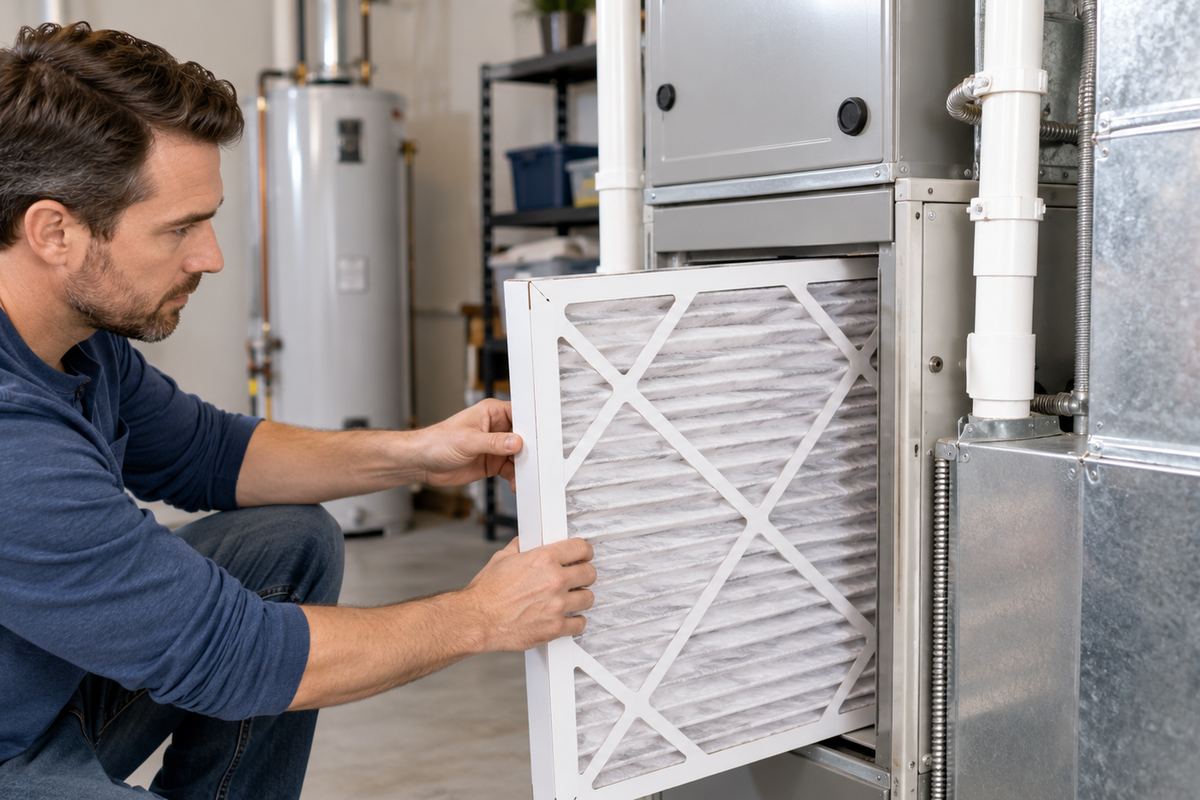
How Often Should You Replace Your HVAC Filter?
Learn what affects HVAC filter replacement timing and how to build a schedule that fits your home.
-

HVAC Repair or Replace? Questions to Ask Before Deciding
A homeowner-friendly framework for comparing a major HVAC repair with replacement.
-
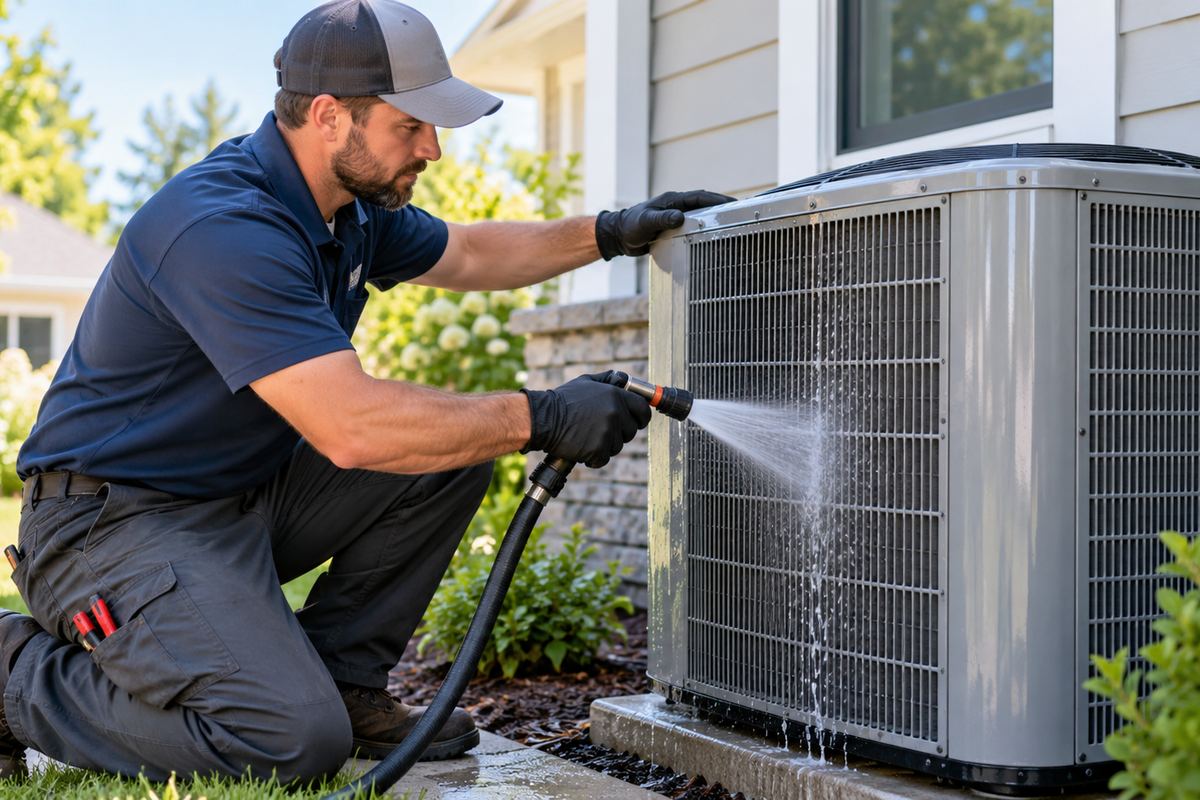
A Simple HVAC Maintenance Checklist for Every Season
Straightforward HVAC maintenance reminders homeowners can use throughout the year.
Get Smarter About Your Home
Free home improvement tips, useful updates, cost guides and savings ideas.