Fall Home Maintenance Checklist: What to Do Before the First Freeze
Prepare for colder weather with a practical fall maintenance checklist covering plumbing, gutters, heating, roofing, drafts, drainage, and safety alarms.
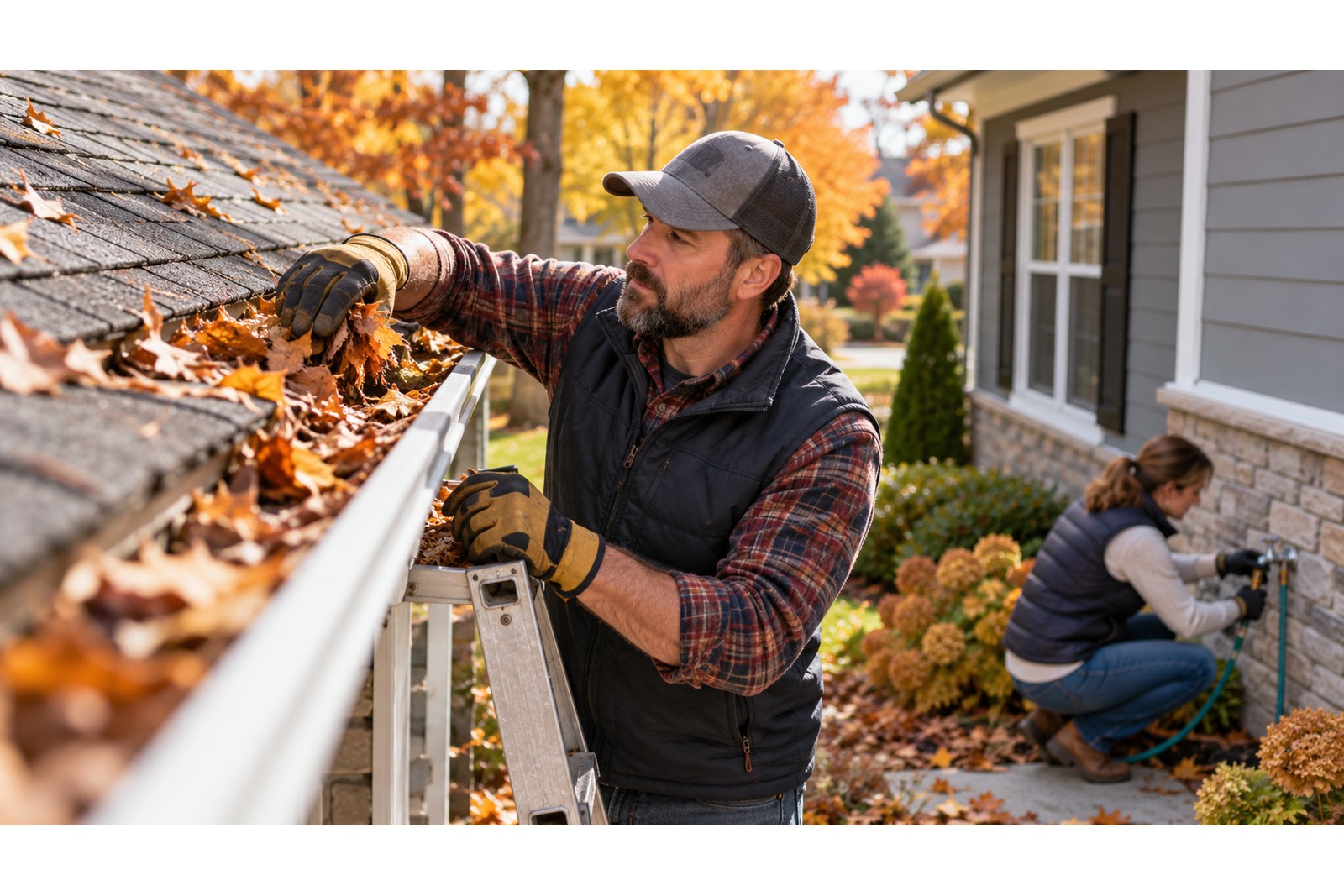
The first hard freeze has a way of revealing problems at the least convenient time: a hose bib that was never drained, a furnace that has not run properly in months, a draft around a door, or a gutter that sends water exactly where you do not want it.
Fall maintenance is easier when it is treated as a short inspection instead of an enormous seasonal project.
Focus first on anything that can be damaged by freezing water, anything you will depend on for heat, and anything that keeps rain or melting snow away from the building.
Quick takeaway: Before freezing weather arrives, disconnect outdoor hoses, check vulnerable plumbing, make sure the heating system runs correctly, clear drainage paths, look for exterior damage, seal obvious drafts, and test smoke and carbon-monoxide alarms.
Start With Water Because Freezing Changes the Stakes
Water expands when it freezes. Inside a vulnerable pipe, that expansion can create enough pressure to damage the plumbing.
Outdoor hose connections, irrigation lines, and pipes in garages, crawl spaces, basements, attics, and other unheated areas deserve particular attention.
Before cold weather settles in:
- Remove garden hoses from outdoor faucets
- Drain and store the hoses
- Winterize irrigation or sprinkler systems according to their instructions
- Inspect visible pipes in unheated areas
- Find the main water shutoff and make sure you know how to use it
- Follow the correct procedure for any dedicated interior shutoff serving an outdoor faucet
Do not improvise with automotive antifreeze in plumbing or irrigation lines. Follow the equipment manufacturer’s or a qualified professional’s winterization procedure.
Give Gutters and Downspouts a Clear Path
Fall leaves look harmless until they create a dam inside a gutter.
Walk around the building during or after rain and watch where the water goes. It should move through the gutters, into the downspouts, and away from the foundation.
Look for overflowing sections, loose downspouts, sagging gutters, and discharge points that create puddles next to the structure.
If cleaning requires working from a ladder or roof and you are not comfortable doing it safely, use a professional service. The goal is clear drainage, not taking an unnecessary fall risk.
Look at the Roof Without Walking on It
A ground-level roof check can reveal more than people expect.
Use the yard, driveway, upper-floor windows, or another safe location to look for missing roofing, visibly lifted sections, damaged flashing, loose trim, or branches resting on the roof.
You are looking for changes, not trying to conduct a professional inspection from a distance.
Check ceilings and attic areas too. A new stain, damp area, or musty smell after rain may be more important than a minor cosmetic issue visible outside.
If something appears different after a storm, document it with a photo and arrange a closer inspection if necessary.
Run the Heating System Before You Truly Need It
The worst time to discover that the heating system has a problem is the first very cold night.
Turn the system on early enough in the season to confirm that it starts, runs, and heats normally.
For forced-air equipment, inspect the filter and replace it if needed. Make sure return-air grilles and supply registers are not blocked by furniture, rugs, boxes, or other stored items.
If the furnace or heat pump is due for professional service, scheduling it before prolonged cold weather gives you a better chance of addressing problems before the system is working continuously.
People living in rental properties should report heating problems early rather than waiting until the unit stops completely.
Check the Building for Simple Drafts
You do not have to replace every older window to make a room feel less drafty.
Inspect weatherstripping around doors and operable windows. Look for deteriorated exterior caulk, visible gaps, and door sweeps that no longer make good contact.
Use caulk for stationary cracks and joints where appropriate. Use weatherstripping around components that open and close.
If the windows themselves are in good condition, these smaller repairs may solve the actual problem at a fraction of the disruption of replacement.
Do a Five-Minute Exterior Walkaround
The purpose of this check is to notice problems before rain, snow, and freeze-thaw cycles make them harder to handle.
Walk around the building and look at:
- Siding or exterior finishes
- Damaged trim
- Exterior vents
- Steps and handrails
- Walkways
- Exterior lighting
- Foundation areas
- Trees and branches near the building
- Drainage grates
- Basement window wells
Remove leaves and debris that block drains or vents. If tree limbs appear unstable or are contacting the roof or electrical lines, use the appropriate qualified professional rather than attempting hazardous trimming yourself.
Test Smoke and Carbon-Monoxide Alarms
Heating season is a useful reminder to check safety devices, although alarms should be tested regularly throughout the year.
The U.S. Consumer Product Safety Commission recommends smoke alarms on every level and inside bedrooms, with carbon-monoxide alarms on every level and outside sleeping areas. Follow the manufacturer’s replacement schedule and battery instructions for your specific alarm.
Do not ignore a chirping or malfunctioning detector simply because the heating system seems to be operating normally.
Prepare Fireplaces and Portable Heating Equipment
If a fireplace has not been used since last winter, check whether it is due for inspection or cleaning before starting the season.
Keep combustible materials away from heaters and fireplaces. For portable space heaters, maintain at least three feet of clearance from items that can burn and plug electric heaters directly into a wall outlet rather than a power strip.
Never use an oven or outdoor grill as a substitute for a home heating system.
Check the Small Things You Will Want During Bad Weather
Seasonal preparation is not only about the building itself.
Check exterior light bulbs before the evenings get shorter. Make sure flashlights work. Replace worn entry mats before wet weather makes them slippery.
If winter storms are common where you live, keep appropriate snow or ice supplies accessible rather than buried behind summer equipment.
People responsible for several properties can create a simple one-page checklist and record the date each location was inspected.
What Renters Can Do
Renters do not need to take responsibility for every building system to benefit from a fall check.
- Report visible leaks or damaged roofing
- Disconnect a personal outdoor hose if permitted
- Keep heating vents clear
- Identify drafts
- Test alarms according to the lease and local rules
- Report heating problems early
- Know where building emergency contacts are kept
Structural, roof, electrical, gas, and major plumbing work should be handled by the property owner or the appropriate professional.
The Bottom Line
Fall maintenance works best when it is done before the weather creates urgency.
Start with water and freezing risk. Then make sure the heating system is ready, rain can drain away from the building, obvious drafts are sealed, and safety alarms are working.
You do not need to fix every cosmetic issue before winter. The useful goal is simpler: find the problems that cold, water, and heating season are most likely to make worse—and deal with those first.
Sources: American Red Cross frozen-pipe guidance and U.S. CPSC carbon-monoxide guidance.
Get Smarter About Your Home
Free home improvement tips, useful updates, cost guides and savings ideas.