
Water on the Window Sill After Rain? 6 Places to Check
Water on a window sill after rain is not always condensation. Check exterior caulk, flashing, drainage paths and the window opening before damage spreads.

Water on a window sill after rain is not always condensation. Check exterior caulk, flashing, drainage paths and the window opening before damage spreads.
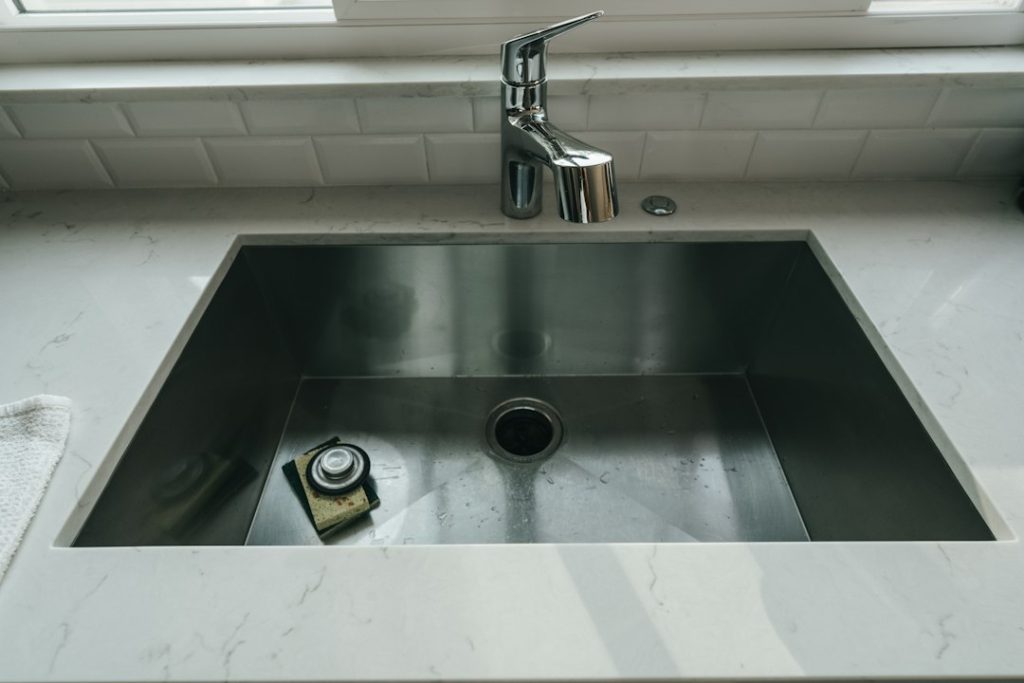
A damp cabinet can come from the faucet supply lines, drain connections, garbage disposal, dishwasher hose or even water running across the countertop.

Outdoor faucets and connected hoses are easy to forget before the first freeze. A few simple checks can reduce the chance of a cold-weather leak.
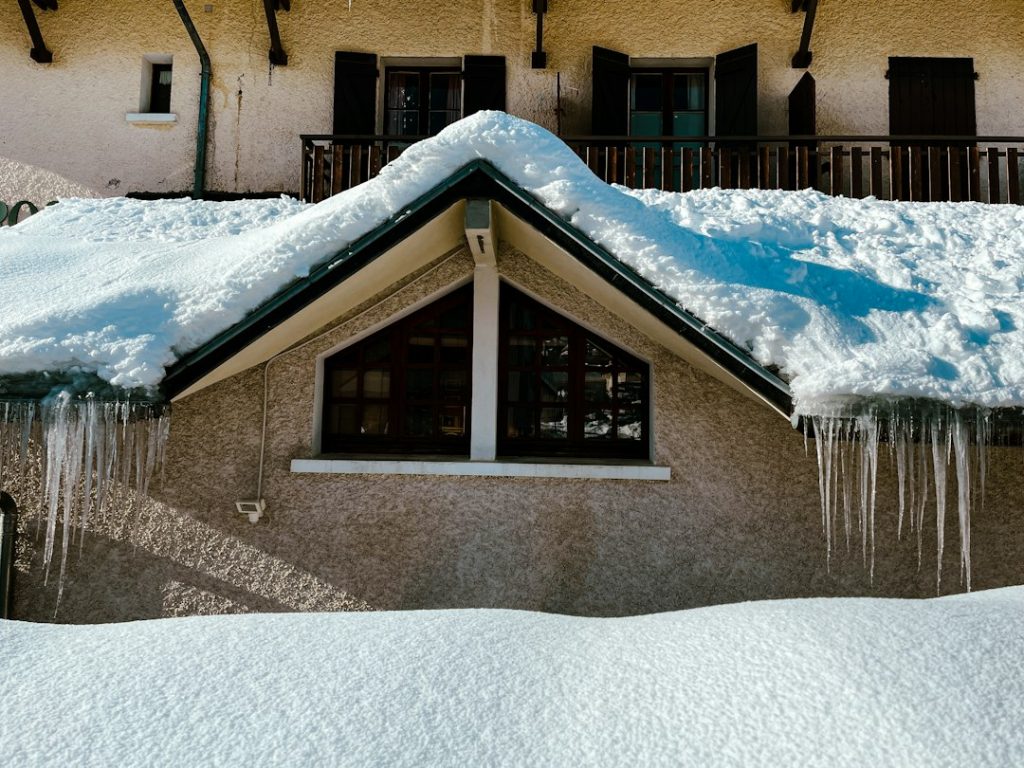
Ventilation and air sealing solve different problems. Understanding the difference can help homeowners avoid trying to fix attic moisture or winter roof issues with vents alone.

Ice dams are not just a gutter problem. Heat escaping into the attic can melt roof snow, which refreezes at colder roof edges and can push water where it does not belong.
If the heating system runs for long stretches but the house stays below the thermostat setting, check airflow, filter condition, thermostat setup and obvious heat loss first.

Dry winter air can feel uncomfortable, but adding too much moisture can create condensation and mold risk. A simple humidity gauge can help you find the balance.

A single cold room does not always mean the furnace is failing. Start with vents, returns, doors, windows and airflow before assuming the worst.

Installing a furnace or HVAC filter backward is an easy mistake. Here is how to identify the airflow direction before you slide a new filter into place.
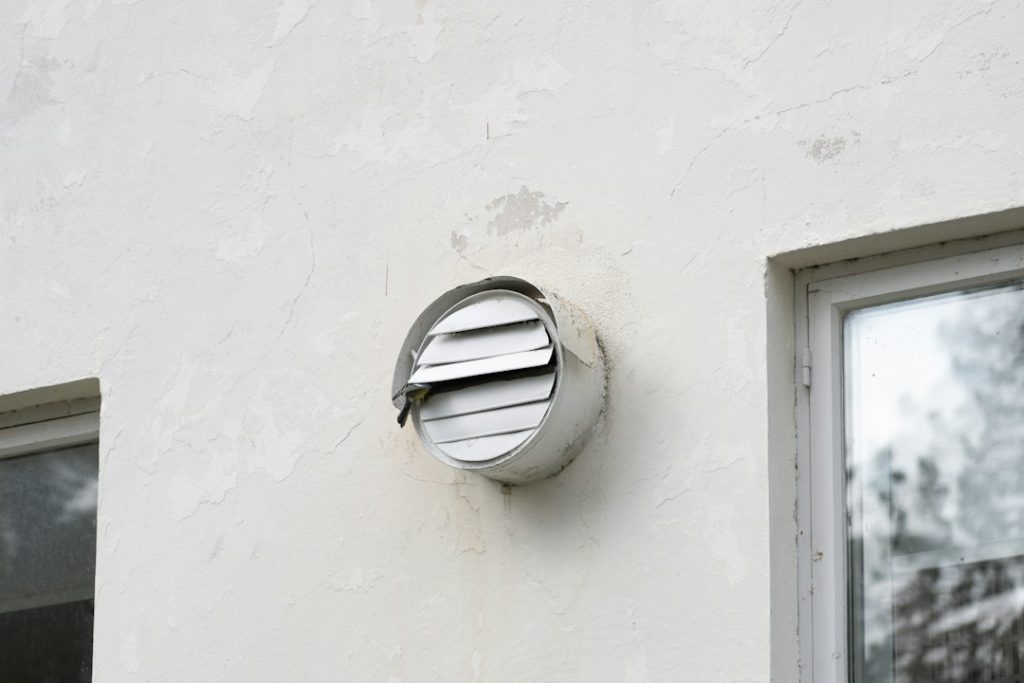
Long drying times, excessive heat and lint around the outside vent can all point to restricted dryer airflow. Regular maintenance helps reduce fire risk.