 Best of Artisans
Indoor Humidity in Winter: When a Humidifier Helps—and When It Can Cause Problems
Dry winter air can feel uncomfortable, but adding too much moisture can create condensation and mold risk. A simple humidity gauge can help you find the balance.
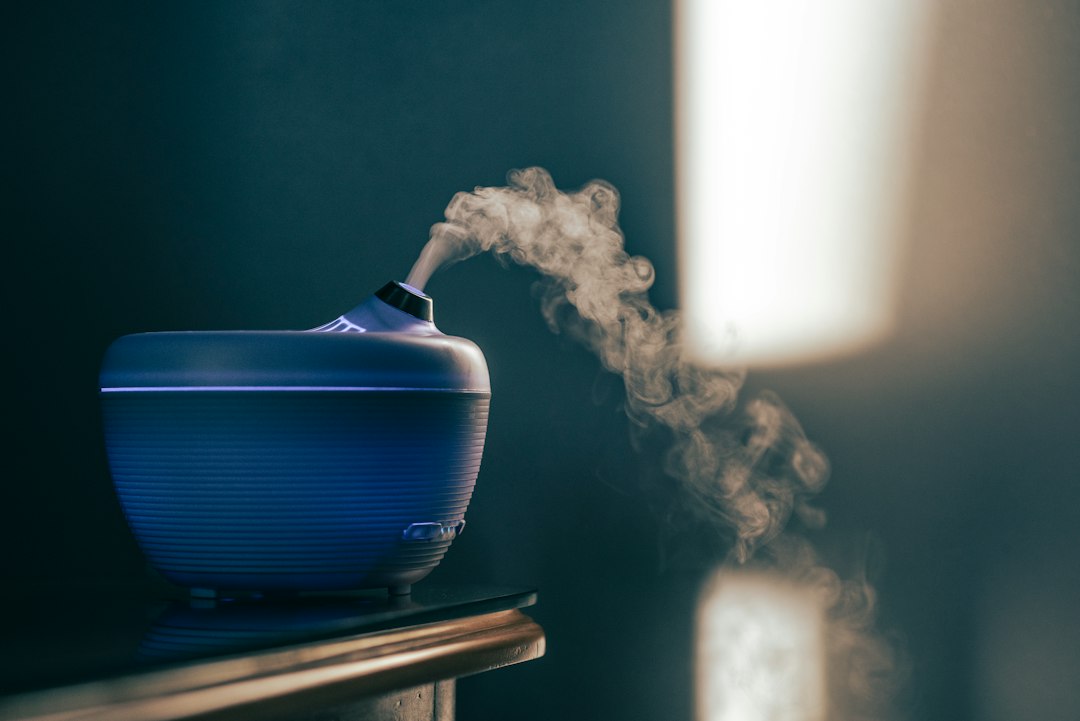
Heating season often makes indoor air feel dry. That can lead homeowners to run a humidifier continuously, but more moisture is not always better.
Start With a Hygrometer
A small humidity gauge is inexpensive and gives you a better answer than guessing based on how the air feels. Measure in more than one room if your home has noticeable differences.
Signs the Air May Be Too Dry
Static electricity, dry skin and a dry throat can be clues, although they are not precise measurements. A humidifier may improve comfort when measured humidity is low.
Signs You May Be Adding Too Much Moisture
Condensation on windows, damp window sills, musty smells or moisture on cold exterior walls are warning signs. Reduce added humidity and investigate ventilation or air-leakage problems if condensation persists.
Humidifier Maintenance Matters
Portable and whole-home humidifiers need regular cleaning and maintenance. Follow the manufacturer’s instructions, because standing water and mineral buildup can create their own indoor-air issues.
Cold Weather Changes the Balance
When outdoor temperatures fall, the inside surface of windows and exterior walls becomes colder. Humidity that caused no visible problem in mild weather may condense on those surfaces during a cold snap.
Our Practical Take
Use a hygrometer and let the house tell you what is happening. If windows begin collecting water, reduce humidity rather than trying to maintain a fixed number at all costs.
Related Reading
Read our window comfort guide, attic moisture checklist, and more HVAC resources.
Source
Get Free Daily Home Tips & Updates
Practical maintenance, repair, renovation and buying guidance from Best of Artisans.