 Best of Artisans
One Room Colder Than the Rest? 7 HVAC and Airflow Checks to Make First
A single cold room does not always mean the furnace is failing. Start with vents, returns, doors, windows and airflow before assuming the worst.
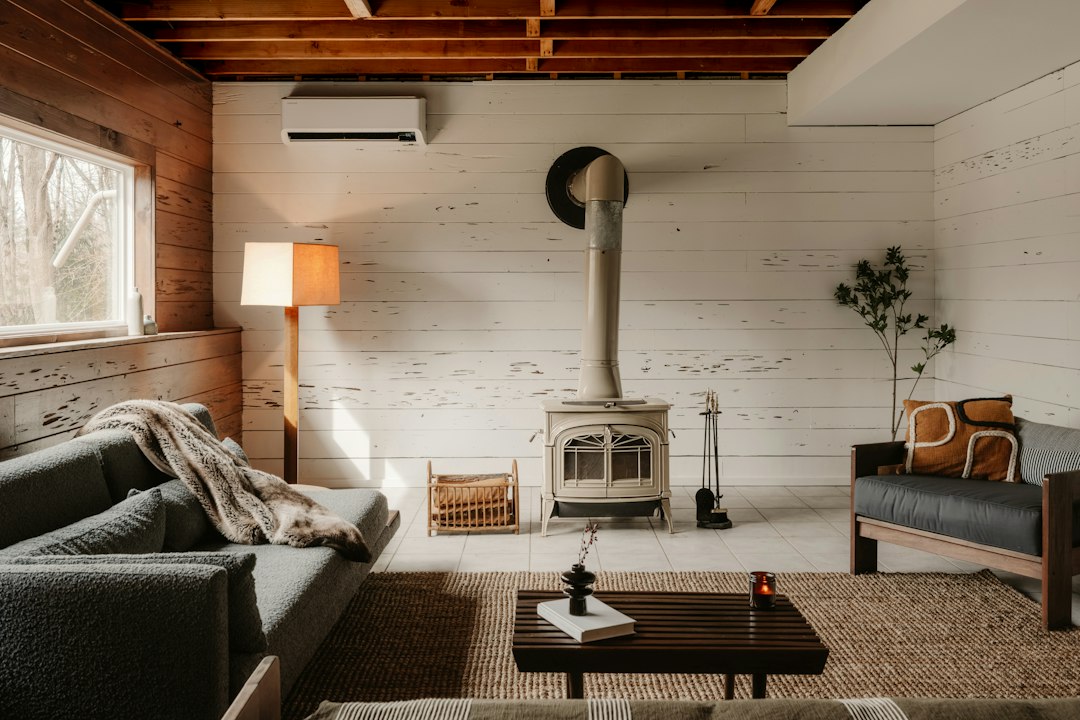
Uneven temperatures are common in multi-room homes. A bedroom over a garage, a room with several exterior walls, or a space at the end of a long duct run may behave differently from the rest of the house.
1. Confirm the Supply Vent Is Open
Furniture, rugs and storage boxes can partly block a register without anyone noticing. Make sure the damper is open and that you can feel airflow when the system runs.
2. Do Not Block the Return-Air Path
Bedrooms often become uncomfortable when a closed door limits the path back to the return grille. A clear return-air path helps the system circulate conditioned air through the whole house.
3. Check the HVAC Filter
A dirty filter can reduce total airflow. If the entire system feels weaker than usual, inspect the filter before focusing only on the cold room.
4. Look for Window and Door Drafts
Cold air leaking around a window, exterior door or attic access can make one room feel much colder even when the HVAC system is delivering normal air.
5. Compare Airflow With Nearby Rooms
If one register has much weaker airflow than similar rooms, a damper, crushed duct, disconnected duct or leakage may be involved.
6. Consider the Room’s Location
Rooms above garages, at corners of the house or with large windows often have greater heating loads. Insulation and air sealing can matter as much as duct airflow.
7. Avoid Closing Other Vents to “Push” More Air
Closing multiple supply vents can change system pressure and does not reliably solve a balancing problem.
Our Practical Take
Write down the room temperature and compare it with a nearby room while the system is running. A consistent pattern is useful information for an HVAC technician or energy auditor.
Related Reading
See our guides on closing vents, drafty windows, and duct leakage.
Source
Get Free Daily Home Tips & Updates
Practical maintenance, repair, renovation and buying guidance from Best of Artisans.