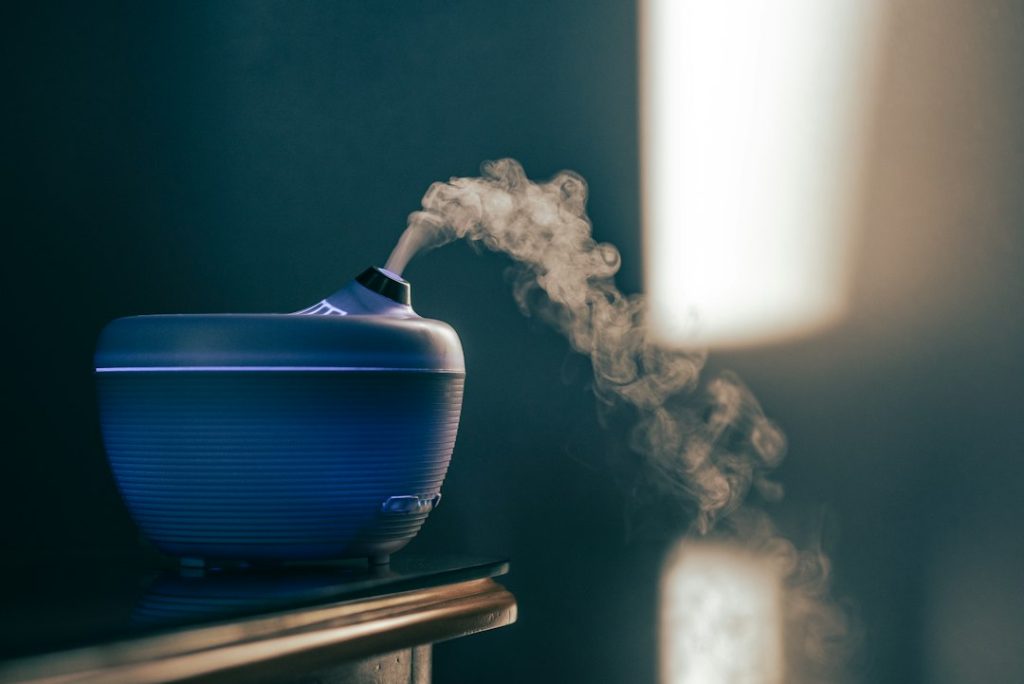
Indoor Humidity in Winter: When a Humidifier Helps—and When It Can Cause Problems
Dry winter air can feel uncomfortable, but adding too much moisture can create condensation and mold risk. A simple humidity gauge can help you find the balance.

Dry winter air can feel uncomfortable, but adding too much moisture can create condensation and mold risk. A simple humidity gauge can help you find the balance.
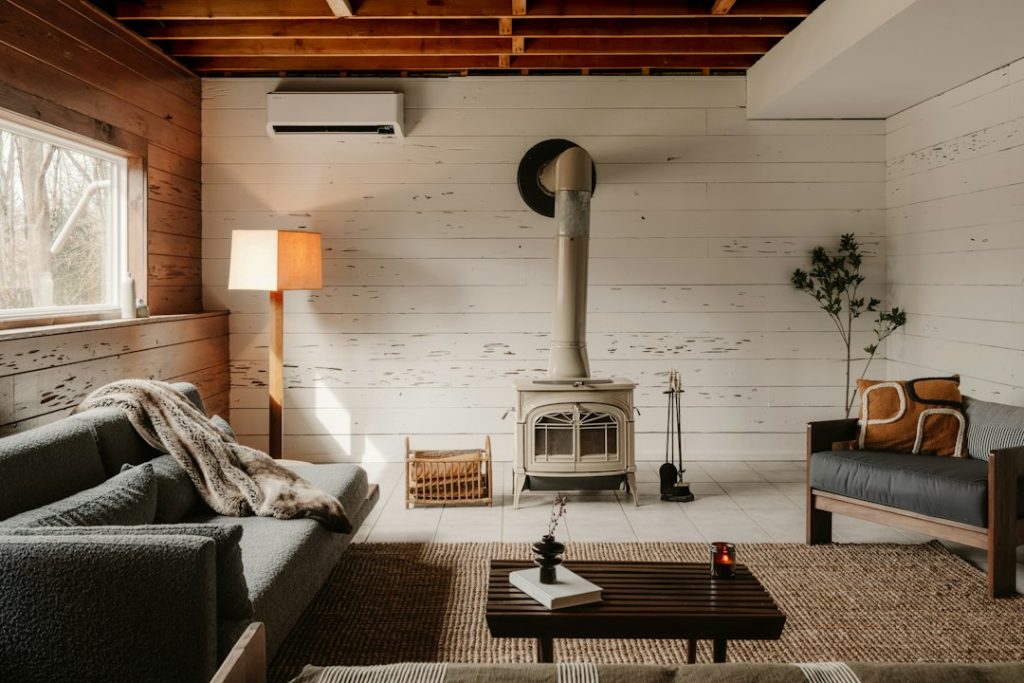
A single cold room does not always mean the furnace is failing. Start with vents, returns, doors, windows and airflow before assuming the worst.

Installing a furnace or HVAC filter backward is an easy mistake. Here is how to identify the airflow direction before you slide a new filter into place.
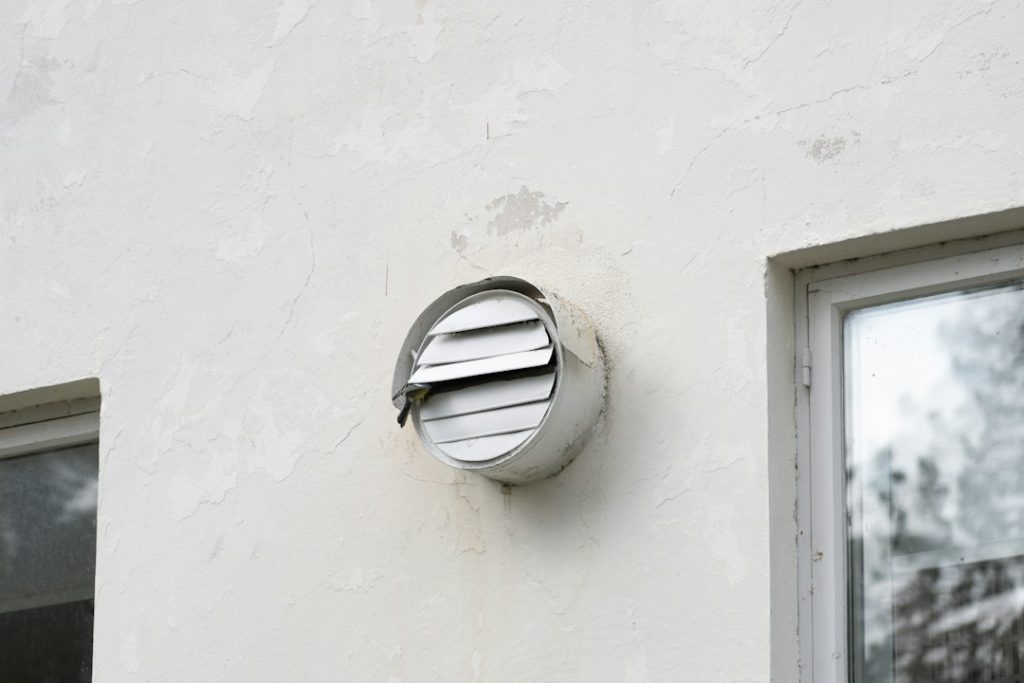
Long drying times, excessive heat and lint around the outside vent can all point to restricted dryer airflow. Regular maintenance helps reduce fire risk.
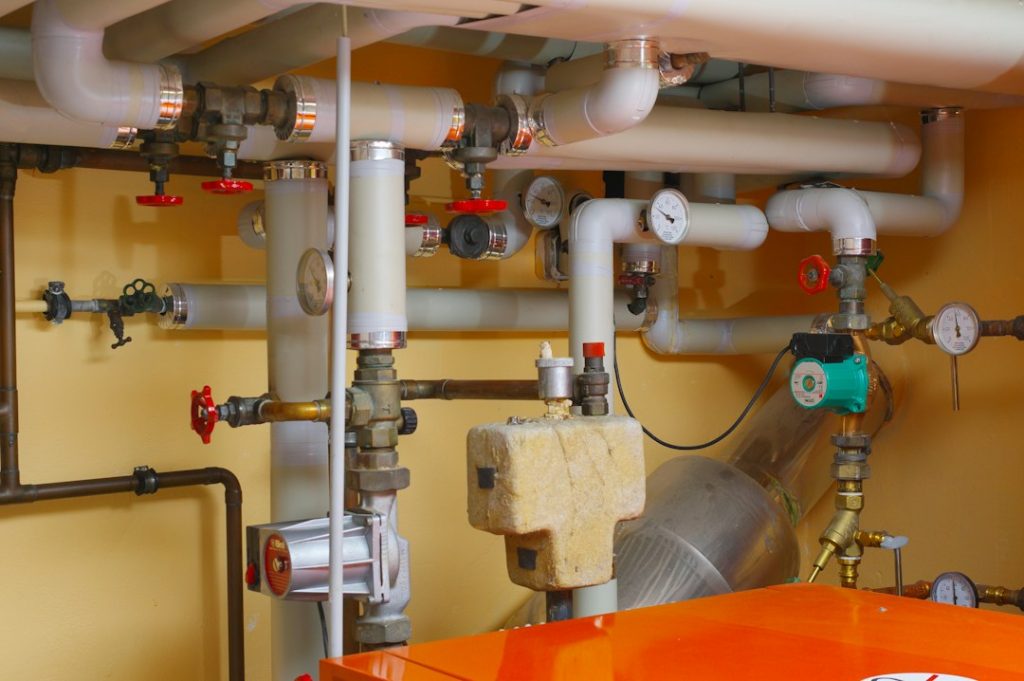
A sharp bang when a valve closes can be caused by water hammer, loose piping or pressure issues. Here is what homeowners can observe before calling a plumber.
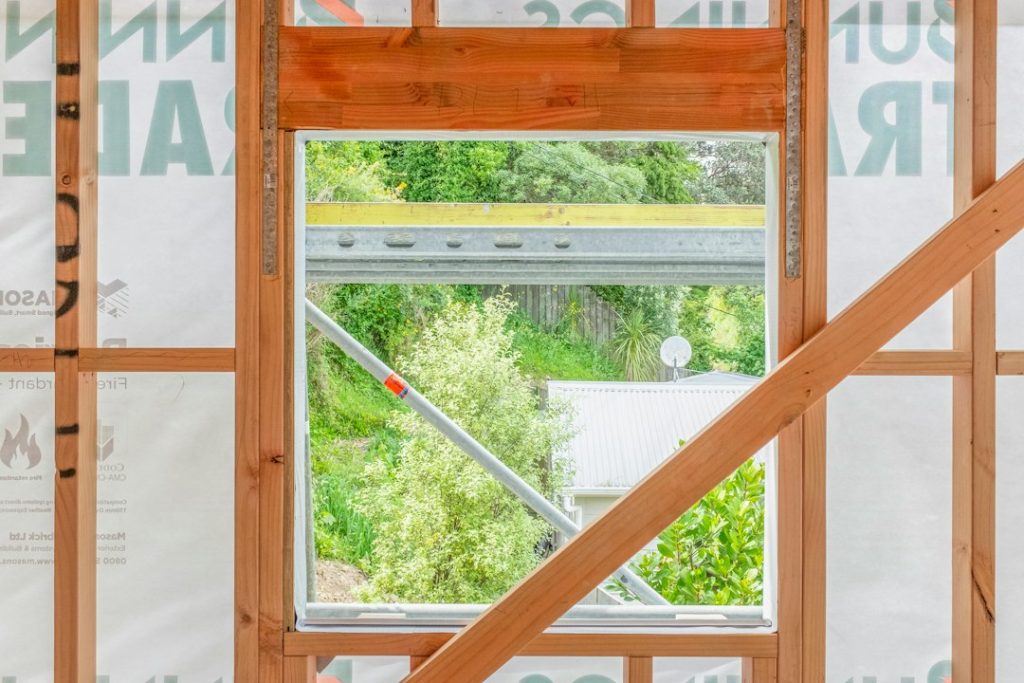
A good window is only part of a good installation. Flashing and sill details help manage water around the rough opening before it reaches the wall.

A clear payment schedule should connect money to specific project milestones. That makes it easier to track progress, changes and the remaining balance.

Renovation budgets can change when walls open up, materials change or hidden damage appears. A separate contingency helps keep surprises from derailing the project.
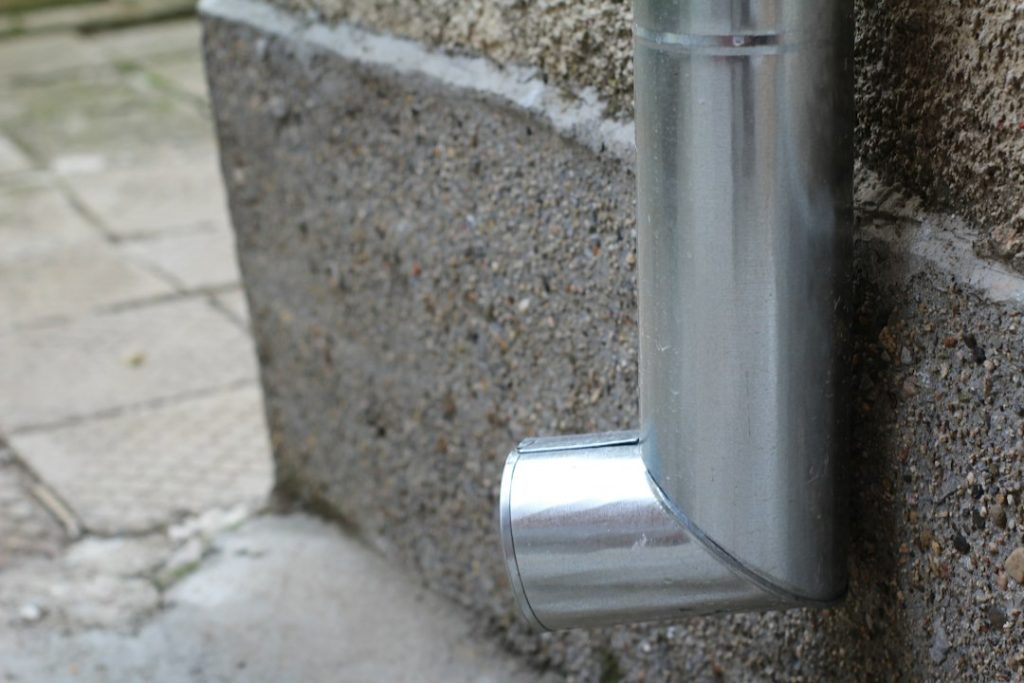
Overflowing gutters can come from clogs, poor slope, blocked downspouts or too much roof runoff entering one section. Here is what homeowners can check safely.

Roof valleys carry concentrated runoff from two roof slopes. Debris, damaged shingles and flashing problems can make this area more vulnerable to leaks.