 Best of Artisans
Renovation Dust Control: What Homeowners Should Ask Before Work Starts
Dust can spread far beyond the room being remodeled. Ask how the work area, HVAC system, walk paths and cleanup will be handled before demolition begins.
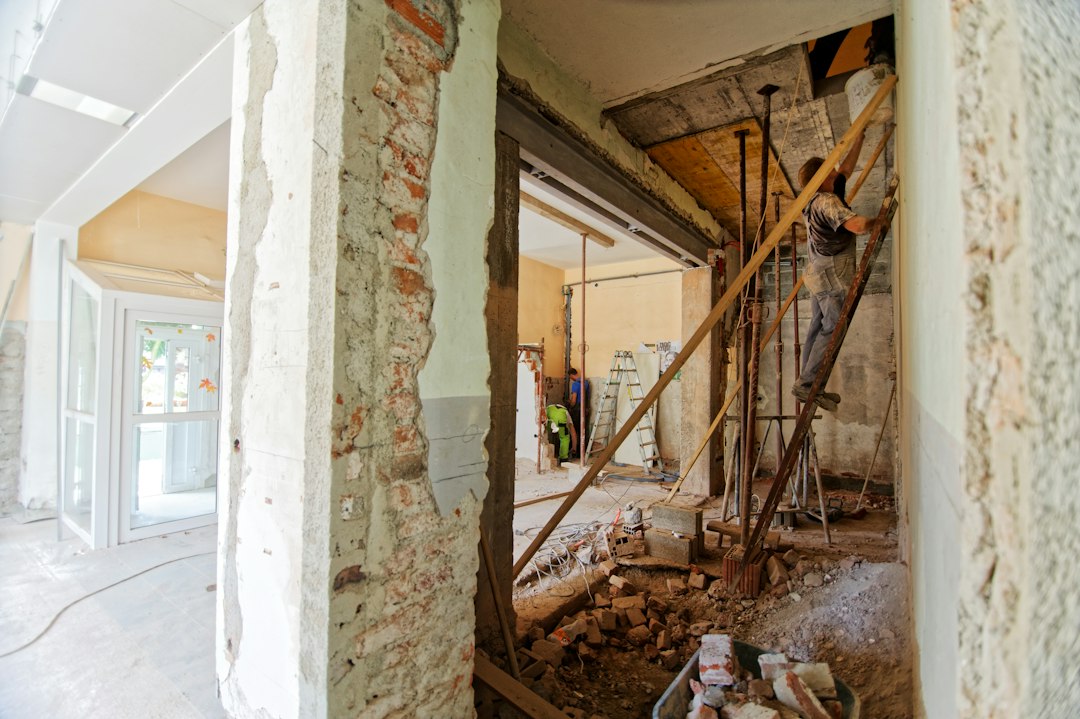
Renovation dust is more than a housekeeping issue. Demolition, sanding, cutting and drilling can move fine particles into nearby rooms, furniture and HVAC pathways if the work area is not planned carefully.
Define the Work Zone Before Demolition
Agree on which rooms, hallways and entrances belong to the construction area. Temporary barriers and controlled access can help keep debris and dust from spreading into occupied spaces.
Ask How Airflow Will Be Managed
Supply and return openings inside the work area may need protection depending on the project. The goal is to avoid using the home’s HVAC system as a pathway for construction dust while still operating equipment safely and according to manufacturer requirements.
Protect Floors and Travel Paths
Workers may carry dust through the house on shoes, tools and materials. Ask how floors, stairs and the route to the exterior will be protected and cleaned.
Control Dust at the Source
Methods vary by task, but dust collection on tools, careful cutting practices and localized containment can reduce the amount released into the room.
Plan Daily Cleanup, Not Just Final Cleanup
Debris and dust that build up over several days are easier to spread. A daily cleanup routine helps keep the work zone manageable and makes problems easier to spot.
Older Painted Surfaces Need Extra Attention
If the home was built before 1978 and painted surfaces will be disturbed, ask whether the project is covered by EPA’s Renovation, Repair and Painting requirements. Covered paid work must use certified firms and lead-safe practices.
Protect Belongings Before the Crew Arrives
Remove small items, textiles and electronics from nearby areas when practical. It is easier to prevent dust exposure than to clean fine particles from every object afterward.
Our Practical Take
Add dust control to the written project discussion before demolition. A contractor’s plan for barriers, airflow, cleanup and waste removal tells you a lot about how organized the job will be.
Related Reading
Read our lead-safe renovation guide, change-order checklist, and more Remodeling resources.
Sources
U.S. EPA — Steps to Lead-Safe Renovation, Repair and Painting
U.S. EPA — Renovation, Repair and Painting Program for Contractors
Get Free Daily Home Tips & Updates
Practical maintenance, repair, renovation and buying guidance from Best of Artisans.