 Best of Artisans
Dryer Vent Safety: 7 Signs Airflow May Be Restricted
Long drying times, excessive heat and lint around the outside vent can all point to restricted dryer airflow. Regular maintenance helps reduce fire risk.
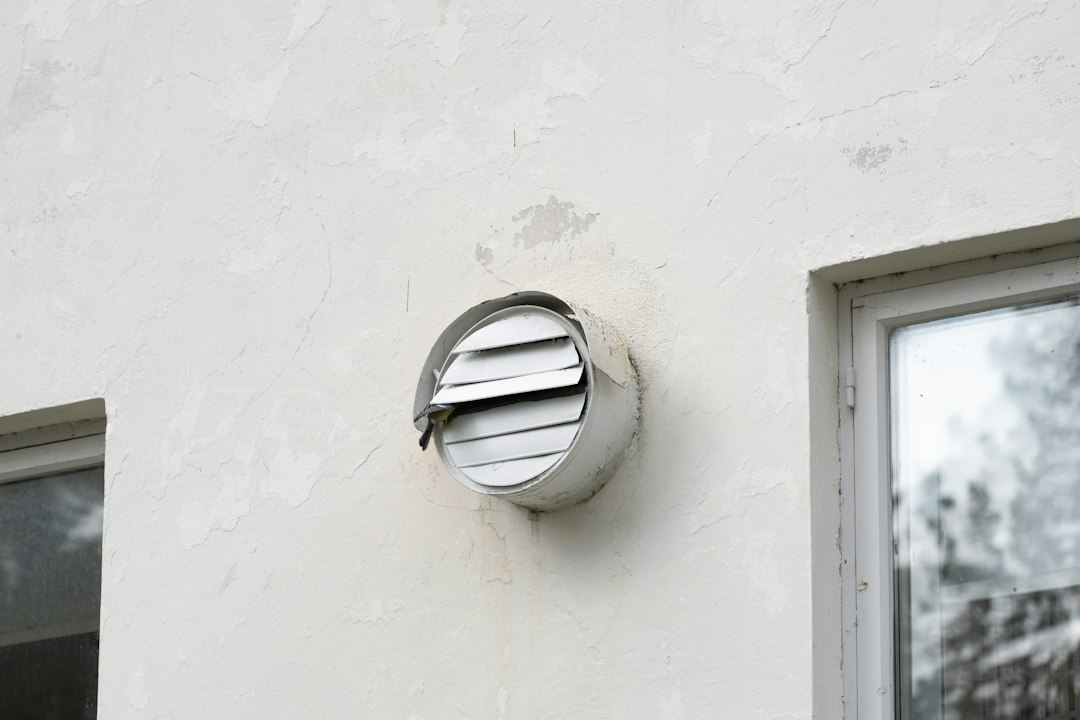
A clothes dryer needs a clear path to move hot, moist air outdoors. Lint buildup, crushed ducting or a blocked exterior hood can reduce airflow and make the dryer run hotter and longer.
1. Loads Take Longer Than They Used To
A noticeable increase in drying time is one of the easiest airflow clues. Clothing may still feel damp after a cycle that previously finished the same load.
2. The Dryer or Laundry Room Feels Excessively Hot
Restricted exhaust can trap heat around the appliance and duct system.
3. Lint Collects Around the Exterior Vent
From outside, look for lint buildup around the hood or flap. The flap should be able to open when the dryer operates.
4. The Exterior Flap Barely Moves
Weak exhaust at the termination can point to a restriction somewhere between the dryer and the outside wall.
5. Flexible Ducting Is Crushed or Kinked
Moving the dryer too close to the wall can collapse flexible transition duct and reduce airflow.
6. You Smell Overheating or Burning
Stop using the dryer if you notice a persistent burning smell, smoke or signs of overheating and have the appliance and vent system checked.
7. The Vent Has Not Been Inspected in a Long Time
The U.S. Fire Administration recommends cleaning the lint filter before and after loads and maintaining dryer exhaust systems to reduce clothes-dryer fire risk.
Our Practical Take
Dryer-vent maintenance is easy to forget because much of the duct is hidden. Use drying time as an early warning signal. If the same loads suddenly need much longer cycles, inspect the airflow path instead of simply running the dryer again.
Related Reading
Review our smoke-alarm checklist, CO alarm placement guide, and more Home & Living resources.
Source
Get Free Daily Home Tips & Updates
Practical maintenance, repair, renovation and buying guidance from Best of Artisans.