
Smoke Alarm Placement: The Spots Homes Commonly Miss
A working alarm in the hallway is not always enough. Here is a simple room-by-room check based on U.S. Fire Administration guidance.
Last updated: October 10, 2026.
Many homes have at least one smoke alarm, but placement can be inconsistent—especially after renovations, room changes or years of replacing devices one at a time.
Bedrooms Need More Than a Hallway Alarm
A closed bedroom door can slow the movement of smoke and sound. That is why guidance includes alarms inside sleeping rooms as well as outside each separate sleeping area.
Every Level Means Every Level
Basements are easy to forget, and multi-level homes can have large distances between floors. Walk through the house level by level instead of counting how many alarms you own.
High Placement Matters
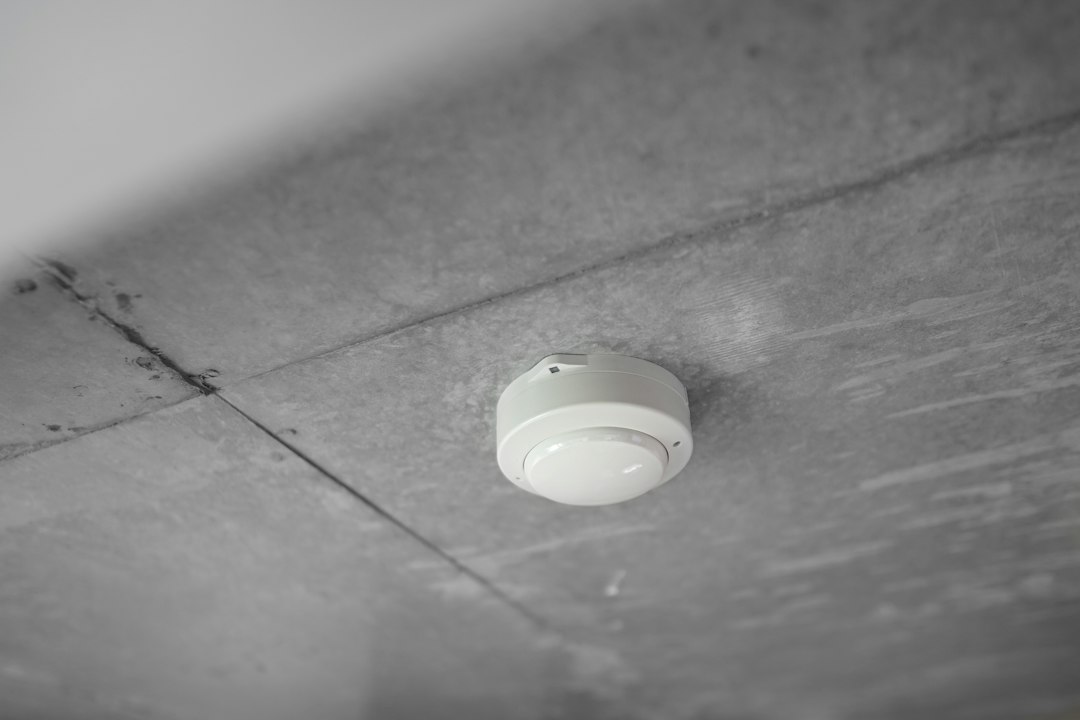
Smoke rises, so alarms are generally installed on the ceiling or high on a wall, following the manufacturer’s instructions. Hardwired units should be installed by a qualified electrician.
Interconnection Solves a Real Problem
If a fire starts far from the bedrooms, an interconnected system can sound every alarm at once. That can give sleeping occupants a stronger, earlier warning than a distant standalone unit.
Testing Is Part of Placement
An alarm in the correct spot does not help if it does not work. Testing and replacement schedules should follow the manufacturer’s instructions and local fire-code requirements.
Our Room-by-Room Check
- Inside each bedroom
- Outside each separate sleeping area
- Every level of the home
- Basement
- Correct ceiling or high-wall position
- Interconnection where possible
Related reading: Where carbon monoxide alarms should go · Fall home-maintenance checklist
The Bottom Line
Do not judge fire-safety coverage by the number of alarms in a drawer or hallway. Judge it by whether every sleeping area and every level can receive a timely warning.
Source: U.S. Fire Administration — Smoke Alarms.
Get Free Daily Tips & Updates
Practical tips, money-saving ideas, useful guides, selected deals and helpful updates.