
Build a 72-Hour Home Emergency Kit Without Overbuying
Preparedness does not require a garage full of supplies. Start with what helps a household function for several days, then add the items specific to your family.
Last updated: October 10, 2026.
Emergency-kit lists can become so long that people delay starting. We prefer the opposite approach: build a useful core kit first, then customize it around the people, pets, medications and risks in your household.
Start With the Things You Cannot Easily Improvise
Water, essential medications, lighting, basic first aid and a way to receive information matter more than buying specialized gadgets. If you already have useful items at home, move duplicates or spare supplies into one accessible location.
Food Should Be Simple, Familiar and Usable
Emergency food is not helpful if nobody wants to eat it or if it requires tools or cooking methods you will not have. Choose shelf-stable food your household already tolerates and rotate it into normal use before it expires.
Power Is Now Part of Basic Preparedness
Phones are used for alerts, maps, family communication and account access. A charged power bank and the correct cables deserve a permanent place in the kit.
Do Not Forget Information
A paper list of important phone numbers, medications, insurance contacts and meeting points can still be useful when a phone is dead or a family member is stressed.
Make the Kit Easy to Move
A heavy plastic bin can work at home, but smaller bags are easier if you need to leave quickly. FEMA also suggests considering smaller portable kits for vehicles, workplaces or other places where you spend time.
What We’d Put in the Core Kit
- Water and simple nonperishable food
- Flashlight and spare batteries
- Phone power bank and charging cables
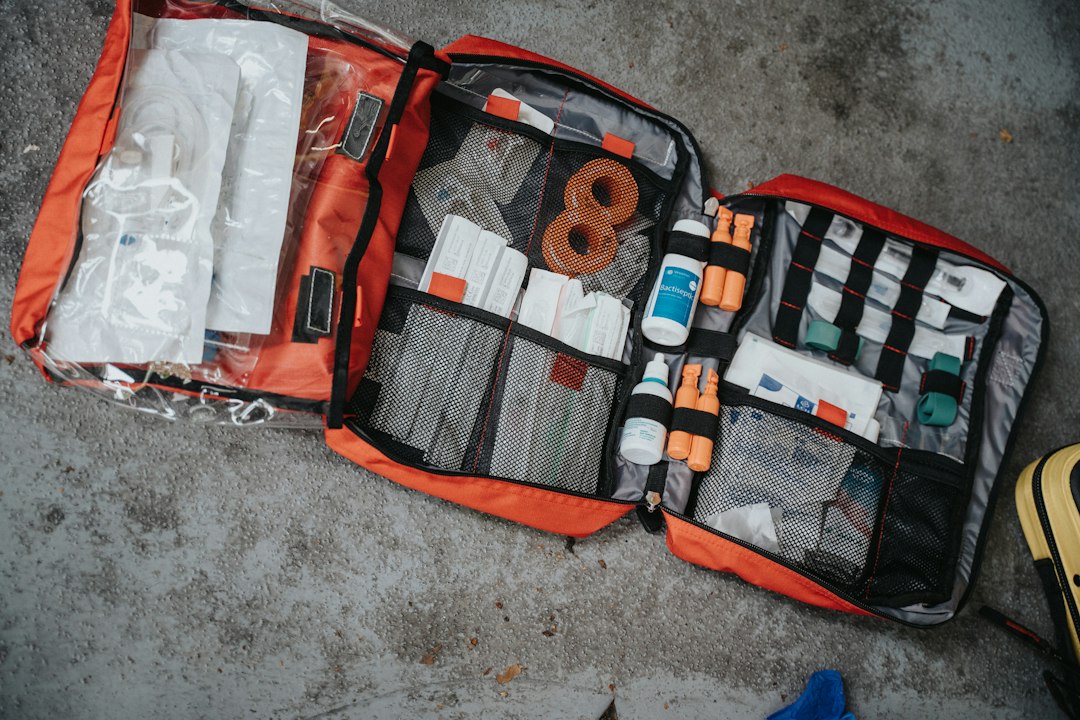
- First aid supplies
- Radio capable of receiving emergency information
- Whistle, basic tools and sanitation items
- Copies of key documents and phone numbers
- Household-specific medications, baby supplies or pet items
Related reading: Set up emergency alerts on your phone · Carbon monoxide alarm placement
The Bottom Line
Preparedness is less about buying a “perfect kit” and more about making sure your household can manage the first few days of disruption with fewer avoidable problems.
Source: FEMA Ready — Emergency Supply Kit Checklist.
Get Free Daily Tips & Updates
Practical tips, money-saving ideas, useful guides, selected deals and helpful updates.