 Best of Artisans
Banging Pipes After a Faucet Closes? It May Be Water Hammer
A sharp bang when a valve closes can be caused by water hammer, loose piping or pressure issues. Here is what homeowners can observe before calling a plumber.
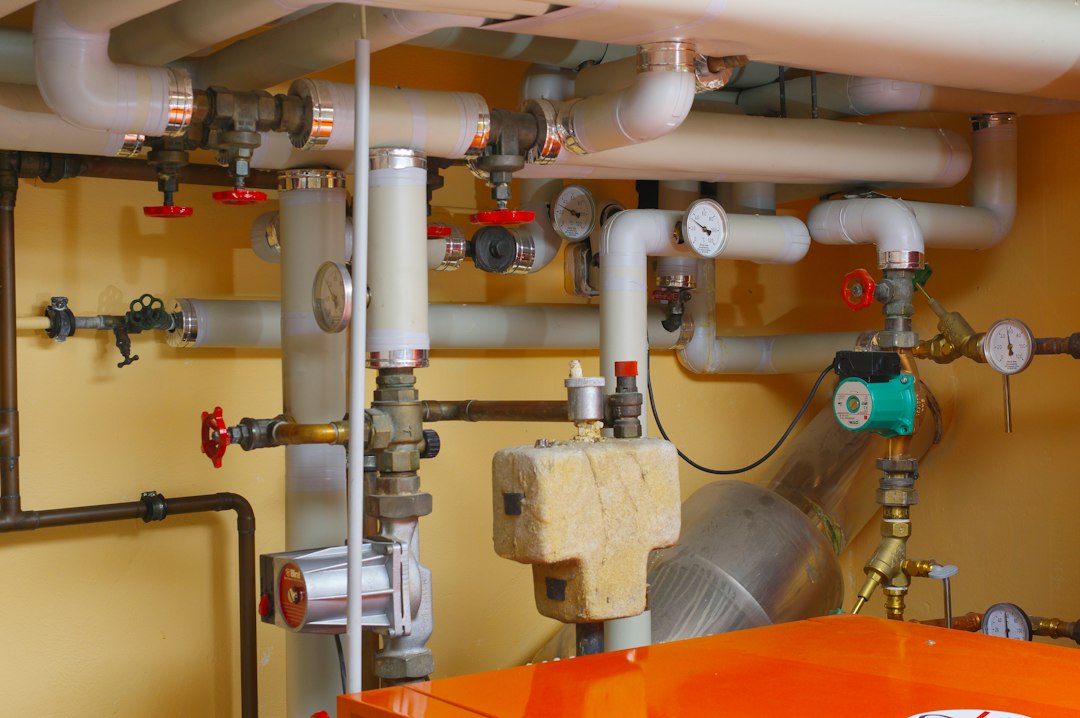
Plumbing noises can range from a light tick as pipes expand to a hard bang when water flow stops suddenly. That sharp impact is commonly called water hammer, but similar noises can also come from loose or poorly supported pipes.
What Water Hammer Is
Moving water has momentum. When a valve closes quickly, that moving column of water can create a pressure wave in the piping. The result may be a sharp bang or thump.
Which Fixtures Can Trigger It
Fast-closing appliance valves on washing machines and dishwashers are common triggers, but faucets, toilets and other fixtures can also reveal the problem.
It May Be Loose Piping Instead
Pipes that are not well supported can move and strike framing when water starts or stops. The noise may sound similar even though the fix is different.
Water Pressure Matters
Excessive household water pressure can make plumbing noise and stress more noticeable. A plumber can measure static and dynamic pressure and check pressure-reducing equipment if the home has it.
What Homeowners Can Observe
- Which fixture or appliance triggers the bang?
- Does it happen only when a valve closes quickly?
- Is the noise in one wall or throughout the house?
- Are there any new leaks around fittings or appliances?
Our Practical Take
Do not start adding parts until you know what is moving. A plumber can distinguish hydraulic shock from loose piping, pressure problems or fixture issues and decide whether support, pressure correction or a properly located arrestor is appropriate.
Related Reading
Try our two-hour leak test, review low-water-pressure checks, and browse Plumbing guides.
Source
Get Free Daily Home Tips & Updates
Practical maintenance, repair, renovation and buying guidance from Best of Artisans.