 Best of Artisans
Window Flashing and Sill Pans: What Homeowners Should Ask Installers
A good window is only part of a good installation. Flashing and sill details help manage water around the rough opening before it reaches the wall.
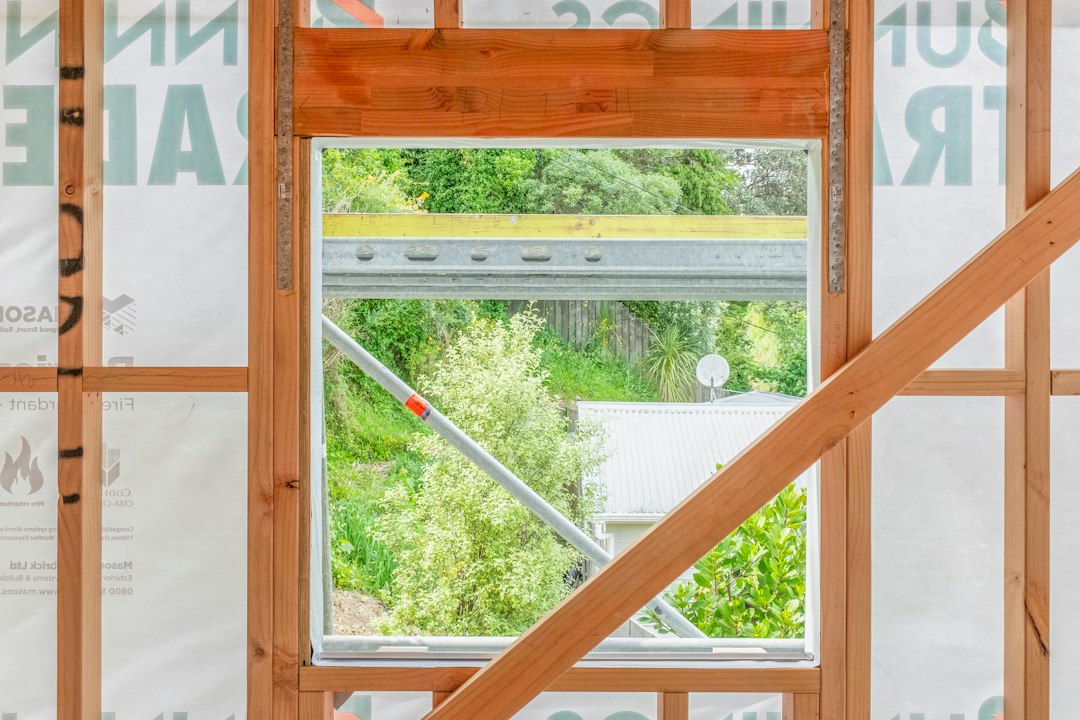
Replacement-window discussions often focus on glass, U-factor and frame material. Water management around the opening is just as important. Flashing should direct incidental water back to the exterior rather than trapping it inside the wall.
What Flashing Is Supposed to Do
Window flashing works with the wall’s weather-resistive barrier to direct water around the opening. It should be layered so water naturally drains toward the exterior.
What a Sill Pan Does
A sill pan or pan-flashing detail protects the bottom of the rough opening and provides a drainage path if water reaches the opening behind the window.
Why the Installation Sequence Matters
Flashing layers are generally integrated in a shingle-like sequence, with lower layers installed before upper layers so water flows over—not behind—the next layer.
Questions Worth Asking Before Installation
- How will the sill be flashed?
- How will the side flashing connect to the wall barrier?
- How is the head flashing handled?
- Will drainage or weep paths remain open?
- How will the gap between the frame and rough opening be air-sealed?
Full-Frame Replacement Gives More Access
A full-frame project exposes the rough opening, which can make it easier to inspect and renew flashing and air sealing. Insert replacements preserve more of the existing frame and therefore depend more heavily on the condition of the original assembly.
Our Practical Take
When comparing window quotes, ask about installation details—not only the window brand. A high-performance window installed into a poorly managed opening can still create water and air-leakage problems.
Related Reading
Compare insert vs. full-frame replacement, learn about drafty windows, and browse Windows guides.
Sources
U.S. Department of Energy Building America Solution Center — Flashing Windows
ENERGY STAR — Windows, Doors & Skylights
Get Free Daily Home Tips & Updates
Practical maintenance, repair, renovation and buying guidance from Best of Artisans.