Low Water Pressure at Home: What to Check First
A practical checklist for narrowing down low water pressure before you call a plumber.
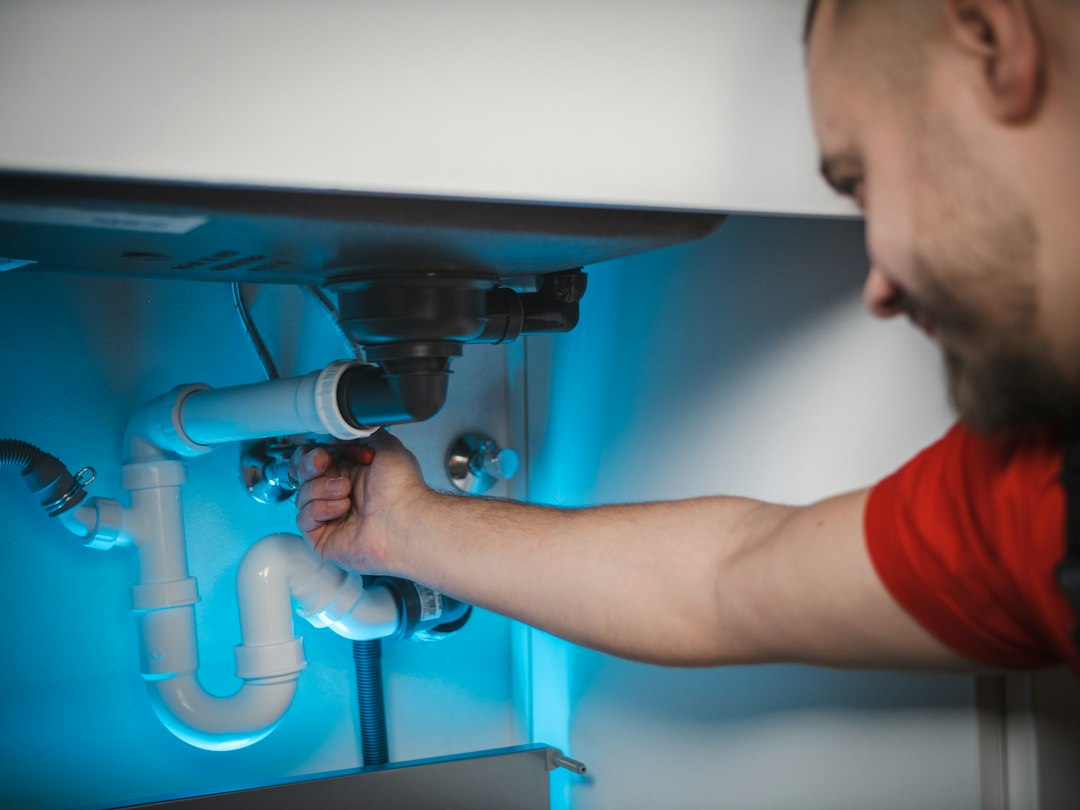
Low water pressure can come from something as simple as a clogged fixture or from a broader plumbing or supply issue. The first step is figuring out whether the problem affects one fixture, one area, or the whole home.
Quick takeaway: Test more than one faucet and compare hot and cold water. That simple check can help narrow the problem before any parts are replaced.
If Only One Fixture Is Affected
Start with the faucet aerator or showerhead. Mineral buildup and debris can restrict flow. Cleaning or replacing a small fixture component may solve a localized problem.
If Several Fixtures Are Affected
When pressure is low in multiple places, the issue may involve a shutoff valve, pressure regulator, supply line, or the water utility. Check that accessible main shutoff valves are fully open, but avoid forcing a valve that is stuck.
Compare Hot and Cold Water
If the problem mainly affects hot water, the water heater or hot-water piping may be involved. If both hot and cold are affected throughout the home, the cause may be farther upstream.
Watch for Signs of a Leak
Unexpected water use, damp areas, sounds of running water, or pressure that changed suddenly can justify a leak check. Hidden leaks should be investigated promptly to limit property damage.
Bottom Line
Low pressure is easier to diagnose when you can explain exactly where it happens and whether it changed suddenly. Those details can save time when you speak with a plumber or utility provider.
Related Articles
-

How to Reduce the Risk of Plumbing Leaks
Simple homeowner habits that can help catch small plumbing leaks before they cause larger damage.
-
Water Heater Warning Signs Homeowners Should Notice
Common clues that a water heater may need maintenance, repair, or professional inspection.
Get Smarter About Your Home
Free home improvement tips, useful updates, cost guides and savings ideas.