
The 2-Hour Water-Meter Test: A Simple Way to Catch Hidden Household Leaks
A quiet plumbing leak can waste water without leaving an obvious puddle. EPA WaterSense recommends a simple meter check that can help reveal hidden use.
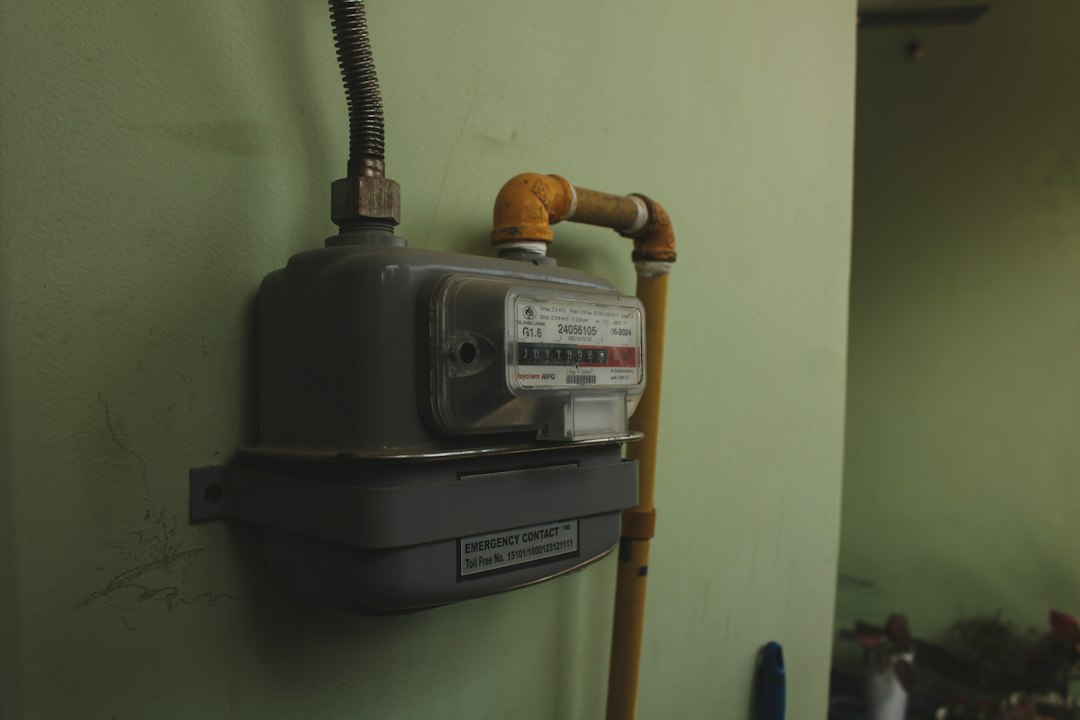
Last updated: October 7, 2026.
Not every plumbing leak drips where you can see it. A toilet flapper, irrigation line, or hidden connection can waste water quietly for weeks.
How to Run the Test
- Choose a two-hour period when nobody will use water.
- Turn off dishwashers, washing machines, irrigation, and other water-using equipment.
- Record the water-meter reading.
- Wait two hours without using water.
- Check the meter again.
If the Meter Changed
Start with common sources. Toilets are a frequent culprit, followed by dripping faucets, hose connections, irrigation components, and appliance supply lines.
Try the Toilet Dye Test
WaterSense recommends placing a few drops of food coloring in the toilet tank and waiting. If color appears in the bowl without flushing, the flapper or another tank component may be leaking.
Small Leaks Add Up
EPA estimates that average household leaks can waste more than 9,300 gallons per year. Fixing easy-to-correct leaks can reduce water use and may lower water bills.
Related reading: How to reduce the risk of plumbing leaks · Low water pressure: what to check first · EPA’s 2026 lead-pipe guidance
The Bottom Line
A meter test is not a diagnosis, but it is a useful screening tool. If water use continues when everything should be off, track down the source before a small leak becomes a larger repair.
Source: EPA WaterSense — Fix a Leak Week.
Get Free Daily Tips & Updates
Practical tips, money-saving ideas, useful guides, selected deals and helpful updates.