Home Remodeling in 2026: Demand Is Holding Up, but Growth Is Cooling
The 2026 remodeling market remains active, but costs and slower growth are shaping project decisions. Here is what the latest data means for planning a renovation.

The 2026 remodeling market is sending two messages at the same time.
People are still spending heavily on repairs and improvements, and remodeling contractors continue to report generally positive market conditions.
At the same time, the pace of growth is cooling. Building materials remain expensive, financing can make large projects harder to justify, and broader housing-market uncertainty is limiting stronger expansion.
The result is not a remodeling boom and not a collapse. It is a large, active market becoming more selective.
Quick takeaway: Remodeling demand remains substantial in 2026, but cost pressure and slower future growth make planning more important. Define the scope carefully, compare complete bids, keep room in the budget for surprises, and do not assume waiting a few months will automatically make a project cheaper.
The Latest Contractor Sentiment Is Still Positive
The most recent National Association of Home Builders Remodeling Market Index available as of October 1 covers the second quarter of 2026.
The overall RMI came in at 61.
On the index, a reading above 50 means a larger share of surveyed remodelers describe conditions as good rather than poor. The index has remained around the low 60s over the past year.
That points to a market with continuing work rather than widespread contraction. But the details are more useful than the headline number.
Smaller Projects Are Showing Particular Strength
NAHB’s Current Conditions Index was 70 in Q2.
Within that measure:
- Projects under $20,000 registered 74
- Projects from $20,000 to under $50,000 registered 73
- Projects of $50,000 or more registered 64
All three remained above the neutral 50 level, but smaller and mid-sized work produced the strongest readings.
That makes sense in a market where people may want to improve a property without committing to a very large financed renovation.
A bathroom refresh, targeted kitchen work, roofing repair, HVAC upgrade, accessibility modification, or phased project may be easier to approve than a full structural remodel.
The Forward-Looking Numbers Are Softer
The same NAHB survey included a Future Indicators Index of 52.
Its measure of incoming leads and inquiries was 51, while backlog registered 54. Both remained slightly above 50 but were weaker than current conditions.
That difference tells an important story. Contractors can still be busy with projects already underway while the next wave of demand becomes more cautious.
People planning a remodel should therefore avoid assuming that today’s contractor backlog automatically means demand will accelerate throughout the next year.
Harvard’s Forecast Also Points to Slower Growth
The Joint Center for Housing Studies of Harvard University tracks national owner-occupied improvement and repair spending through its Leading Indicator of Remodeling Activity, or LIRA.
Its July 2026 outlook projected that annual remodeling and repair spending growth would continue losing momentum through mid-2027.
The forecast expected year-over-year growth to slow to about 0.5% by the second quarter of 2027, with annual spending still around $519 billion.
In other words, the dollar amount remains enormous even if the growth rate becomes much slower.
That distinction matters whenever you see a headline saying the remodeling market is “slowing.” Slower growth is not the same thing as a dramatic drop in total activity.
Why Are People Still Remodeling?
Several forces continue supporting the market.
The U.S. housing stock is aging, which creates ongoing repair and replacement needs.
Many existing owners also have substantial equity but may be reluctant to move into another property if it means taking on a less attractive mortgage. That can redirect money and attention toward improving the property they already occupy.
Aging-in-place modifications are another source of demand.
Some remodeling is optional. Other work cannot be postponed indefinitely. A failing roof, water damage, worn mechanical system, outdated electrical equipment, accessibility need, or deteriorated exterior can create demand regardless of where the economic cycle is headed.
Construction Materials Are Still a Cost Problem
The market is not being held back because people suddenly stopped caring about their homes. Cost is a major part of the picture.
In NAHB’s Q2 remodeling survey, 74% of remodelers said suppliers had increased material prices since March. The average reported increase over that period was 6.7%.
Separate NAHB analysis of Producer Price Index data found residential building-material prices excluding energy were 5% higher in July 2026 than a year earlier.
Individual materials can move in very different directions, so those figures should not be used as a universal markup for every project. They do show why an estimate prepared a year ago may no longer be a useful budget.
Financing Can Change the Cost More Than the Cabinets
For a cash project, the contractor’s price is usually the biggest number people focus on.
For a financed project, borrowing costs also deserve attention.
A $70,000 renovation financed over time is not simply a $70,000 decision. Interest, loan fees, the repayment period, and the opportunity cost of using home equity can materially change the total cost.
Before approving a project, separate three numbers: construction cost, contingency, and financing cost. Keeping them separate makes comparison much easier.
Use a Contingency for Unknown Conditions
Remodeling differs from new construction because a contractor is working with a building that already exists.
Once a wall, floor, ceiling, or cabinet is removed, hidden conditions may appear.
Older plumbing, previous repairs, water damage, framing issues, electrical problems, or uneven surfaces can change the scope.
A contingency is not permission to spend carelessly. It is money deliberately left uncommitted so an unexpected but necessary item does not immediately break the budget.
The older or more complex the building, the more important it is to discuss unknown conditions before demolition begins.
Compare Bids by Scope, Not Just Total Price
A $42,000 bid and a $49,000 bid may not be competing prices for the same project.
One may include permits, disposal, painting, finish carpentry, protection of existing rooms, better materials, and cleanup. The other may list those items as exclusions or allowances.
Before comparing totals, check:
- Demolition
- Permits
- Labor
- Material allowances
- Delivery
- Disposal
- Electrical work
- Plumbing work
- Painting
- Trim and finish work
- Site protection
- Cleanup
- Warranty
- Change-order process
The lowest number becomes less useful if several predictable costs appear later.
Phasing Can Be Useful, but Only in the Right Order
A large project does not always need to happen at once.
Phasing can reduce immediate cash requirements and give you time to make decisions between stages. The sequence matters.
Fix water entry, structural problems, electrical hazards, and failing mechanical systems before spending heavily on cosmetic finishes.
If future work requires opening the same walls or floors again, doing the cosmetic phase first can create unnecessary rework.
Should You Wait for Remodeling Prices to Fall?
There is no reliable way to know that waiting six or twelve months will make a specific renovation cheaper.
National remodeling growth is expected to cool, but material prices, labor availability, local contractor demand, interest rates, and the exact products in your project can move differently.
If the project is optional, waiting may give you more time to save cash, improve the design, or compare contractors.
If delaying a roof leak or moisture problem allows additional damage to develop, waiting can become more expensive.
The reason for the project should therefore influence the timing as much as the market outlook.
The Bottom Line
The 2026 remodeling market remains active, but it is becoming more cautious.
NAHB’s latest available contractor survey still shows positive conditions. Harvard’s latest LIRA forecast, however, points toward much slower spending growth as the market moves into 2027. Meanwhile, material costs remain an important pressure on project budgets.
For anyone planning work, the market data is useful context—not a reason to rush.
A clearer scope, realistic contingency, comparable bids, sensible project sequence, and a financing plan will usually matter more to the success of your remodel than trying to predict the perfect month to start.
Sources: NAHB Q2 2026 Remodeling Market Index and Harvard Joint Center for Housing Studies remodeling outlook.
Related Articles
-
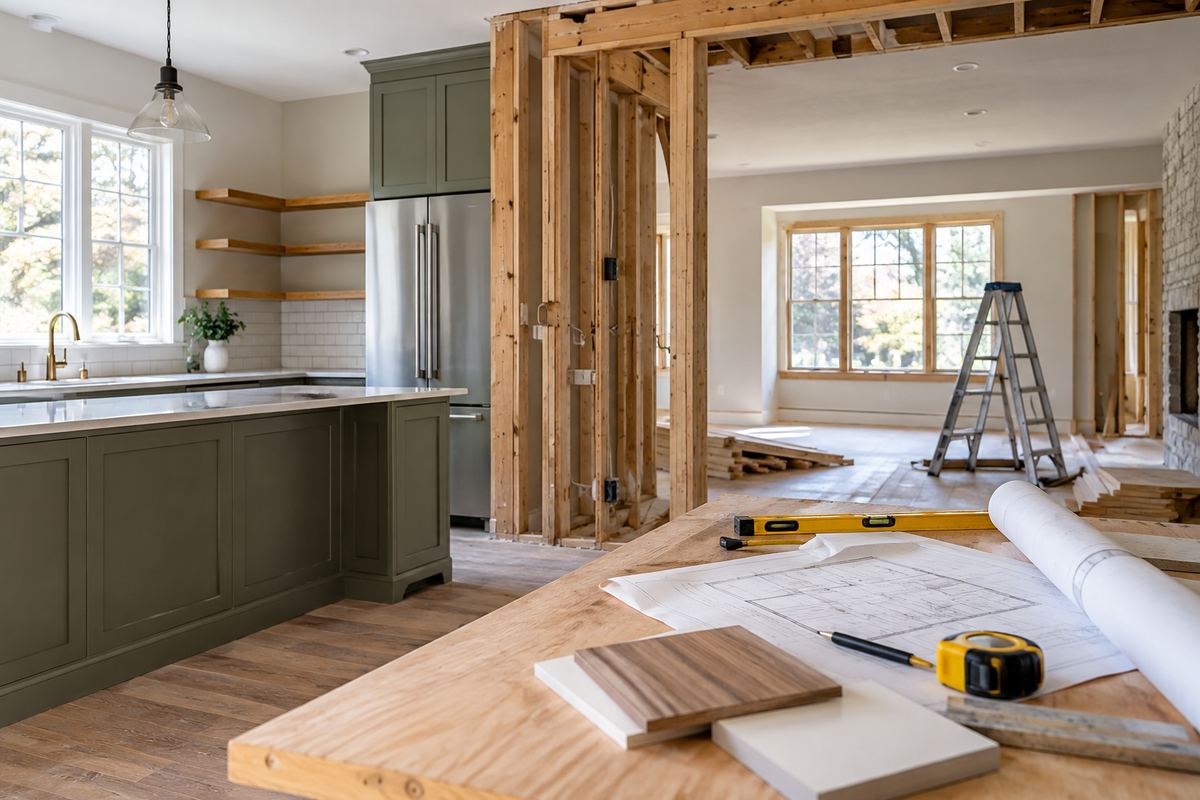
Common Remodeling Mistakes Homeowners Can Avoid
Planning mistakes that can create delays, change orders, or disappointing results during a home remodel.
-

Bathroom Remodel Planning Checklist: What to Decide First
A practical order for planning a bathroom remodel before finishes and fixtures start taking over the conversation.
-
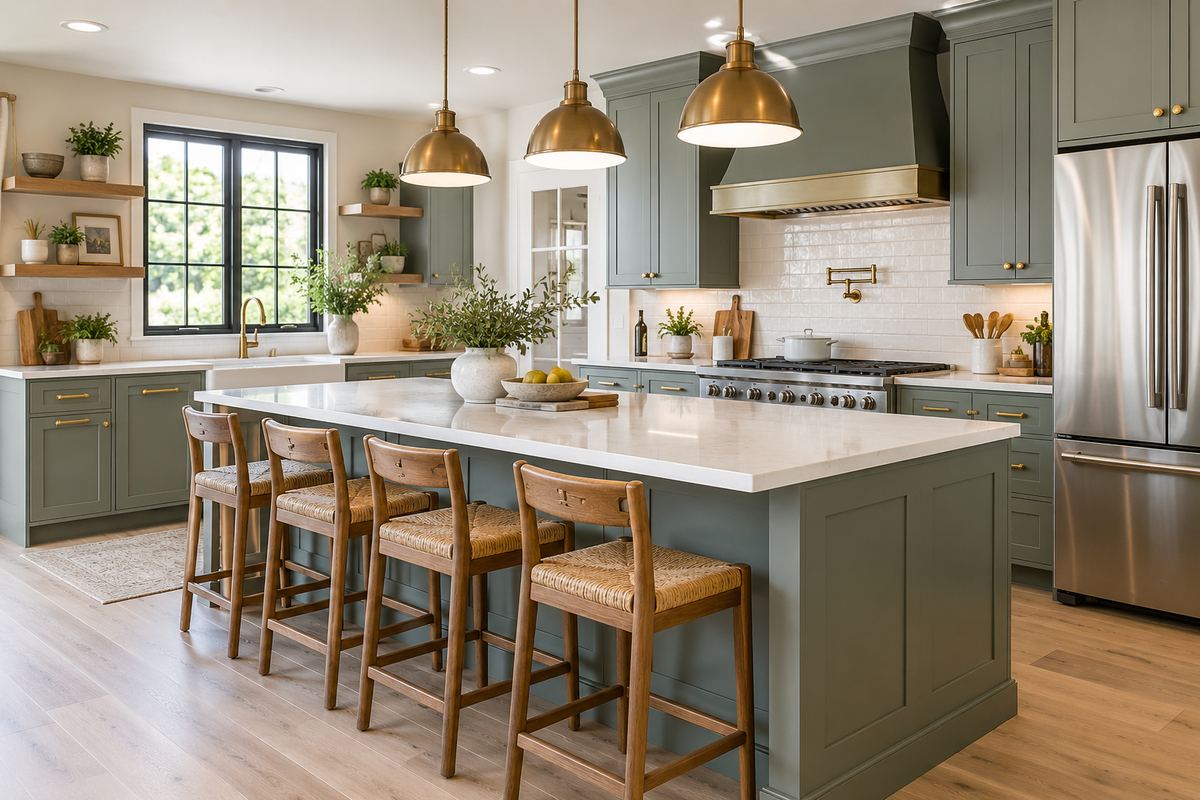
Kitchen Remodel Budget Priorities: Where to Focus First
How to organize a kitchen remodel budget around function, durability, and the changes that matter most.
Get Smarter About Your Home
Free home improvement tips, useful updates, cost guides and savings ideas.