 Best of Artisans
Bathroom Exhaust Fan: How Long Should It Run After a Shower?
A bathroom fan is there to remove moisture, not just odors. The right run time depends on how quickly mirrors, walls and humidity return to normal after a shower.
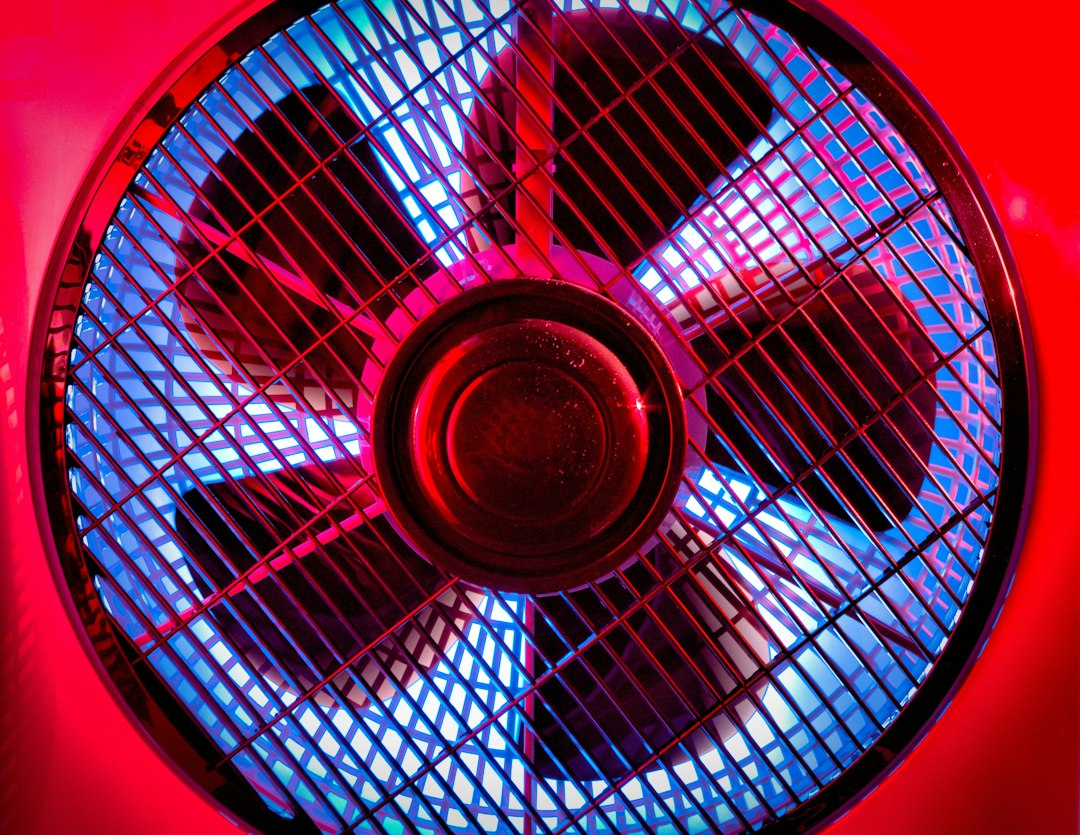
Showers release a large amount of water vapor into a small room. A bathroom exhaust fan helps move that moisture outdoors before it collects on walls, ceilings and windows.
Do Not Use the Mirror as the Only Test
A clear mirror is helpful, but moisture can remain in the room after the glass clears. A small humidity gauge can show how quickly the room returns toward its normal level.
EPA Guidance Focuses on Moisture Control
EPA recommends controlling indoor humidity, using exhaust fans vented outdoors in bathrooms and addressing condensation quickly. Persistent dampness can support mold growth.
Check Whether the Fan Actually Moves Air
A noisy fan is not necessarily an effective fan. Dust buildup, a stuck exterior flap, long duct runs or disconnected ducting can reduce airflow.
Make Sure It Vents Outdoors
Bathroom exhaust should not simply dump moist air into an attic or enclosed cavity. If you are unsure where the duct terminates, have it checked.
Watch for Recurring Moisture Clues
Peeling paint, dark spots on ceilings, swollen trim, musty odors or condensation that remains for a long time can indicate that moisture is not being controlled well.
Timers and Humidity Controls Can Help
A timer switch or humidity-sensing control can make it easier to keep the fan running long enough without relying on memory.
Our Practical Take
Instead of choosing a universal number of minutes, observe how your bathroom behaves. Run the fan until the room is visibly dry and humidity has moved back toward its normal baseline.
Related Reading
Read our indoor humidity guide, attic moisture checklist, and more Home & Living guides.
Source
Get Free Daily Home Tips & Updates
Practical maintenance, repair, renovation and buying guidance from Best of Artisans.