 Best of Artisans
Signs Your HVAC Ducts May Be Leaking: What Homeowners Can Check First
Uneven rooms, weak airflow, dusty areas and rising heating or cooling costs can point to duct problems. Here is what to check before assuming the HVAC equipment itself is failing.
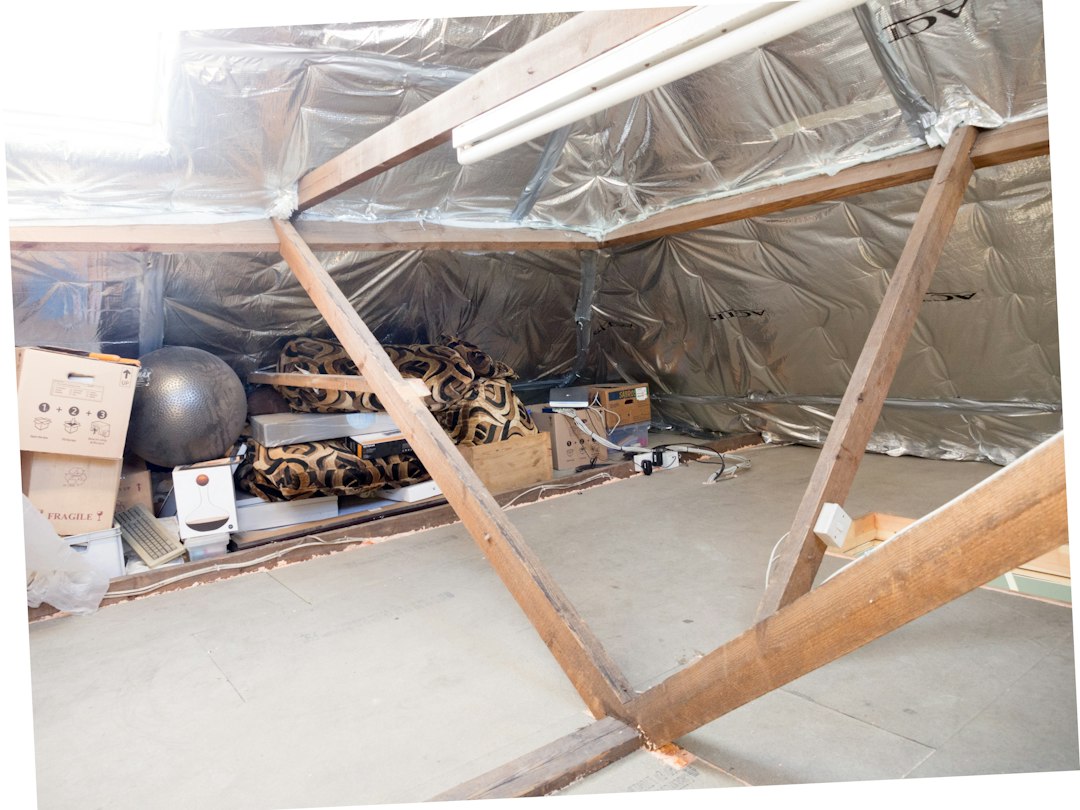
A heating or cooling system can be working correctly at the equipment and still deliver poor comfort if conditioned air is escaping through leaky or disconnected ducts. Duct problems are especially easy to miss when most of the system runs through an attic, crawlspace or other hidden area.
Why Duct Leakage Matters
Ducts are supposed to carry heated or cooled air from the HVAC equipment to the rooms and return indoor air back to the system. When joints, seams or connections leak, some of that air can be lost into an attic, crawlspace, garage or wall cavity.
The U.S. Department of Energy notes that poorly sealed ducts can reduce heating and cooling efficiency and make comfort problems harder to solve.
Common Clues Around the House
- One or two rooms stay noticeably warmer or colder than the rest.
- Airflow feels weak at certain supply registers.
- Flexible duct sections look crushed, torn or disconnected.
- Duct insulation is loose, damaged or stained.
- Dust accumulates unusually fast around registers or accessible joints.
- The system runs for long periods without improving comfort.
Do Not Assume Every Comfort Problem Is a Duct Leak
Dirty filters, blocked registers, incorrect equipment sizing, insulation gaps, thermostat location and equipment faults can produce similar symptoms. That is why the pattern matters.
What a Professional Can Measure
HVAC contractors can use pressure testing and airflow measurements to find leakage and determine whether the duct system is balanced correctly. This is more useful than simply applying tape to every visible joint.
Use the Right Materials for Repairs
DOE guidance recommends sealing accessible duct joints with appropriate mastic or approved foil-backed tape rather than ordinary cloth-backed “duct tape,” which can fail over time in HVAC conditions.
Our Practical Take
If comfort problems are concentrated in specific rooms, inspect the accessible duct path before assuming you need new HVAC equipment. A disconnected branch or major leak can create a surprisingly large comfort problem while the furnace, air conditioner or heat pump is still functioning.
Related Reading
See our HVAC hub, learn about short cycling, and review why proper equipment sizing matters.
Source
U.S. Department of Energy — Minimizing Energy Losses in Ducts
Get Free Daily Home Tips & Updates
Practical maintenance, repair, renovation and buying guidance from Best of Artisans.