 Best of Artisans
Aux Heat vs. Emergency Heat: What Those Heat-Pump Thermostat Settings Mean
Auxiliary heat and emergency heat are not the same thing. Here is how backup heat works on many heat-pump systems and when the emergency setting may be appropriate.
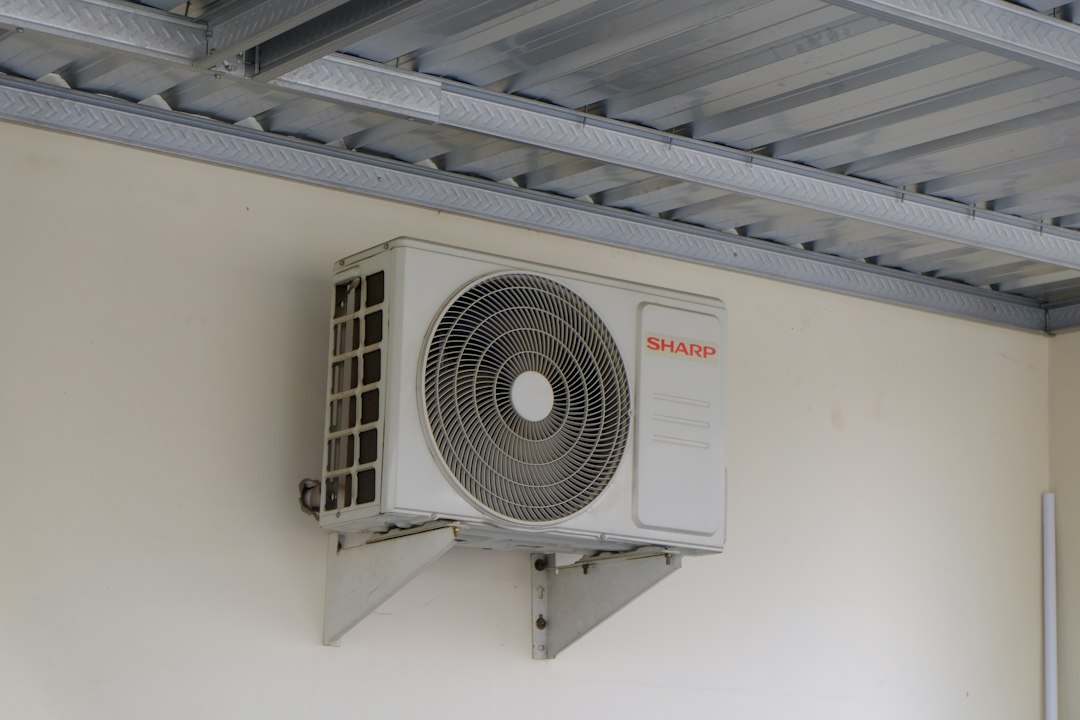
Heat-pump thermostats can display labels such as AUX, Auxiliary Heat or Emergency Heat, and the wording can make it sound as if something is wrong. In many systems, backup heat is a normal part of operation—but the thermostat settings do not all mean the same thing.
What Auxiliary Heat Usually Means
Many heat pumps have a second heat source, often electric resistance heat or another heating system. The controls may bring that backup source on automatically when outdoor conditions are demanding or when the indoor temperature needs to recover quickly.
What Emergency Heat Usually Does
On many systems, selecting Emergency Heat tells the thermostat to rely on the backup heat source instead of normal heat-pump operation. That can be useful when the outdoor heat-pump equipment has failed or a technician has told you not to run it.
Because thermostat logic and dual-fuel systems vary, the equipment manual or installer should be the final reference for your specific setup.
Why Emergency Heat Can Cost More
If the backup source is electric resistance heat, it can use substantially more electricity than normal heat-pump operation. Leaving Emergency Heat on simply because it is cold outside can therefore increase energy use unnecessarily.
When AUX on the Thermostat Is Not Automatically a Problem
A brief AUX indication during cold weather, defrost or a large thermostat recovery can be normal. The concern is when backup heat seems to run constantly, indoor comfort keeps falling, or the outdoor unit is not operating as expected.
What to Check Before Calling
- Confirm the thermostat is in the intended heating mode.
- Check the air filter and accessible registers.
- Look at the outdoor unit for heavy ice or obvious obstruction.
- Note any thermostat error messages.
Our Practical Take
Do not use Emergency Heat as a “make the house warmer faster” button. Let the system manage normal backup heat automatically unless your equipment instructions or an HVAC professional tells you to switch to emergency operation.
Related Reading
Read about heat-pump frost and defrost, heat-pump sizing, and our thermostat schedule guide.
Source
Get Free Daily Home Tips & Updates
Practical maintenance, repair, renovation and buying guidance from Best of Artisans.