 Best of Artisans
Attic Insulation and R-Value: What Homeowners Should Understand Before Adding More
R-value measures resistance to heat flow, but insulation performance also depends on coverage, air sealing, moisture and installation quality.
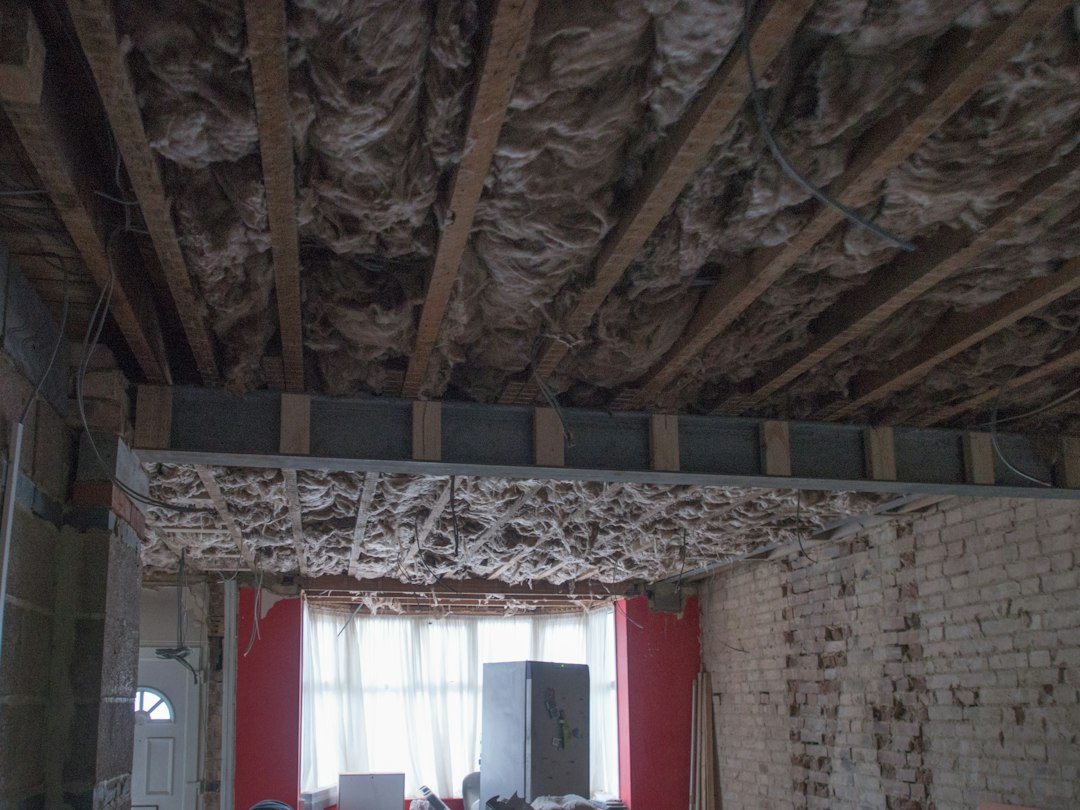
Adding attic insulation is often presented as a simple question of how many inches to install. The better starting point is understanding R-value, where heat and air are actually moving, and whether moisture or air leaks should be corrected first.
What R-Value Means
R-value describes a material’s resistance to conductive heat flow. In general, a higher R-value provides greater resistance. Different insulation materials deliver different R-values per inch, so depth alone does not tell the whole story.
Existing Insulation May Not Be Uniform
Attics often have thin spots, displaced batts or areas compressed by storage and foot traffic. Before deciding what to add, look at coverage across the whole accessible attic rather than measuring one deep area.
Air Sealing Comes First in Many Homes
Insulation slows heat flow through materials, but it does not necessarily stop air moving through cracks. DOE guidance emphasizes sealing gaps around penetrations, framing transitions, ducts and other openings as part of an efficient envelope.
Do Not Cover Moisture Problems
Wet insulation loses effectiveness and may signal a roof leak, condensation or ventilation problem. Fix the moisture source before adding more material over it.
Climate and Building Design Matter
Recommended insulation levels vary by climate zone and by where insulation is installed. Local energy codes and qualified energy professionals can help determine an appropriate target for a specific home.
Watch for Safety and Access Issues
Recessed lights, electrical equipment, chimneys, flues and ventilation paths may require clearances or special treatment. Do not bury equipment or block soffit ventilation without confirming the correct detail.
Our Practical Take
We would not buy insulation only because one corner of the attic looks low. First check for air leaks, moisture, ventilation and uneven coverage. Then decide what R-value target makes sense for the climate and existing assembly.
Related Reading
See how attic moisture can damage a roof, browse Home & Living guides, and read our window comfort and energy guide.
Sources
U.S. Department of Energy — Guide to Home Insulation
U.S. Department of Energy — Why Energy Efficiency Matters
Get Free Daily Home Tips & Updates
Practical maintenance, repair, renovation and buying guidance from Best of Artisans.