Drafty Windows: Simple Checks Before You Replace Them
How to identify where air may be entering and when sealing, repair, or replacement could make sense.
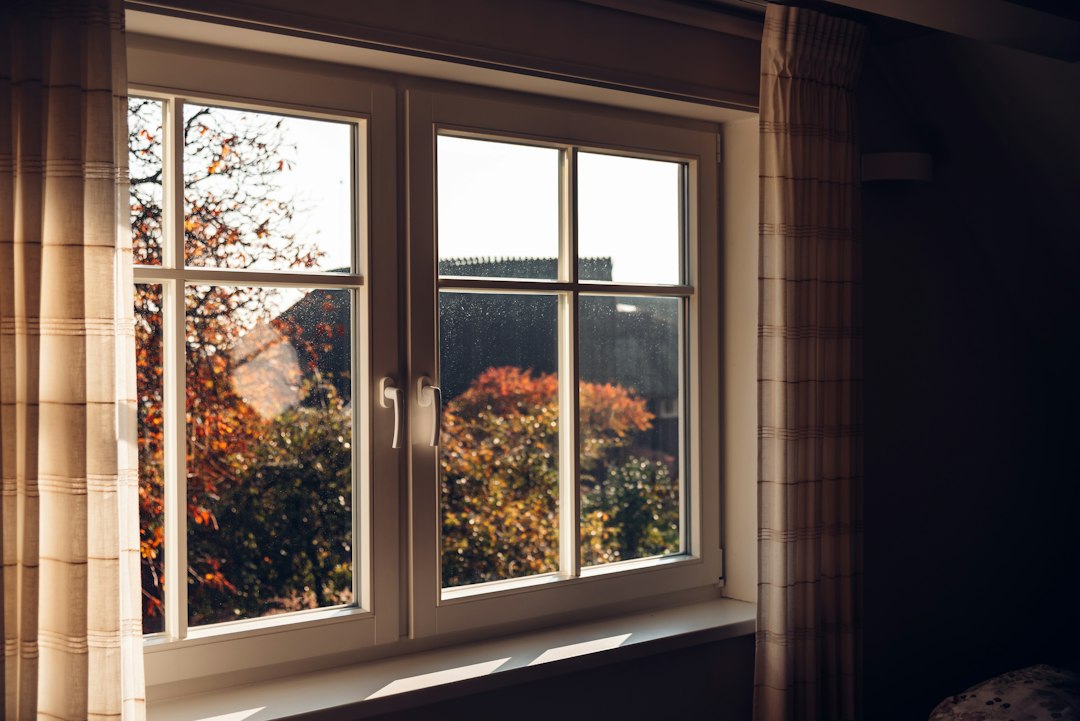
A room can feel drafty even when the glass itself is not the main problem. Air can enter around movable sashes, trim, wall openings, locks, or worn weatherstripping. Narrowing down the location of the draft helps avoid replacing a window that may only need a smaller repair.
Quick takeaway: Check the sash, locks, weatherstripping, and interior trim before assuming the entire window needs replacement.
Start With the Moving Parts
Close and lock the window fully. A sash that does not seat squarely can leave a small gap. Check whether the lock pulls the sash into a firm seal and whether the window opens and closes normally without forcing it.
Inspect Weatherstripping
Weatherstripping can compress, tear, loosen, or become brittle over time. If the frame and sash are otherwise in good condition, replacing worn weatherstripping may improve the seal without replacing the whole unit.
Look Around the Interior Trim
Air leakage can occur between the window frame and the wall opening. Gaps around trim, cracked caulk, or unfinished transitions can point to installation or sealing issues. The correct repair depends on where the gap is located and how the wall assembly is built.
Do Not Confuse Cold Glass With an Air Leak
Standing near a cold pane can feel uncomfortable even when little air is actually leaking. Glass temperature, indoor humidity, and air movement in the room all affect comfort. That is one reason it helps to identify an actual path for moving air before deciding on replacement.
When Replacement Becomes More Reasonable
Replacement may deserve consideration when frames are deteriorated, hardware no longer operates reliably, seals have failed repeatedly, water intrusion persists, or several repair issues are happening at once. The condition of the opening and surrounding wall should be evaluated too.
Bottom Line
Drafts are a symptom, not a diagnosis. Find the location first, then compare a targeted repair with full replacement. That approach gives you a clearer basis for discussing options with a window professional.
Related Articles
-
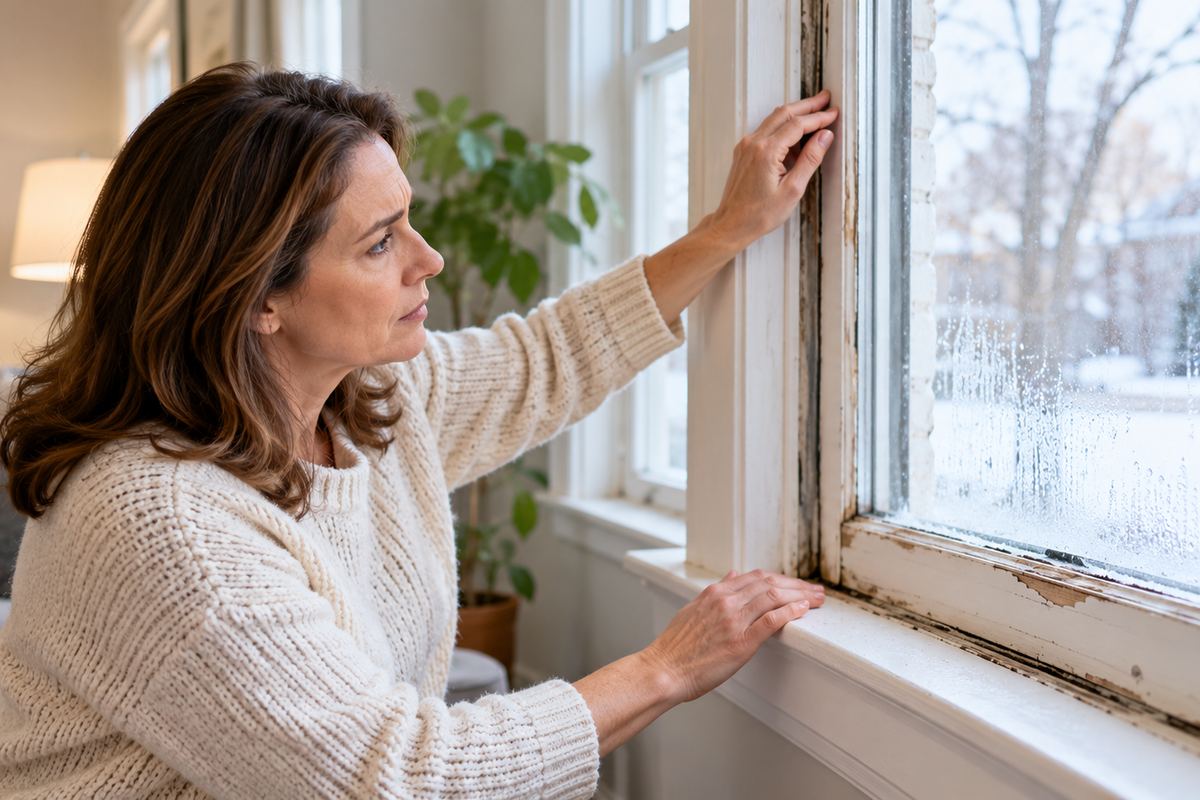
When Should You Consider Replacing Your Windows?
Signs that can help homeowners decide whether window repair, maintenance, or replacement deserves a closer look.
-
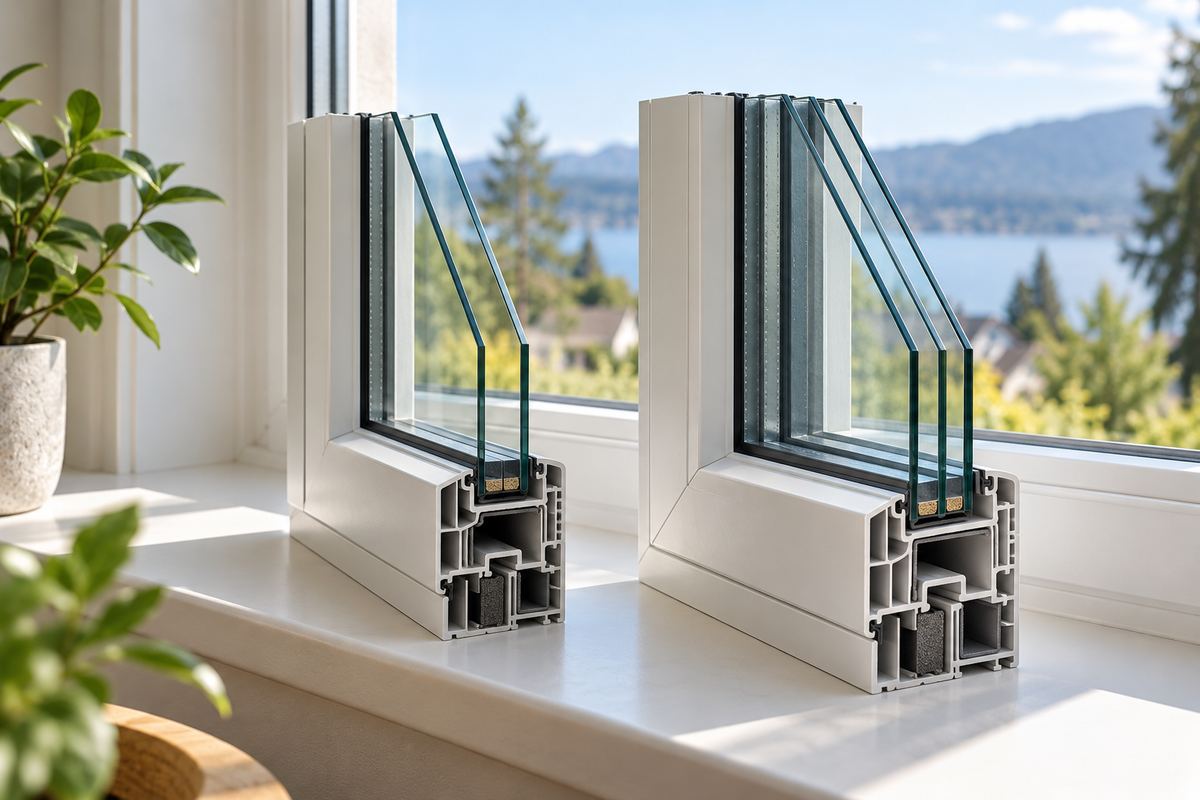
Double-Pane vs. Triple-Pane Windows: What Changes?
A clear comparison of double-pane and triple-pane windows for comfort, noise, cost, and project planning.
-
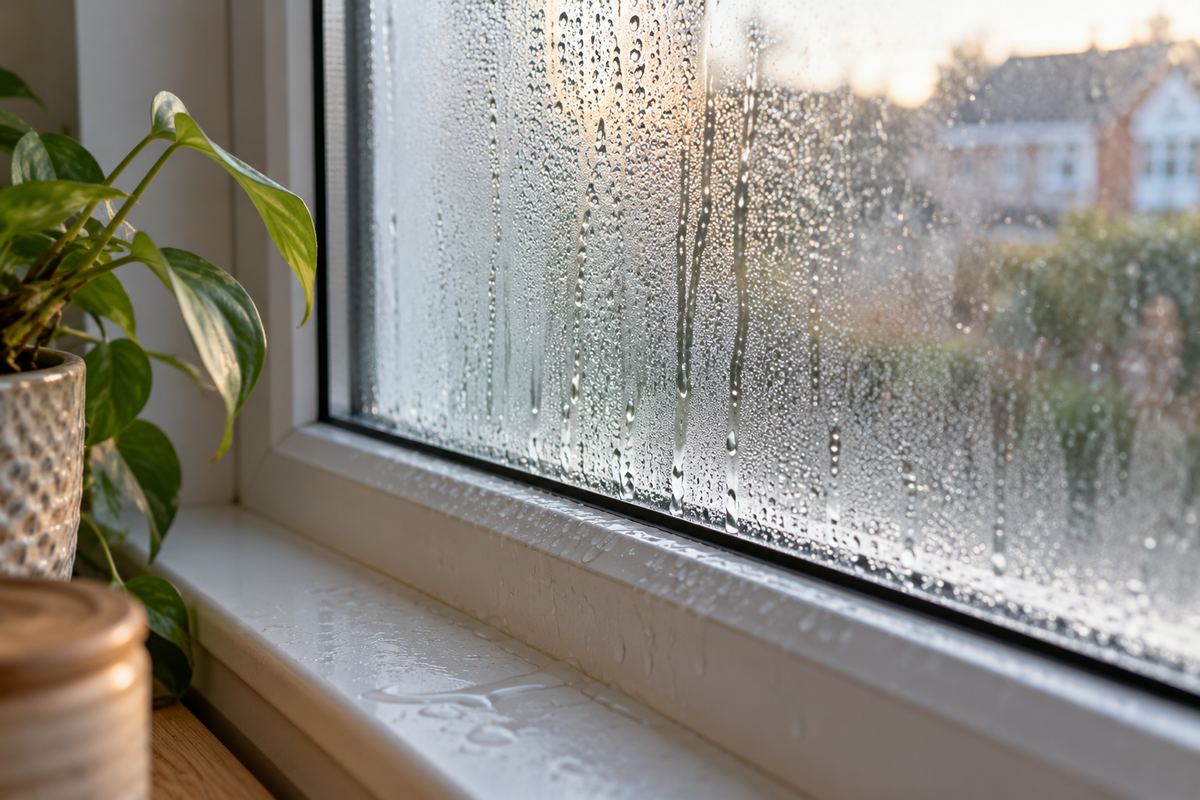
Why Do Windows Get Condensation?
Understand the difference between indoor surface condensation, exterior condensation, and moisture trapped between panes.
Get Smarter About Your Home
Free home improvement tips, useful updates, cost guides and savings ideas.