When Should You Replace a Water Heater? Signs to Watch
How age, leaks, hot-water performance, and repair history can help guide the decision.
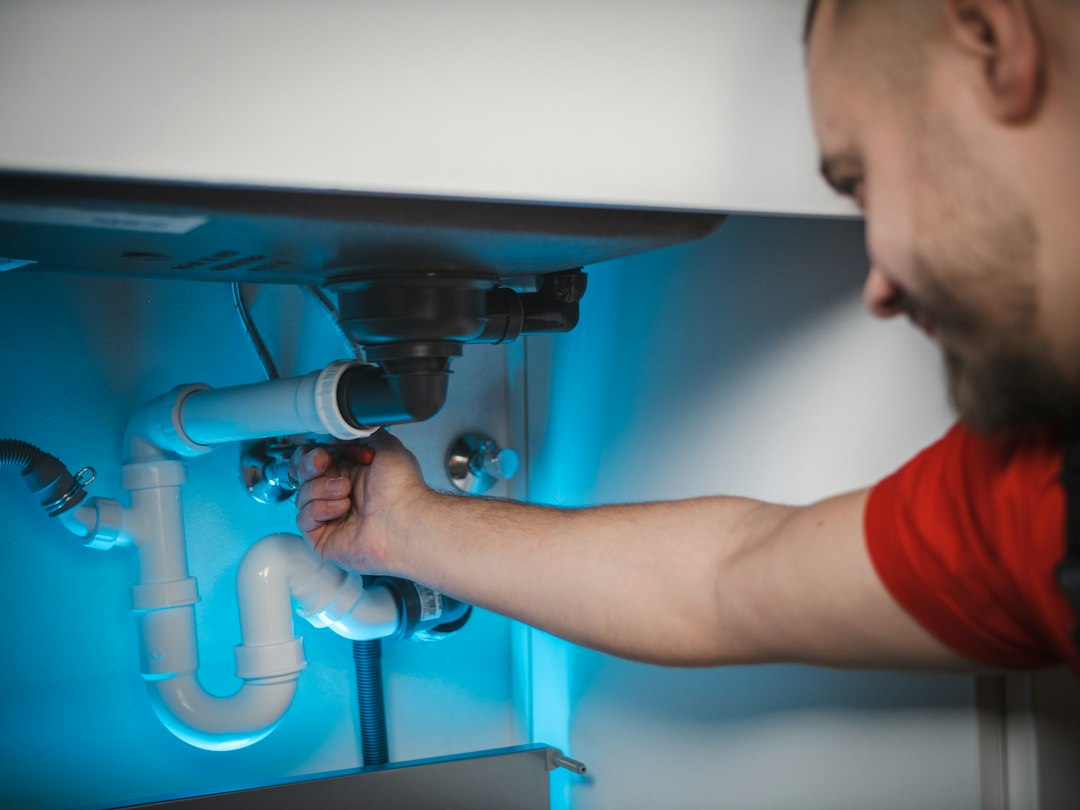
A water heater does not need replacement simply because it reaches a certain birthday. Condition, maintenance history, tank integrity, water quality, and repair frequency all matter. The most useful approach is to watch for changes rather than rely on age alone.
Quick takeaway: Active tank leaks, repeated repairs, worsening hot-water performance, and visible corrosion are stronger replacement signals than age by itself.
A Leak From the Tank Deserves Prompt Attention
Water around the heater can come from fittings, valves, condensation, or the tank itself. A leaking tank is different from a repairable connection leak and often leads to replacement. Because water can damage floors and nearby materials, unexplained moisture should be investigated promptly.
Hot Water Is Becoming Less Reliable
Shorter showers, slower recovery, inconsistent temperature, or a system that struggles with normal household demand can signal a performance problem. Some causes are repairable, while others reflect an aging or undersized system.
Rust, Discoloration, or Corrosion Can Be Useful Clues
Rust-colored hot water, corrosion around fittings, or deterioration near the tank should not be ignored. The source should be confirmed because plumbing pipes and fixtures can also discolor water.
Frequent Repairs Change the Math
An isolated repair on an otherwise dependable heater can make sense. Repeated service calls over a short period are different. When repair costs keep accumulating, compare the likely remaining life of the unit with the cost and benefits of replacement.
Consider the Next System Before an Emergency
If a heater is aging but still operating, that can be a useful time to compare tank sizes, fuel types, efficiency, space requirements, installation constraints, and local code requirements without the pressure of an emergency failure.
Bottom Line
Replacement decisions are easier when you combine condition, performance, repair history, and household needs. If there is an active leak, electrical concern, gas odor, or combustion issue, stop normal troubleshooting and contact the appropriate professional promptly.
Related Articles
-
How to Reduce the Risk of Plumbing Leaks
Simple homeowner habits that can help catch small plumbing leaks before they cause larger damage.
-
Low Water Pressure at Home: What to Check First
A practical checklist for narrowing down low water pressure before you call a plumber.
-
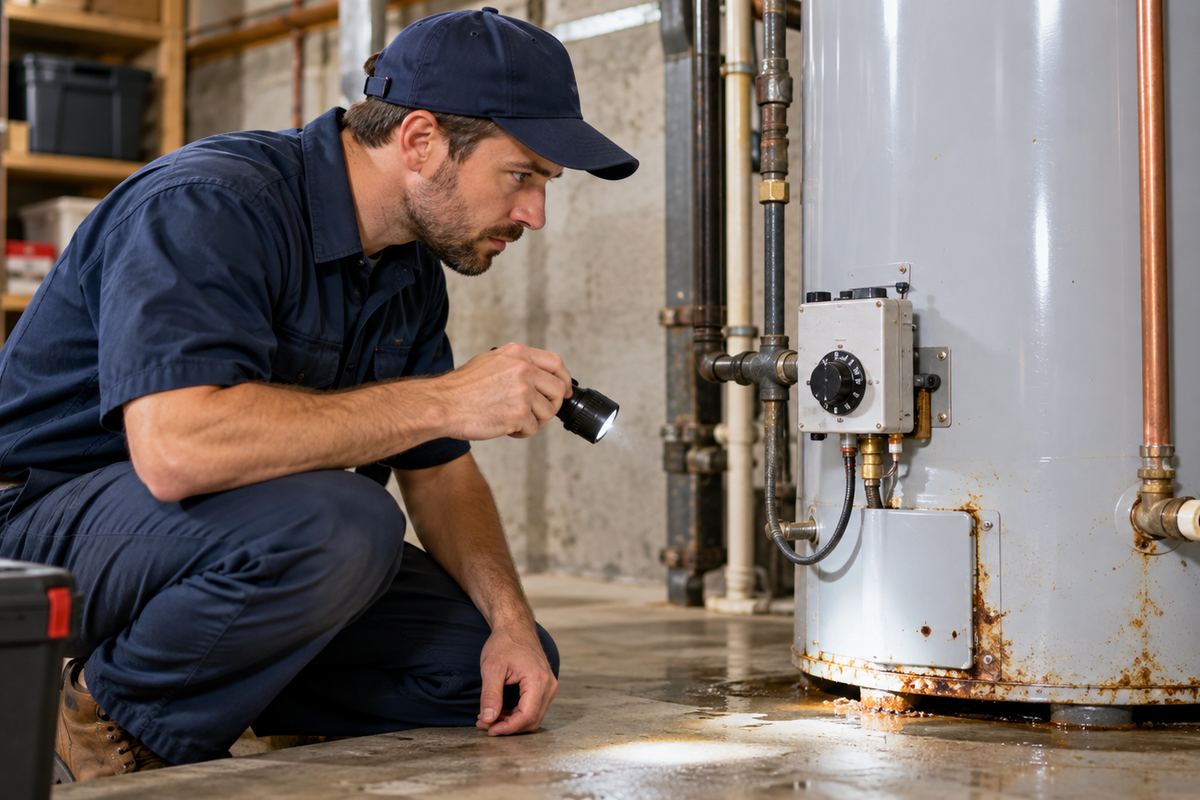
Water Heater Warning Signs Homeowners Should Notice
Common clues that a water heater may need maintenance, repair, or professional inspection.
Get Smarter About Your Home
Free home improvement tips, useful updates, cost guides and savings ideas.