 Best of Artisans
Sump Pump Before Heavy Rain: 7 Checks to Make Before You Need It
A sump pump is easiest to troubleshoot before the basement is taking on water. A few checks can reveal obvious problems before a storm.
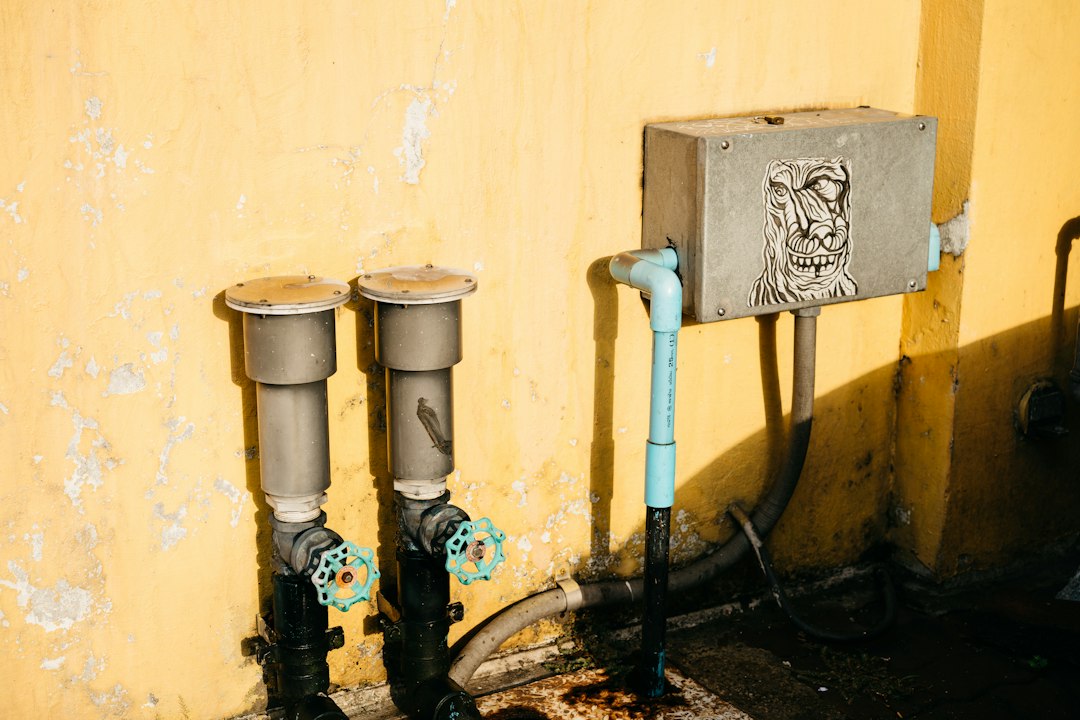
Homes with basements or low areas may use a sump pump to remove water that collects around the foundation. During severe rain, that equipment can become critical at the same time power outages and high water levels are more likely. Testing the basics ahead of time is much easier than discovering a problem during a storm.
Quick takeaway: Confirm the pump activates, the float can move freely, the discharge path is clear and backup power is available if your home depends heavily on the pump. Never work on electrical equipment while standing in water.
1. Look Into the Sump Pit Safely
Remove obvious loose debris that could interfere with the float or intake if the pit is safely accessible. The float needs room to move without catching on pipes, cords or the side of the basin.
2. Test Whether the Pump Activates
Follow the pump manufacturer’s instructions. Many systems can be tested by adding enough clean water to raise the float and trigger the pump. The pump should start, lower the water and shut off normally.
3. Listen for Changes in Sound
Grinding, rattling, repeated rapid cycling or a motor that runs without moving water are reasons to investigate before the next storm.
4. Check the Discharge Pipe
Make sure the discharge line is connected and not visibly crushed, frozen or blocked. Outside, water should be directed away from the foundation in accordance with local requirements.
5. Check the Power Source
A sump pump that relies only on household electricity will not run during a power outage. FEMA guidance notes that backup power such as battery storage or a generator may be needed if you want the pump to continue during an outage.
6. Test the Backup System
If you have a battery backup, do not assume it works just because it is installed. Follow the manufacturer’s test procedure and check battery age, alarms and indicator lights.
7. Know the Limits of the System
A sump pump can be overwhelmed by very high water levels or extreme inflow. Persistent water intrusion, foundation drainage problems or repeated pump cycling deserves a broader drainage evaluation.
Our Practical Take
A sump pump is one part of water management, not a guarantee against basement flooding. Gutters, grading, foundation drainage and backup power all affect how well the system performs during severe weather.
Related Reading
Sources
Get Free Daily Tips & Useful Updates
Practical home guides, savings ideas and helpful updates from Best of Artisans.