 Best of Artisans
Roof Valleys: Why This Drainage Zone Deserves Extra Attention
Roof valleys carry concentrated runoff from two roof slopes. Debris, damaged shingles and flashing problems can make this area more vulnerable to leaks.
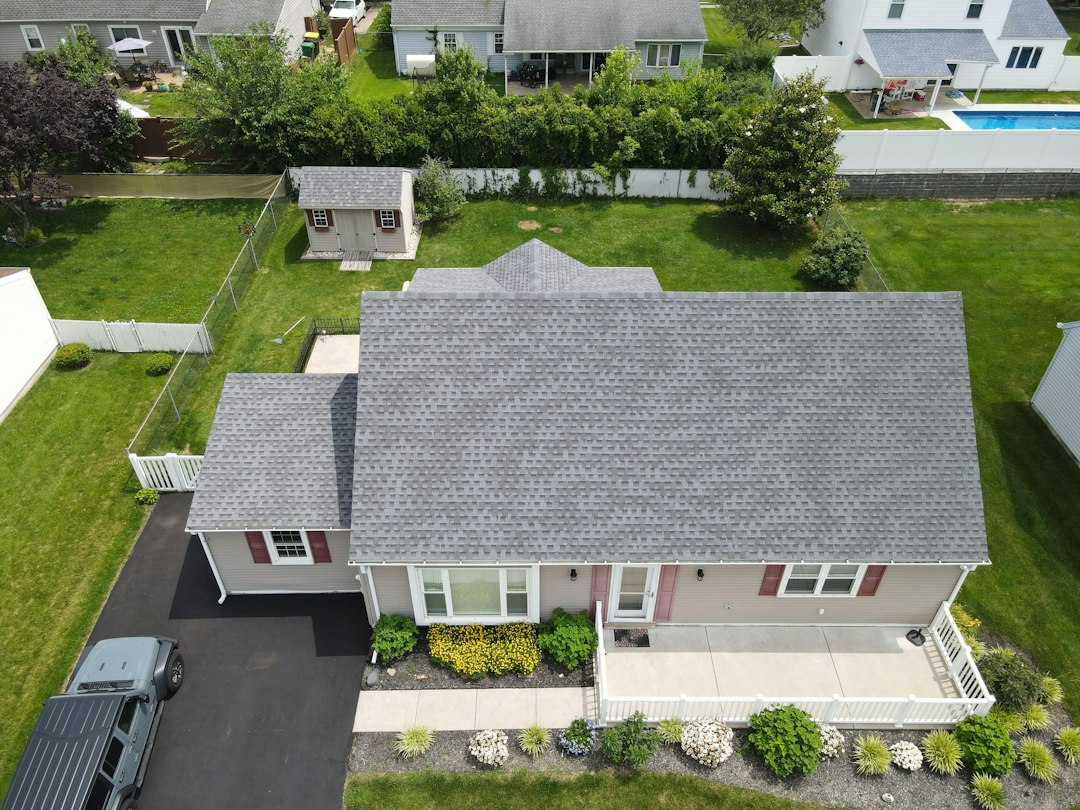
A roof valley is the inside angle where two roof slopes meet. During rain or snowmelt, water from both slopes is directed into that channel, so the valley can carry much more runoff than a typical section of roof.
Why Valleys Handle More Water
Two roof planes drain toward the same line, concentrating runoff. That makes correct underlayment, flashing and shingle installation especially important.
Open vs. Closed Valleys
Some roofs use exposed metal in the valley, while others cover the valley with shingles using an approved installation method. Both approaches can work when designed and installed correctly.
What Homeowners Can Look for Safely
- Leaves, branches or debris collecting in the valley.
- Shingles that are cracked, displaced or missing near the valley.
- Rust, lifting or visible damage on exposed metal valleys.
- Water staining in the attic or ceiling below the valley line.
- Signs that gutters at the valley discharge point overflow during rain.
Why Debris Is a Problem
Debris can slow drainage and keep roofing materials wet longer. It can also redirect water sideways under vulnerable edges instead of allowing it to flow freely toward the gutter.
Do Not Patch a Valley With Surface Sealant Alone
Repeated caulking can hide the symptom without fixing the way water is moving through the assembly. A roofer should evaluate the valley layers, underlayment and adjacent shingles when leaks persist.
Our Practical Take
Because valleys carry concentrated water, small defects there deserve more attention than cosmetic wear on an open field of shingles. Inspect from the ground, attic or safe window location and let a roofing professional handle close inspection.
Related Reading
Read our guides to roof flashing, shingle granule loss, and Roofing.
Source
National Roofing Contractors Association — Roofing Resources
Get Free Daily Home Tips & Updates
Practical maintenance, repair, renovation and buying guidance from Best of Artisans.