 Best of Artisans
Gutters Overflowing in Heavy Rain? 6 Things to Check From the Ground
Overflowing gutters can come from clogs, poor slope, blocked downspouts or too much roof runoff entering one section. Here is what homeowners can check safely.
A gutter that spills water over the front edge during rain is more than an annoyance. Repeated overflow can soak fascia, splash siding and concentrate water close to the foundation.
1. Look for Visible Debris
Leaves, seed pods and roofing granules can collect near outlets and slow water. From the ground, look for vegetation, standing water or debris packed near the top of the gutter.
2. Check the Downspout Outlet
If water backs up near one downspout, the blockage may be lower in the system. Make sure the discharge end is not buried in leaves, soil or snow.
3. Watch for Sagging or Low Spots
Gutters need a controlled slope toward the outlet. A section that sags can hold water and overflow before it reaches the downspout.
4. Notice Where Roof Valleys Discharge
Roof valleys can send a large amount of runoff into a short section of gutter. If overflow happens only below a valley, the gutter or outlet may not be handling that concentrated flow well.
5. Check Whether Water Is Going Behind the Gutter
Water running between the roof edge and gutter can point to alignment, flashing or installation issues rather than a simple clog.
6. Follow the Water at Ground Level
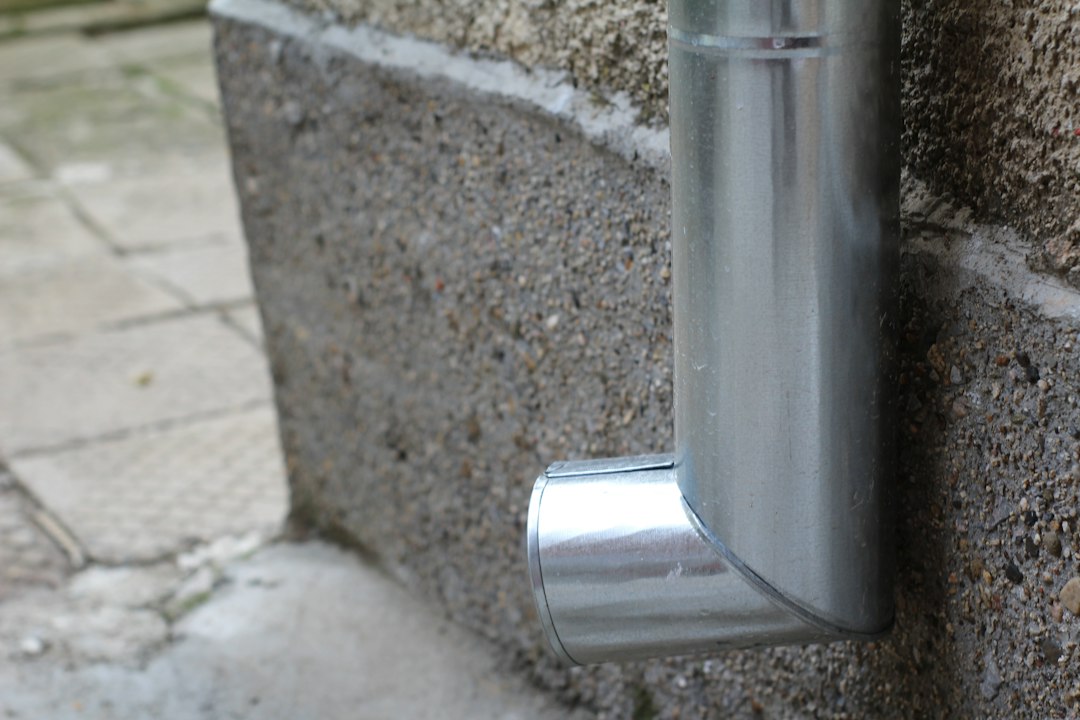
Downspouts should discharge water away from vulnerable foundation areas. Even a clean gutter does not help much if the water empties directly against the house.
Our Practical Take
Use a rainstorm as a diagnostic moment—but stay on the ground. Note exactly where overflow starts and where the downspout discharges. That information helps distinguish a clog from a slope, capacity or roof-edge problem.
Related Reading
Read our guide to roof valleys, review roof maintenance, and browse the Roofing hub.
Source
National Roofing Contractors Association — Roofing Resources
Get Free Daily Home Tips & Updates
Practical maintenance, repair, renovation and buying guidance from Best of Artisans.