How to Plan a Home Remodel Timeline Without Surprises
A practical sequence for design, approvals, ordering, construction, and the final punch list.
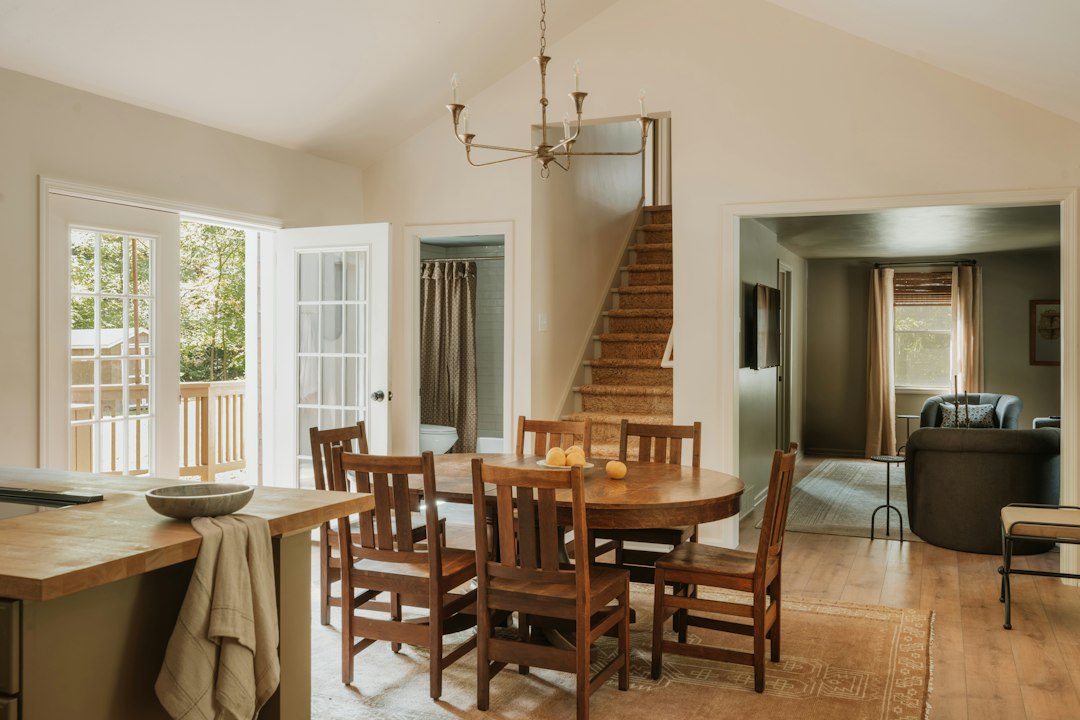
A remodeling timeline is easier to manage when it is built around decisions and dependencies rather than a single target completion date. Design choices, permits, product lead times, inspections, and hidden conditions can all affect when the next phase can begin.
Quick takeaway: Finalize the scope and long-lead selections early, then build the schedule around approvals and work that must happen in a specific order.
Define the Scope Before Scheduling the Work
A clear scope tells everyone what is included, what is staying, and which rooms or systems will be affected. Changes made after demolition usually have a larger effect on cost and timing than decisions made during planning.
Finish Key Design Decisions Early
Layouts, cabinet dimensions, plumbing locations, lighting plans, flooring transitions, and major finish selections can influence several trades. Leaving these choices unresolved can create pauses while contractors wait for information.
Account for Permits and Approvals
Permit requirements and review times vary by location and project type. Ask which approvals are needed and which inspections must happen before walls are closed or later work can continue. Do not build a schedule that assumes immediate approval unless that has been confirmed locally.
Identify Long-Lead Materials
Custom cabinets, windows, specialty tile, appliances, fixtures, and made-to-order items can affect the critical path. Confirm lead times before demolition when possible, and clarify where materials will be stored and who is responsible for checking deliveries.
Understand the Construction Sequence
Many remodels move from protection and demolition to framing, rough plumbing and electrical work, inspections, insulation or wall closing, finishes, fixtures, and final adjustments. The exact order varies, but each stage can depend on the previous one being complete.
Leave Room for the Punch List
The last visible items can take longer than expected because they often involve multiple small corrections, backordered parts, touch-ups, or final inspections. Treat the punch list as a real project phase instead of assuming the remodel ends when the major construction stops.
Bottom Line
A useful remodel timeline shows dependencies, decision deadlines, and realistic buffers. Ask the contractor what can delay each phase and which homeowner decisions must be made by specific dates. That makes the schedule easier to manage when conditions change.
Related Articles
-
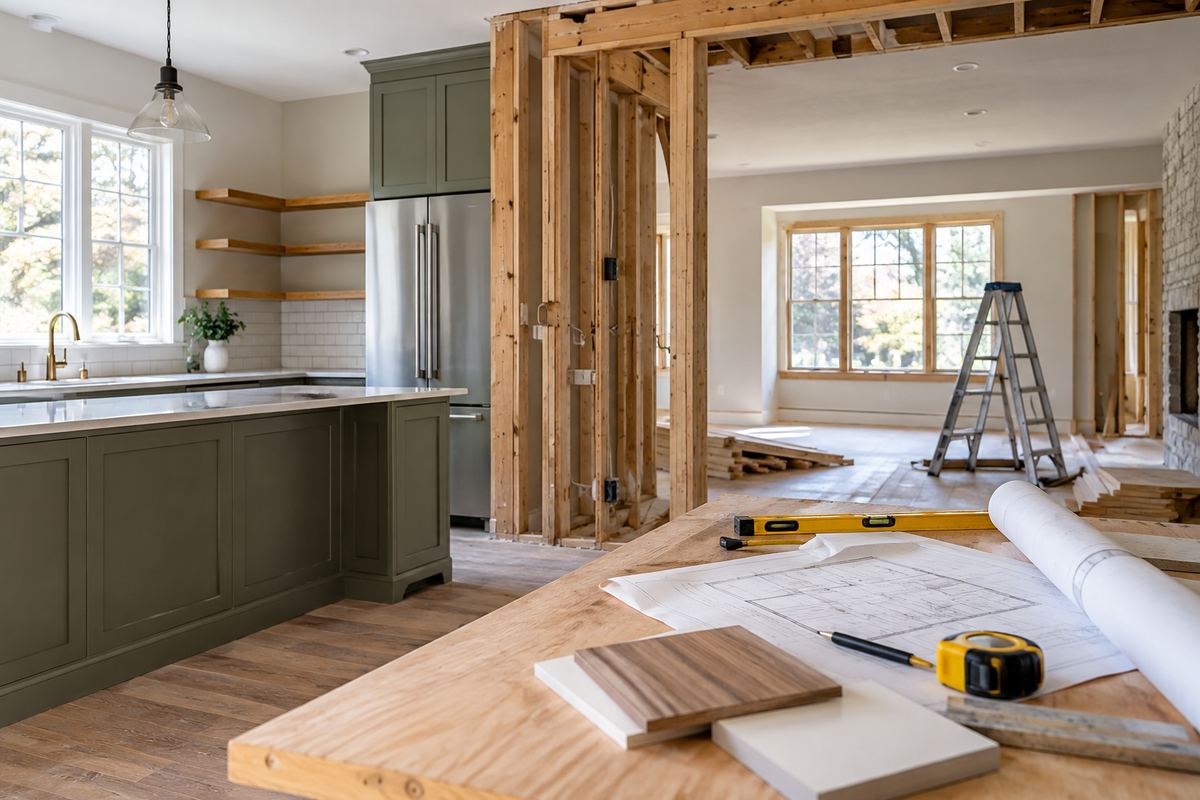
Common Remodeling Mistakes Homeowners Can Avoid
Planning mistakes that can create delays, change orders, or disappointing results during a home remodel.
-
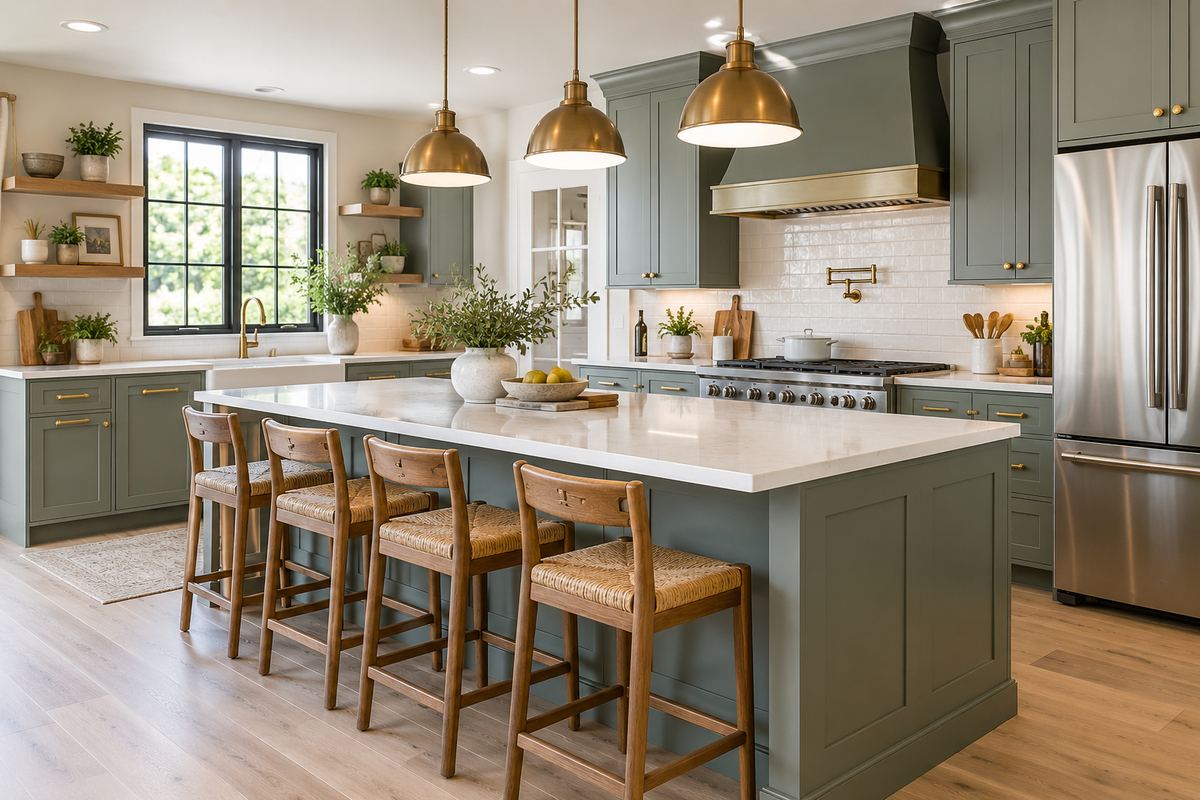
Kitchen Remodel Budget Priorities: Where to Focus First
How to organize a kitchen remodel budget around function, durability, and the changes that matter most.
-
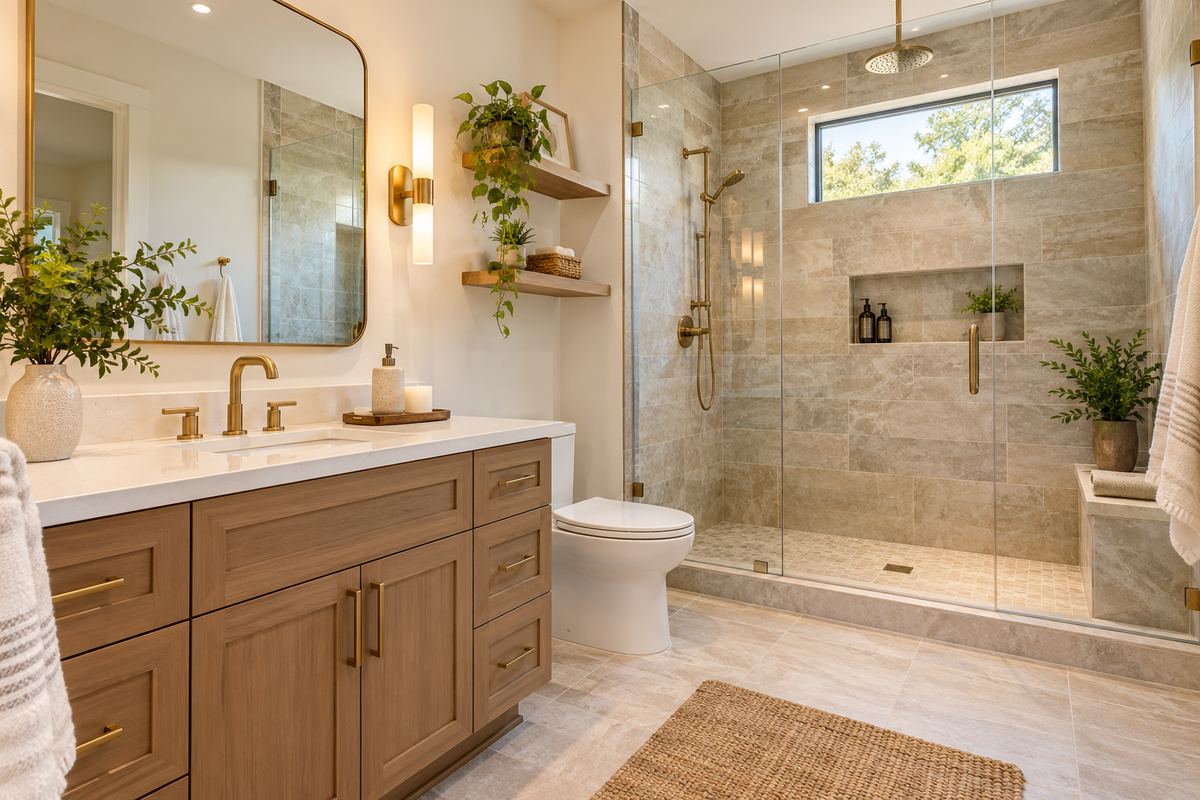
Bathroom Remodel Planning Checklist: What to Decide First
A practical order for planning a bathroom remodel before finishes and fixtures start taking over the conversation.
Get Smarter About Your Home
Free home improvement tips, useful updates, cost guides and savings ideas.