Signs Your HVAC Ducts May Be Leaking: What Homeowners Can Check First
Uneven rooms, weak airflow, dusty areas and rising heating or cooling costs can point to duct problems. Here is what to check before assuming the HVAC equipment itself is failing.

Uneven rooms, weak airflow, dusty areas and rising heating or cooling costs can point to duct problems. Here is what to check before assuming the HVAC equipment itself is failing.
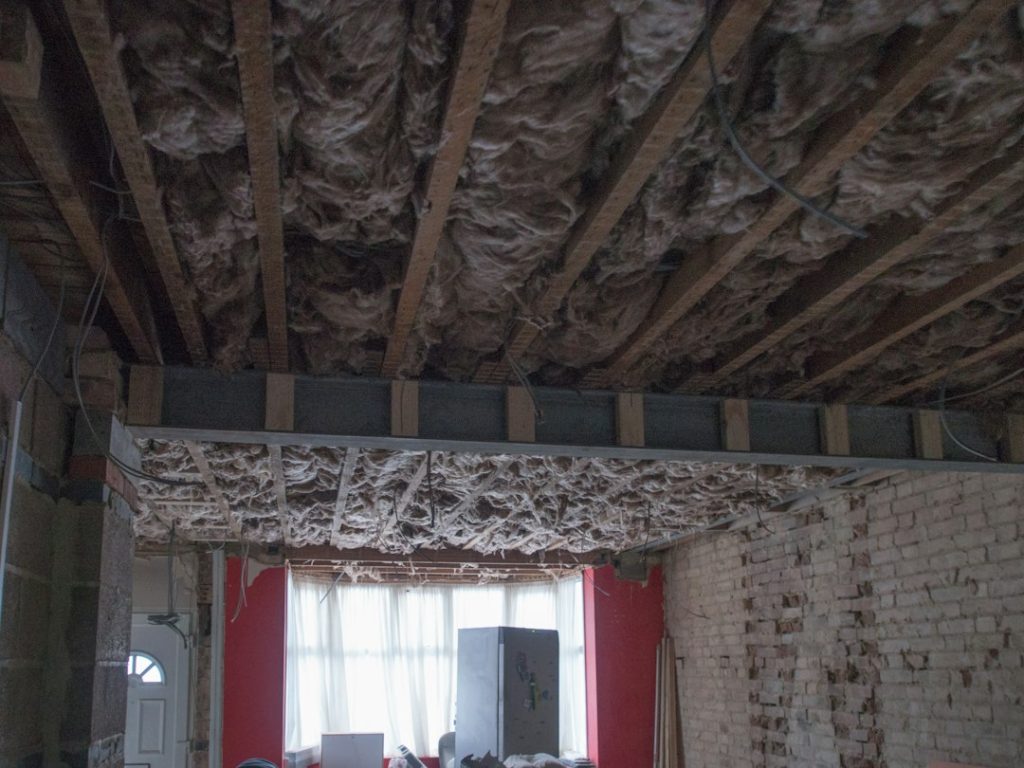
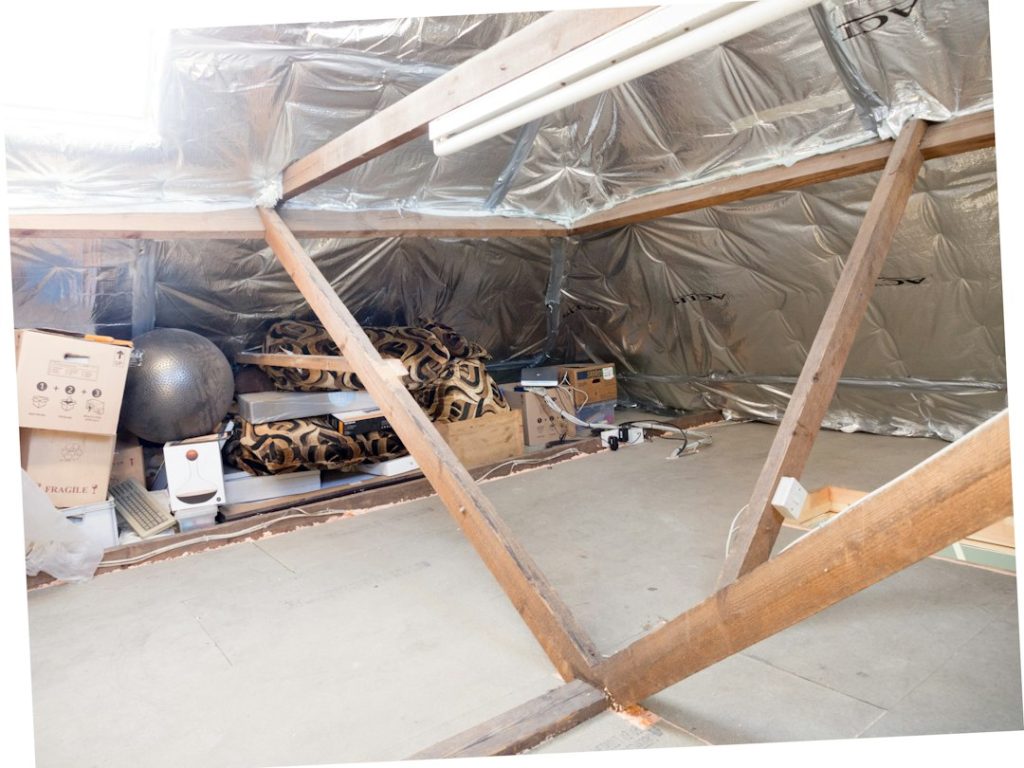
R-value measures resistance to heat flow, but insulation performance also depends on coverage, air sealing, moisture and installation quality.
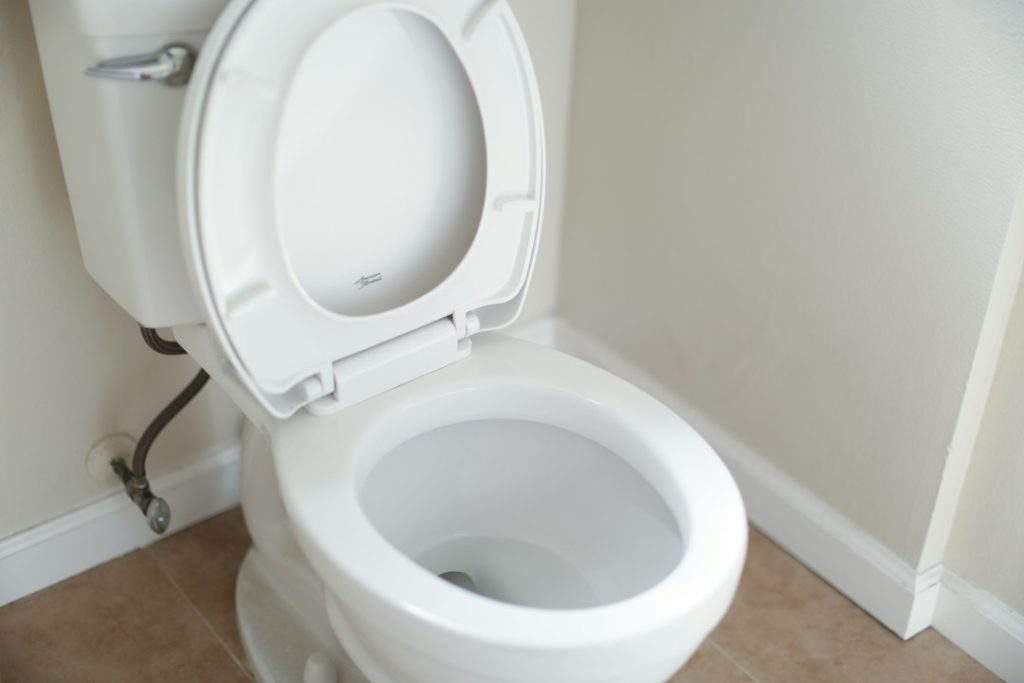
A toilet can leak without making much noise. EPA WaterSense recommends a simple dye test to see whether tank water is slipping into the bowl.
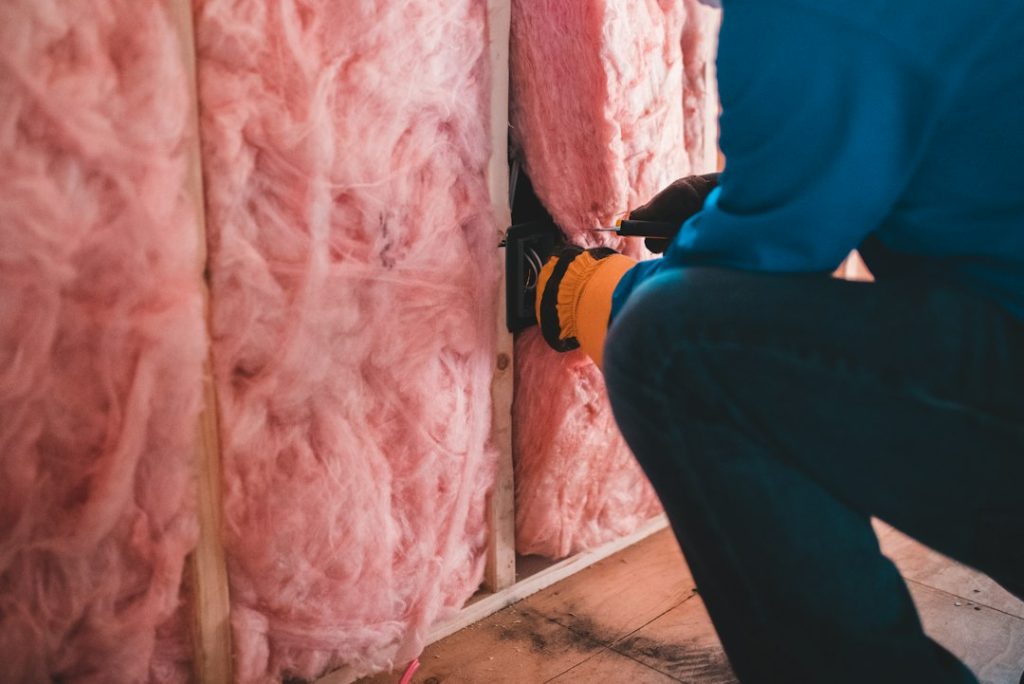
Insert replacement windows preserve more of the existing frame. Full-frame replacement exposes the rough opening. Here is why that difference matters.
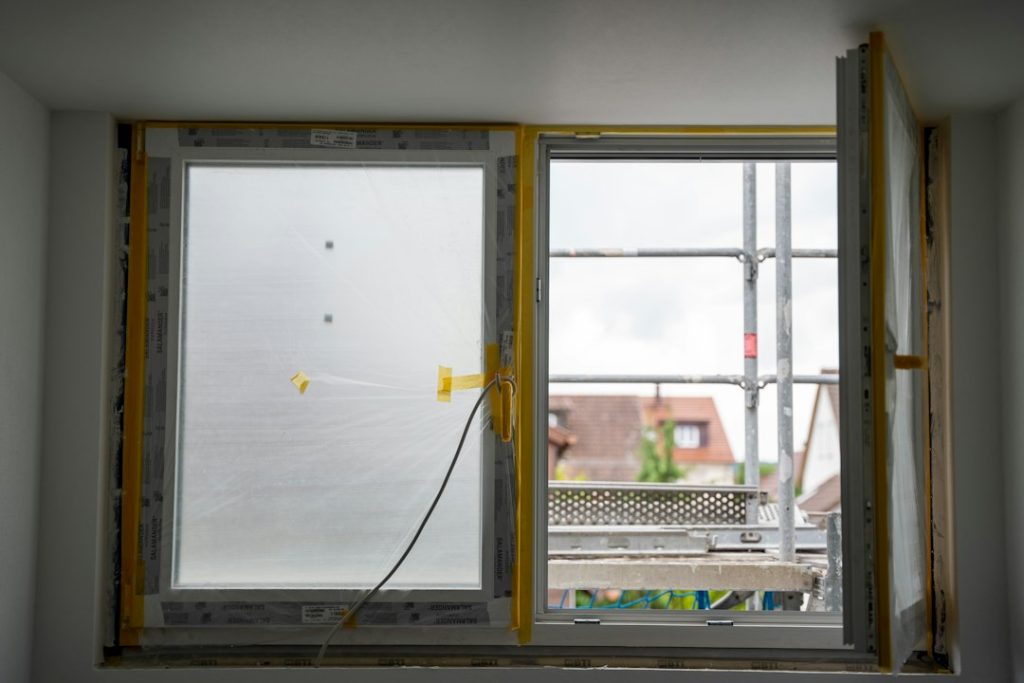
Not every draft means you need new windows. Learn how to separate worn weatherstripping, frame gaps and failing window assemblies before paying for replacement.
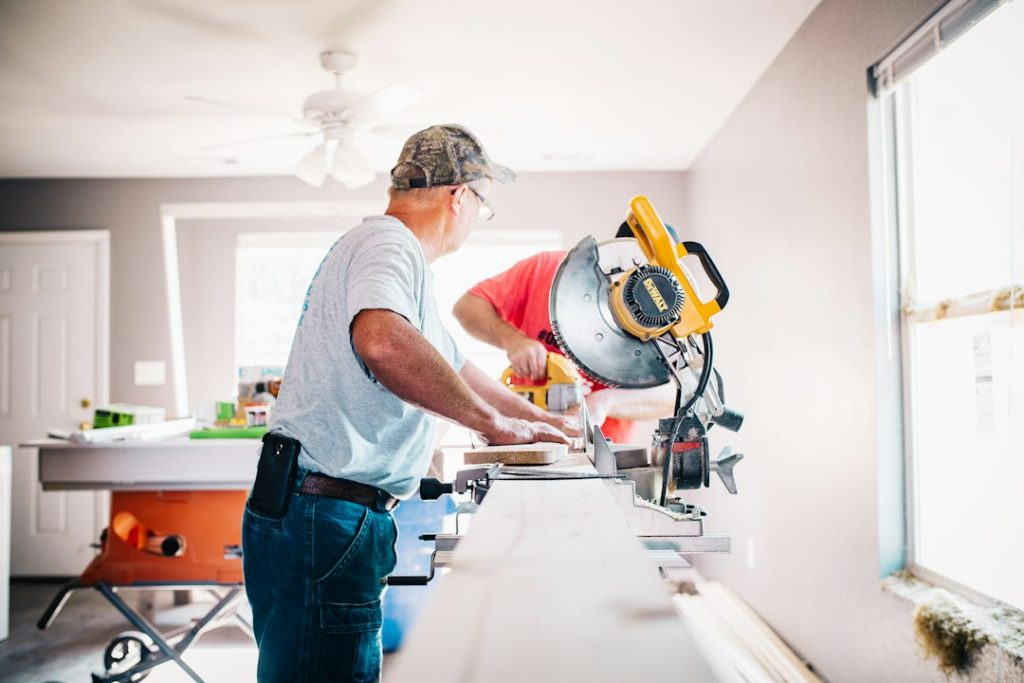
Permit rules vary by location, but the questions are predictable. Clarify responsibility, inspections, drawings and final approval before demolition begins.
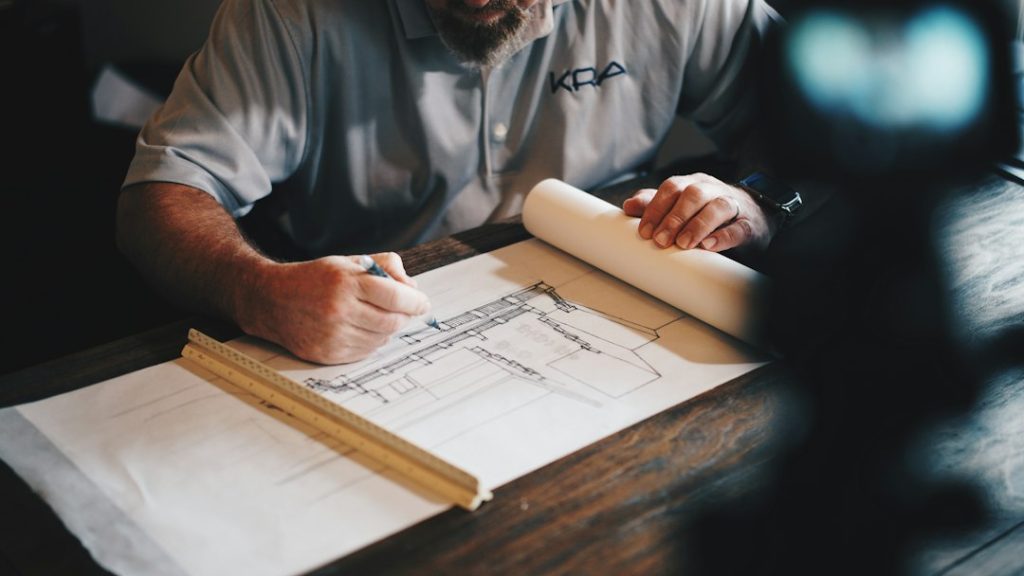
A change order can protect both homeowner and contractor when the scope changes. The key is documenting cost, schedule and exactly what is different before work continues.
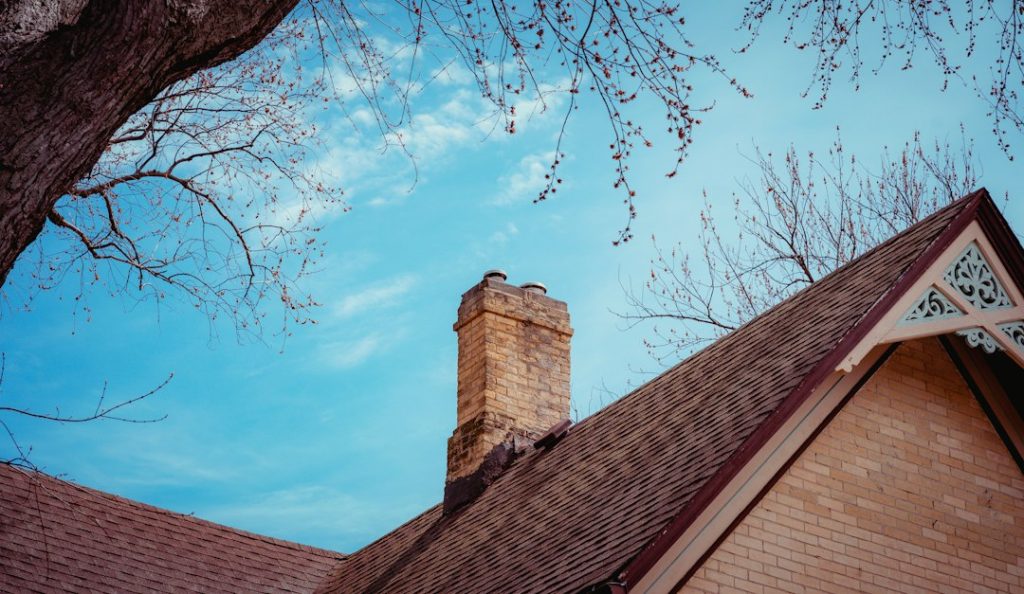
Flashing manages water where a roof meets walls, chimneys, skylights and other penetrations. Small defects can create leaks far from the obvious source.
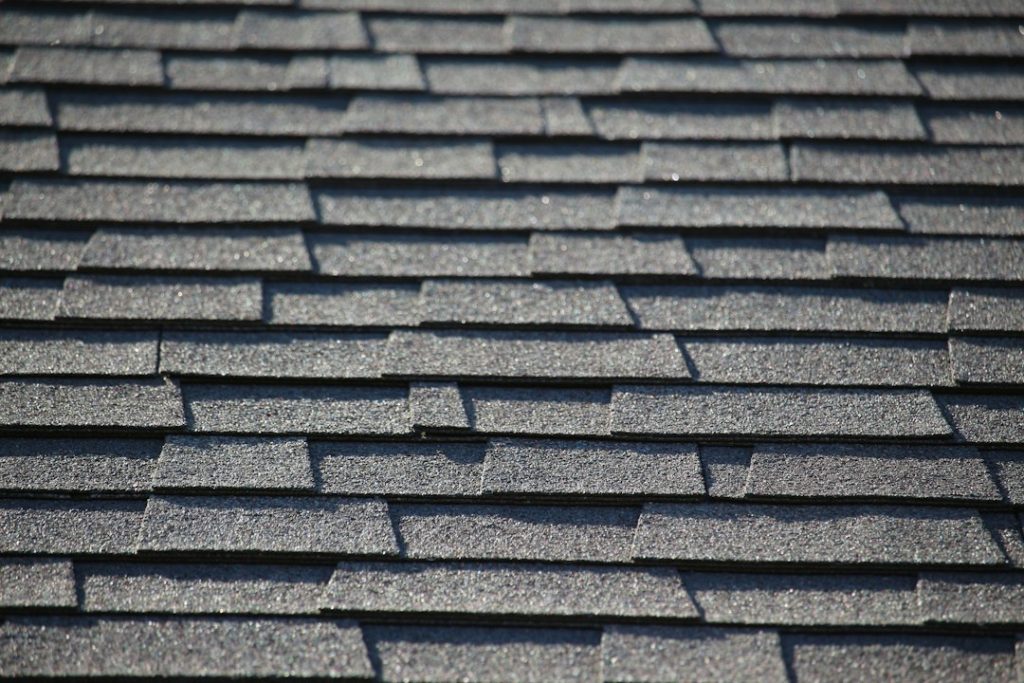
Finding roof granules in a gutter does not automatically mean your roof is failing. Here is how to judge the pattern and what other signs matter.
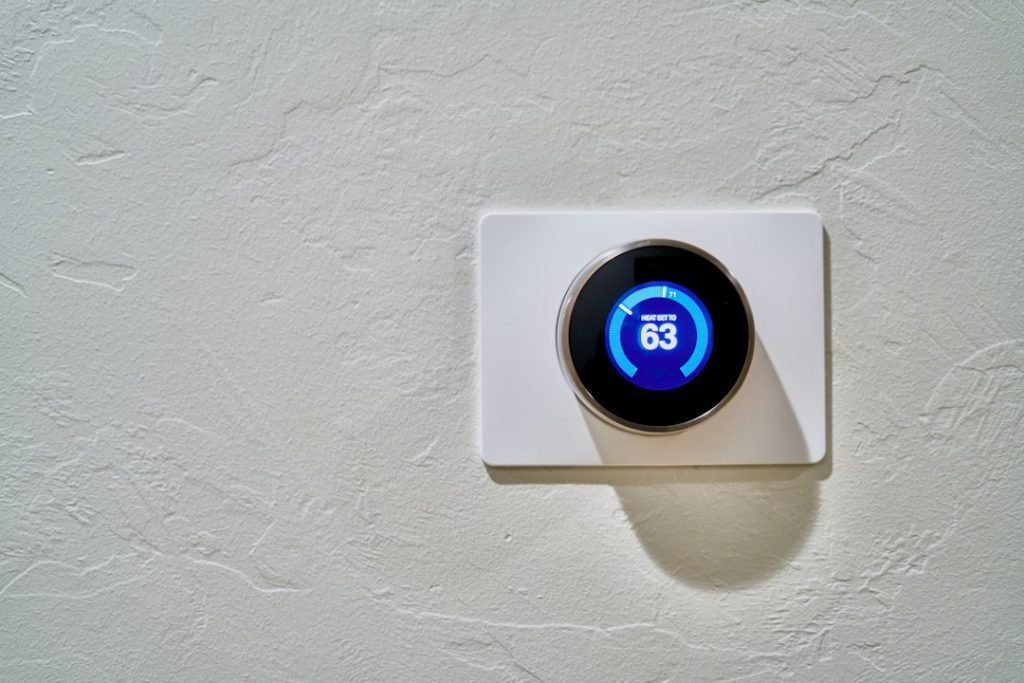
Frequent short heating or cooling cycles are worth investigating. Filters, thermostat location, airflow, equipment sizing and system faults can all play a role.