 Best of Artisans
Roof Drip Edge: What It Does and Why the Roof Edge Needs It
The narrow metal at the roof edge helps direct water away from vulnerable wood and supports a cleaner transition into the gutter.
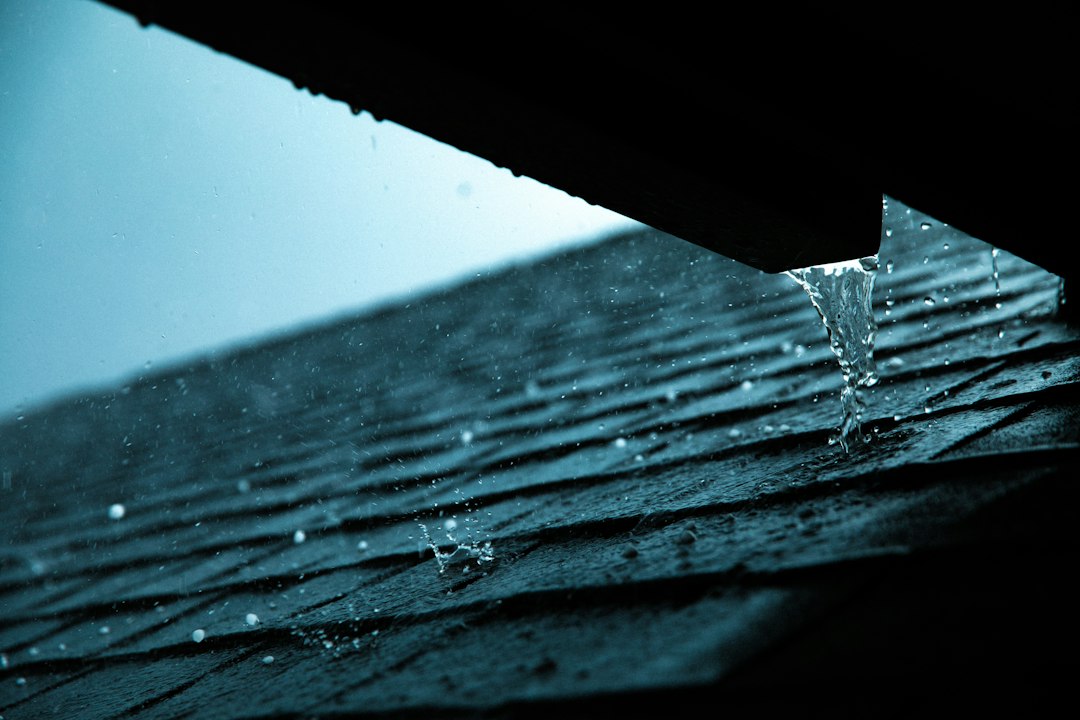
Drip edge is easy to overlook because only a small part of it is visible. But this metal flashing helps manage water at roof eaves and rake edges, where runoff can otherwise reach the roof deck, fascia or the gap behind a gutter.
What Drip Edge Is
Drip edge is metal flashing installed along roof edges. It extends over the roof edge and down so water is encouraged to leave the roof system instead of curling back toward exposed wood.
Why Eaves and Rakes Need Protection
Roof edges face repeated runoff, wind-driven rain and, in some climates, ice.
How It Works With Gutters
At an eave, the drip edge and gutter should work together so runoff enters the gutter rather than slipping behind it.
Signs the Drip Edge May Be Damaged or Missing
Possible clues include exposed roof-deck edges, peeling or swollen fascia, water streaks behind gutters, sections of metal that are bent upward, or gaps where the edge flashing should be continuous.
Do Not Judge the Detail From the Ground Alone
Some parts of the flashing are intentionally hidden under roofing materials. A roofer can confirm whether the assembly is correct.
When Roof Replacement Is the Best Time to Correct It
If a roof is being replaced, the edge detail is accessible and can be integrated with the underlayment and new roofing.
Our Practical Take
Think of drip edge as part of the roof’s drainage path. Gutters collect water after it leaves the roof; drip edge helps water make that transition without reaching vulnerable roof-edge materials.
Related Reading
Read Gutters Overflowing in Heavy Rain?, Roof Valleys, and more Roofing guides.
Sources
U.S. Department of Energy — Drip Edge at Roof Eaves and Rakes
Get Free Daily Home Tips & Updates
Practical maintenance, repair, renovation and buying guidance from Best of Artisans.