 Best of Artisans
Attic Ventilation vs. Air Sealing: Why Your Roof May Need Both
Ventilation and air sealing solve different problems. Understanding the difference can help homeowners avoid trying to fix attic moisture or winter roof issues with vents alone.
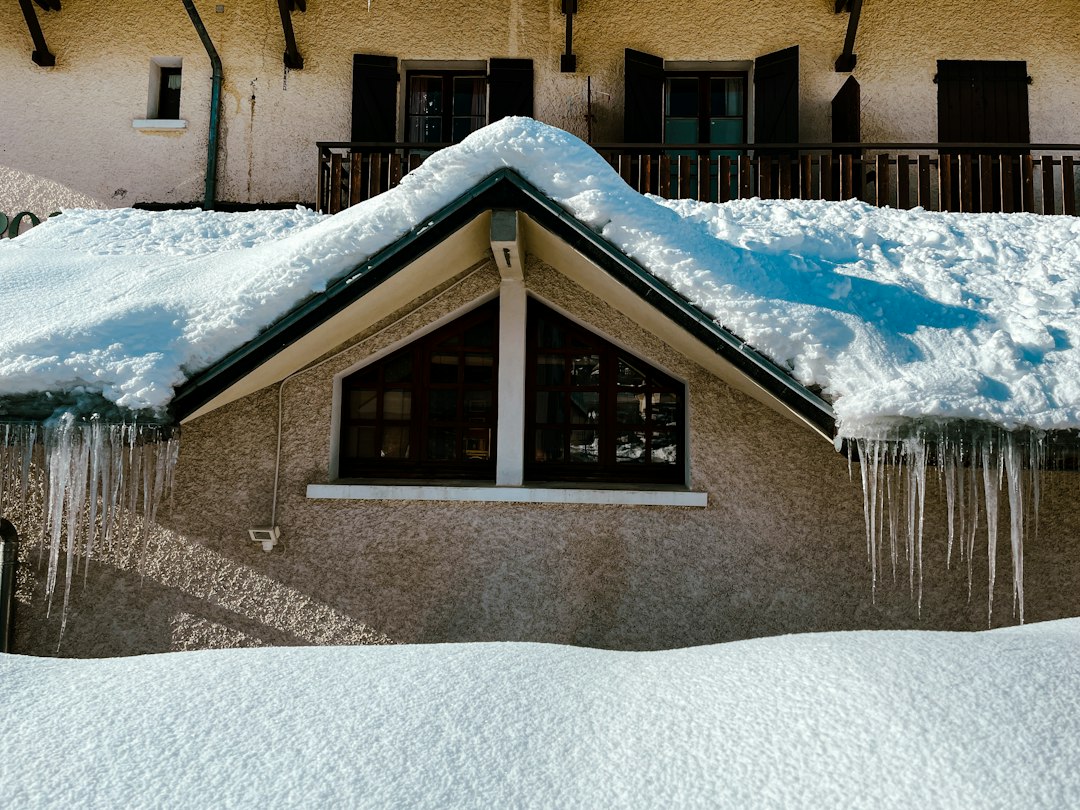
Homeowners often hear that an attic “needs to breathe,” but adding vents is not a substitute for sealing unwanted air leaks from the living space below.
What Air Sealing Does
Gaps around wiring, plumbing, attic hatches and ceiling fixtures can allow warm indoor air to escape into an attic. Sealing those pathways reduces uncontrolled air movement.
What Insulation Does
Insulation slows heat flow between the conditioned rooms and the attic. Gaps, compressed insulation and thin areas can reduce performance.
What Ventilation Does
In a conventional vented attic, soffit and ridge or roof vents provide an intentional path for outdoor air. The exact design depends on the roof and local building requirements.
Why More Venting Is Not Always the First Fix
If warm, moist indoor air is leaking heavily into the attic, simply adding more vents may not correct the source. Air leakage and insulation should be evaluated as part of the same system.
Watch for Moisture Clues
Staining, damp insulation, frost on roof nails, musty odors or recurring condensation deserve attention. Roof leaks must also be ruled out.
Our Practical Take
Before paying for additional roof vents, ask whether the attic has been checked for ceiling air leaks and insulation gaps. A whole-assembly diagnosis is usually more useful than treating one component in isolation.
Related Reading
See our attic moisture guide, R-value guide, and ice dam guide.
Source
U.S. Department of Energy — Energy Renovations: Insulation Guide
Get Free Daily Home Tips & Updates
Practical maintenance, repair, renovation and buying guidance from Best of Artisans.