 Best of Artisans
Ice Dams on a Roof: Why They Form and What Homeowners Can Do Before Winter
Ice dams are not just a gutter problem. Heat escaping into the attic can melt roof snow, which refreezes at colder roof edges and can push water where it does not belong.
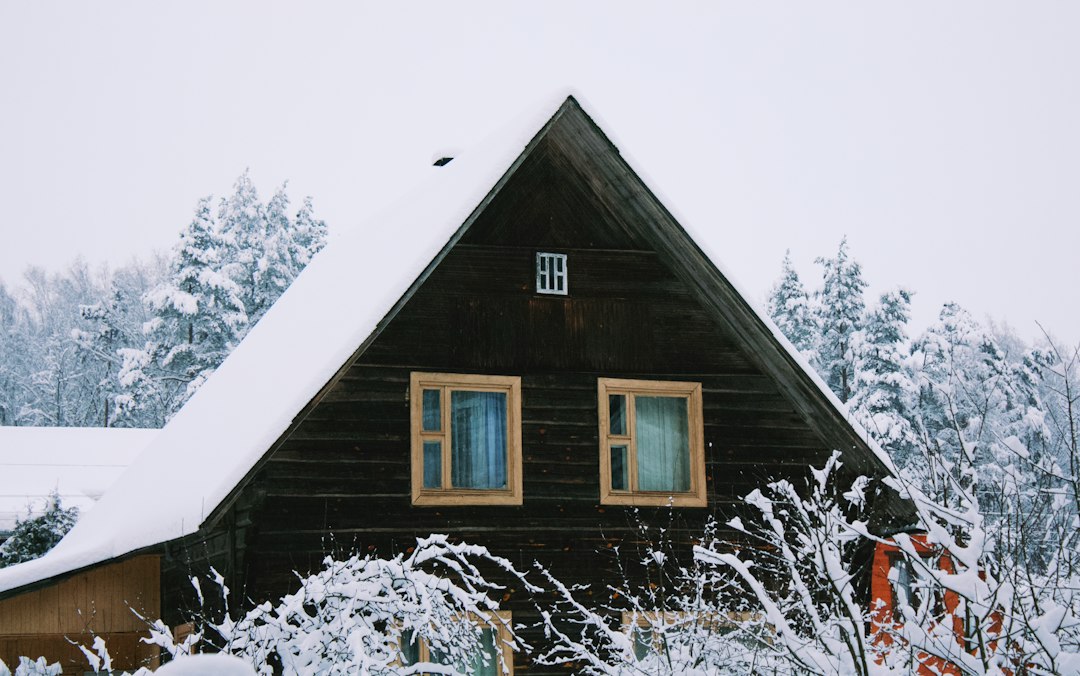
Ice dams form when snow melts on a warmer part of the roof and then refreezes near a colder eave. As ice builds, additional meltwater can back up behind it.
Why the Upper Roof Can Be Warmer
Warm indoor air can leak through ceiling penetrations, attic hatches and gaps around fixtures. That heat can warm the roof deck enough to melt snow even while outdoor temperatures remain below freezing.
Why the Eaves Refreeze First
The roof edge extends beyond the heated part of the house and stays colder. Meltwater reaching that area can freeze and gradually build a ridge of ice.
What to Look for From the Ground
Large icicles, thick ice along the eaves or a pattern where snow disappears from the upper roof while remaining near the edge can justify a closer attic and roof assessment.
Do Not Treat the Symptom as the Whole Problem
Chipping ice from a roof can damage roofing materials and create a fall or impact hazard. Avoid climbing onto an icy roof. Address the underlying attic heat flow instead.
Air Sealing and Insulation Work Together
The U.S. Department of Energy describes an airtight ceiling plane, strong insulation coverage and appropriate roof-deck ventilation as important parts of ice-dam control in vented attics.
Our Practical Take
If a home develops ice dams repeatedly in the same locations, photograph the pattern from the ground. That can help an insulation or roofing professional trace likely attic heat-loss areas.
Related Reading
Review our attic insulation guide, attic moisture checklist, and roofing resources.
Source
U.S. Department of Energy — Insulation Guide / Ice Dam Prevention
Get Free Daily Home Tips & Updates
Practical maintenance, repair, renovation and buying guidance from Best of Artisans.