 Best of Artisans
The 10-Minute Toilet Dye Test: How to Find a Silent Leak
A toilet can leak without making much noise. EPA WaterSense recommends a simple dye test to see whether tank water is slipping into the bowl.
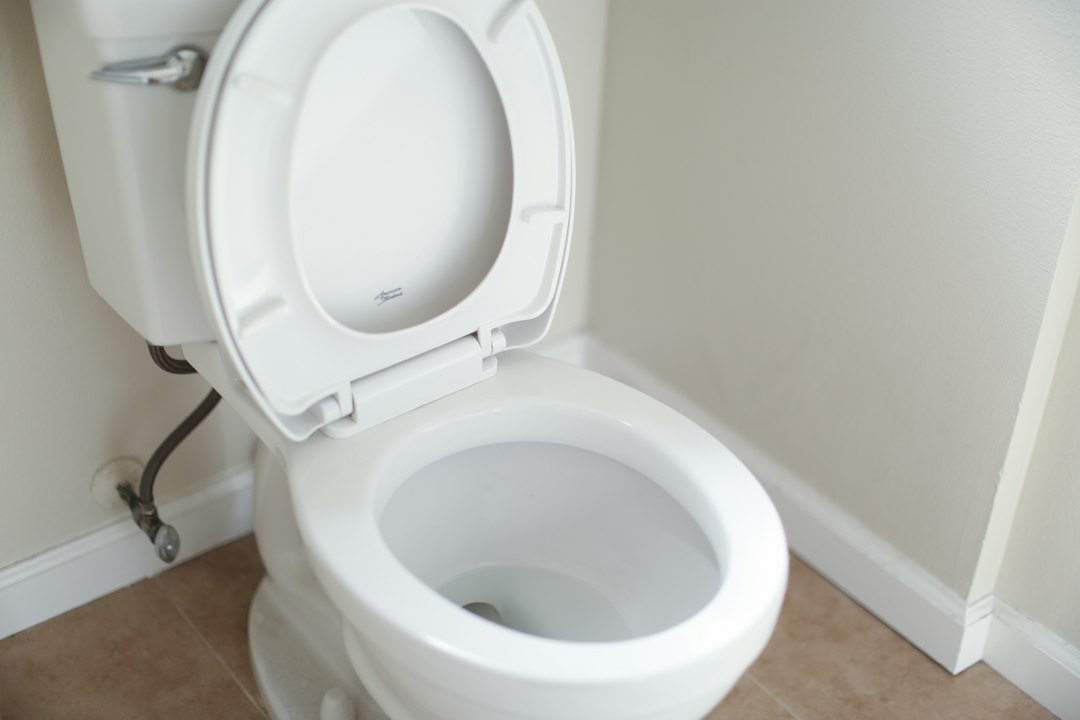
A toilet does not have to run loudly to waste water. A worn flapper or flush-valve seal can allow water to move slowly from the tank into the bowl, causing the fill valve to replace that water again and again.
How to Do the Test
- Remove the tank lid carefully.
- Add a few drops of food coloring or a dye tablet to the tank water.
- Do not flush.
- Wait about 10 minutes.
- Look in the bowl. If colored water appears, there is a leak between the tank and bowl.
- Flush after the test so dye does not sit in the tank.
The Flapper Is a Common Cause
EPA WaterSense notes that worn toilet flappers are a common source of leaks. Mineral buildup, age or a poor seal can keep the flapper from closing tightly after a flush.
Check the Chain and Water Level Too
A chain that is too tight can hold the flapper slightly open. Water flowing continuously into the overflow tube can point to a fill-valve or water-level issue rather than the flapper alone.
When Replacement Is Straightforward
Many flappers are inexpensive and designed for homeowner replacement, but the correct size and type matter. Match the replacement to the toilet or flush-valve design rather than assuming every flapper is universal.
When to Call a Plumber
Call for help if the toilet rocks, leaks onto the floor, the tank or bowl is cracked, the shutoff valve does not work, or replacing the obvious tank parts does not stop the problem.
Our Practical Take
This is one of the easiest plumbing checks to add to a yearly home-maintenance routine. It takes minutes, costs almost nothing and can reveal a leak that would otherwise stay hidden.
Related Reading
Try our two-hour water-meter leak test, review water-heater temperature tradeoffs, and browse our Plumbing guides.
Source
Get Free Daily Home Tips & Updates
Practical maintenance, repair, renovation and buying guidance from Best of Artisans.