Roof Ventilation Basics: Intake, Exhaust, and Why Balance Matters
A homeowner-friendly look at how attic airflow works and what can interfere with it.
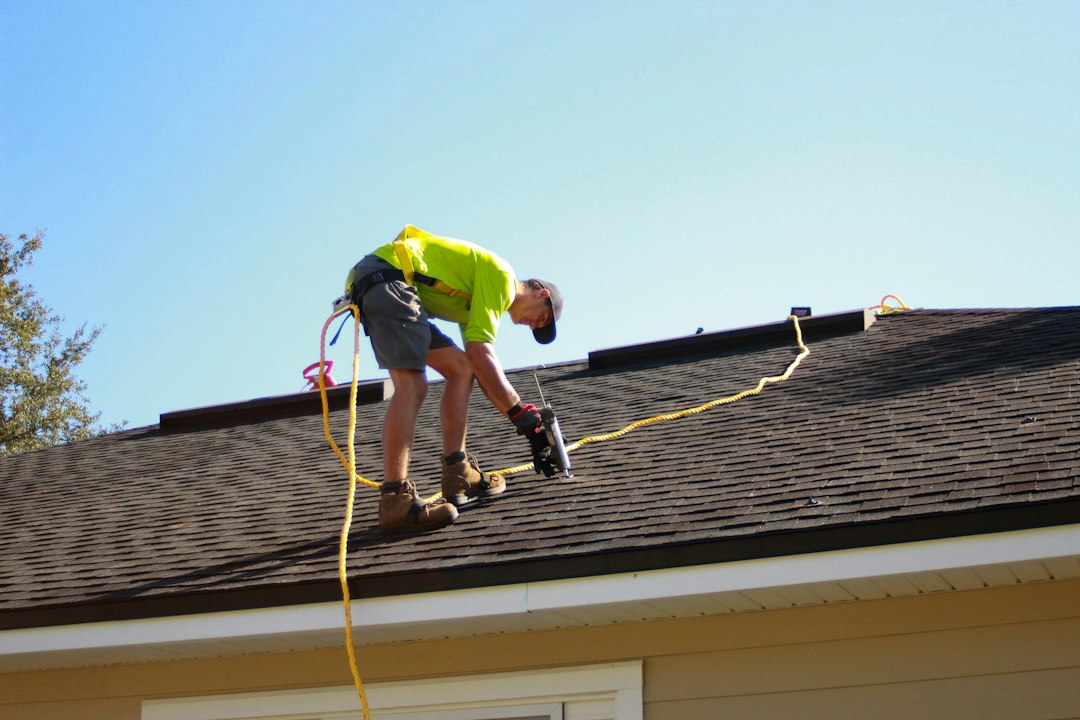
Roof ventilation helps move heat and moisture through an attic or roof assembly. A good system is not simply about adding more vents. Intake and exhaust need to work together, and insulation should not block the intended airflow paths.
Quick takeaway: Balanced ventilation usually depends on clear intake openings near the lower roof edge and exhaust openings higher on the roof. A large exhaust vent cannot do its job well if fresh air has no clear path in.
What Intake and Exhaust Vents Do
Intake vents typically bring outside air into the lower part of the attic, often through soffit or edge vents. Exhaust vents allow warmer, moisture-laden air to leave higher in the roof. Ridge vents, roof vents, and some powered systems can serve that exhaust role depending on the design.
Why Balance Matters
Adding exhaust without enough intake can create uneven airflow and may pull air from places that were not intended to supply it. Likewise, generous intake openings do little if the exhaust path is restricted. The goal is a clear, continuous path rather than the highest possible number of vents.
Check for Blocked Soffits and Baffles
Insulation can sometimes cover soffit openings inside the attic. Baffles or ventilation chutes are often used to keep an air channel open between the soffit and the roof deck. From a safe location, look for obvious blocked openings, damaged vent screens, or heavy debris.
Clues That Ventilation Deserves Attention
Persistent attic moisture, musty odors, visible condensation, unusual heat buildup, or recurring ice-related roof problems in cold climates can justify a closer inspection. These signs can have more than one cause, so ventilation should be considered alongside insulation, air sealing, and roof condition.
Avoid Guessing From the Roof Surface
You usually do not need to climb onto the roof to evaluate basic ventilation concerns. Ground-level observations, attic checks from a safe access point, and professional inspection are more useful than walking on roofing materials without the right equipment.
Bottom Line
Roof ventilation works best as a system. Clear intake, effective exhaust, and unobstructed airflow matter more than any single vent product. If moisture or heat problems persist, have the roof and attic evaluated together rather than changing one component in isolation.
Related Articles
-
Roof Repair or Replacement? How to Think Through the Decision
A practical way to compare roof repair and full replacement without jumping to the most expensive option.
-

A Practical Roof Maintenance Checklist for Homeowners
Simple roof and exterior checks that can help you spot small issues before they turn into larger repairs.
-

How Much Does a Metal Roof Cost in 2026? What Homeowners Should Know
A practical guide to metal roof costs in 2026, the factors that change your price, and what to…
Get Smarter About Your Home
Free home improvement tips, useful updates, cost guides and savings ideas.