When Should You Consider Replacing Your Windows?
Signs that can help homeowners decide whether window repair, maintenance, or replacement deserves a closer look.
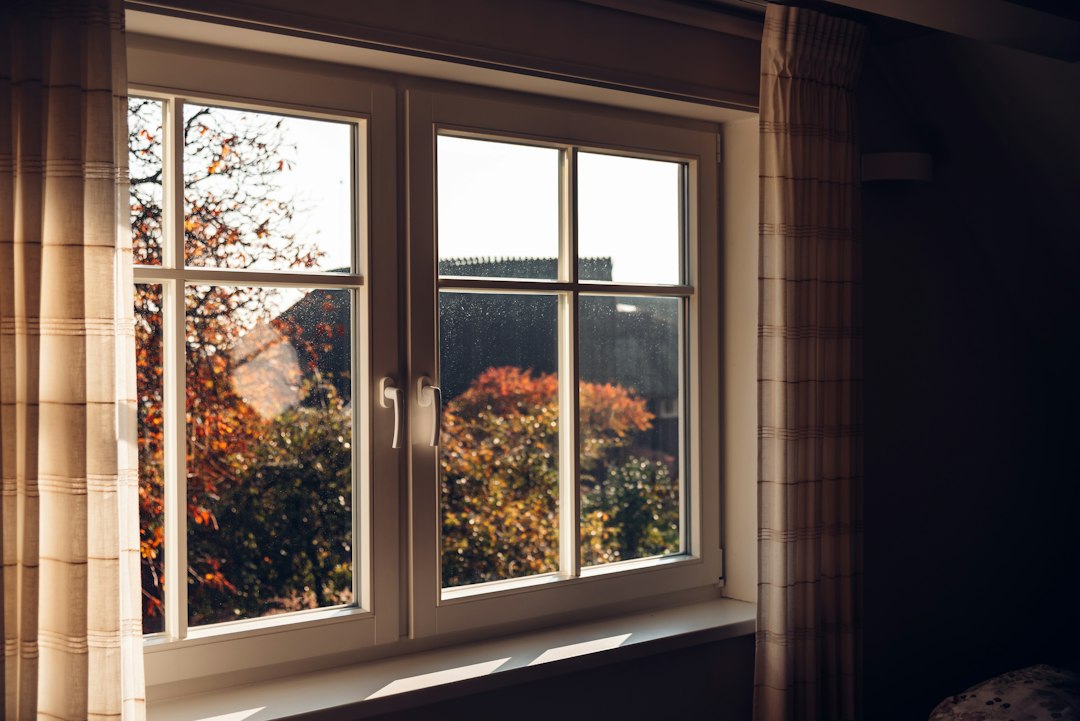
Windows do not need to be replaced simply because they are older. The better question is whether they still operate properly, keep water out, control drafts reasonably, and meet the comfort goals of the home.
Quick takeaway: Separate window problems into four groups: operation, water management, air leakage, and glass or frame condition. That makes it easier to decide what kind of fix is appropriate.
Difficulty Opening or Closing
Windows that bind, refuse to lock, or no longer stay open can have hardware, alignment, balance, or frame problems. Some of these issues can be repaired without replacing the entire window.
Water Intrusion or Rot
Recurring moisture around a window should be investigated carefully. The source can involve the window itself, flashing, exterior cladding, sealant, or nearby drainage. Replacing the window without fixing the water path may not solve the problem.
Persistent Drafts and Comfort Problems
Air leakage can come from the window assembly or from gaps around the installation. Weatherstripping and air sealing may help in some cases; other windows may have broader frame or installation issues.
Damaged Glass or Failed Seals
Fogging between panes can indicate a failed insulated-glass seal. Depending on the window, replacing the glass unit may be possible without replacing the full frame.
Bottom Line
Replacement makes the most sense when problems are widespread, repair options are limited, or the windows no longer meet the home’s needs. A careful diagnosis can prevent replacing more than necessary.
Related Articles
-

Double-Pane vs. Triple-Pane Windows: What Changes?
A clear comparison of double-pane and triple-pane windows for comfort, noise, cost, and project planning.
-
Why Do Windows Get Condensation?
Understand the difference between indoor surface condensation, exterior condensation, and moisture trapped between panes.
Get Smarter About Your Home
Free home improvement tips, useful updates, cost guides and savings ideas.