 Best of Artisans
Outdoor Faucet Before a Freeze: A Simple Plumbing Checklist for Cold Weather
Outdoor faucets and connected hoses are easy to forget before the first freeze. A few simple checks can reduce the chance of a cold-weather leak.
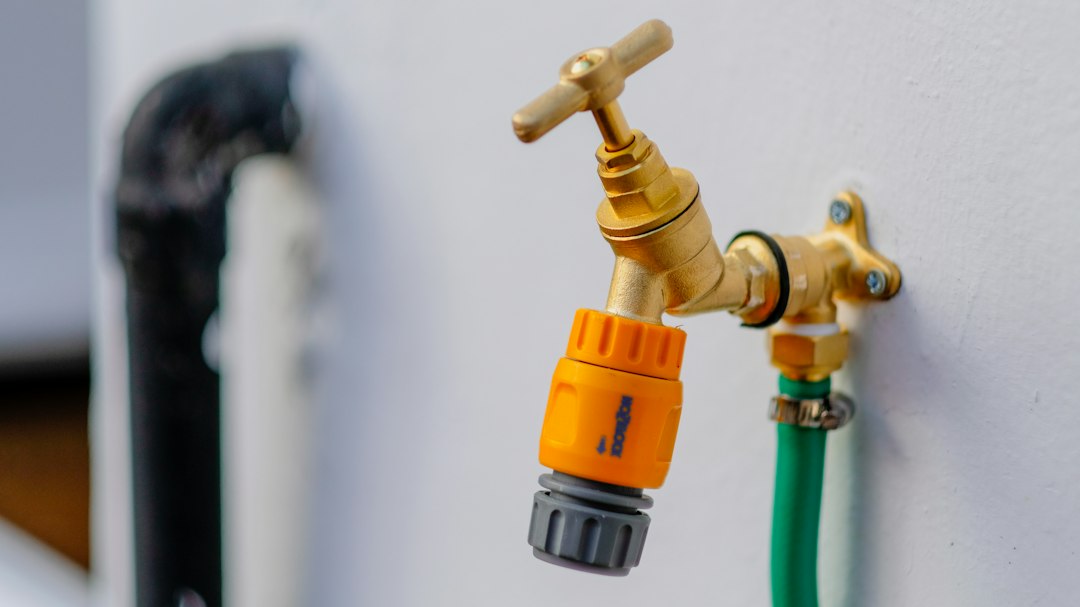
Cold temperatures can damage exposed plumbing and turn a small weakness into a leak. Outdoor faucets deserve attention before the first hard freeze.
Disconnect Garden Hoses
A connected hose can trap water at the faucet and make it harder for certain frost-resistant designs to drain properly. Store hoses where they will not hold standing water.
Find the Indoor Shutoff if Your Home Has One
Some outdoor faucet lines have a dedicated shutoff valve inside. If your plumbing is designed to be drained for winter, follow the correct sequence for that system.
Check for Existing Drips
A faucet that already leaks should be repaired before freezing weather. EPA WaterSense notes that cold temperatures are one of several factors that can contribute to household leaks.
Protect Exposed Piping
Visible pipes in unheated areas may need insulation or other cold-weather protection appropriate for your climate and local plumbing practices.
Know Where the Main Water Shutoff Is
If a pipe does burst, knowing how to stop the water quickly can reduce damage. Make sure adults in the household know the shutoff location.
After a Freeze, Look for Changes
When temperatures rise, inspect the faucet and nearby interior area for dripping, moisture or unusual water flow. A freeze-related split may not become obvious until water starts moving again.
Our Practical Take
Add outdoor faucets to the same fall checklist as gutters, HVAC filters and smoke alarms. Seasonal reminders are easier than emergency plumbing.
Related Reading
Read our water-meter leak test, water hammer guide, and more plumbing resources.
Source
U.S. EPA WaterSense — Leak Detection and Flow Monitoring Devices
Get Free Daily Home Tips & Updates
Practical maintenance, repair, renovation and buying guidance from Best of Artisans.