How to Reduce the Risk of Plumbing Leaks
Simple homeowner habits that can help catch small plumbing leaks before they cause larger damage.
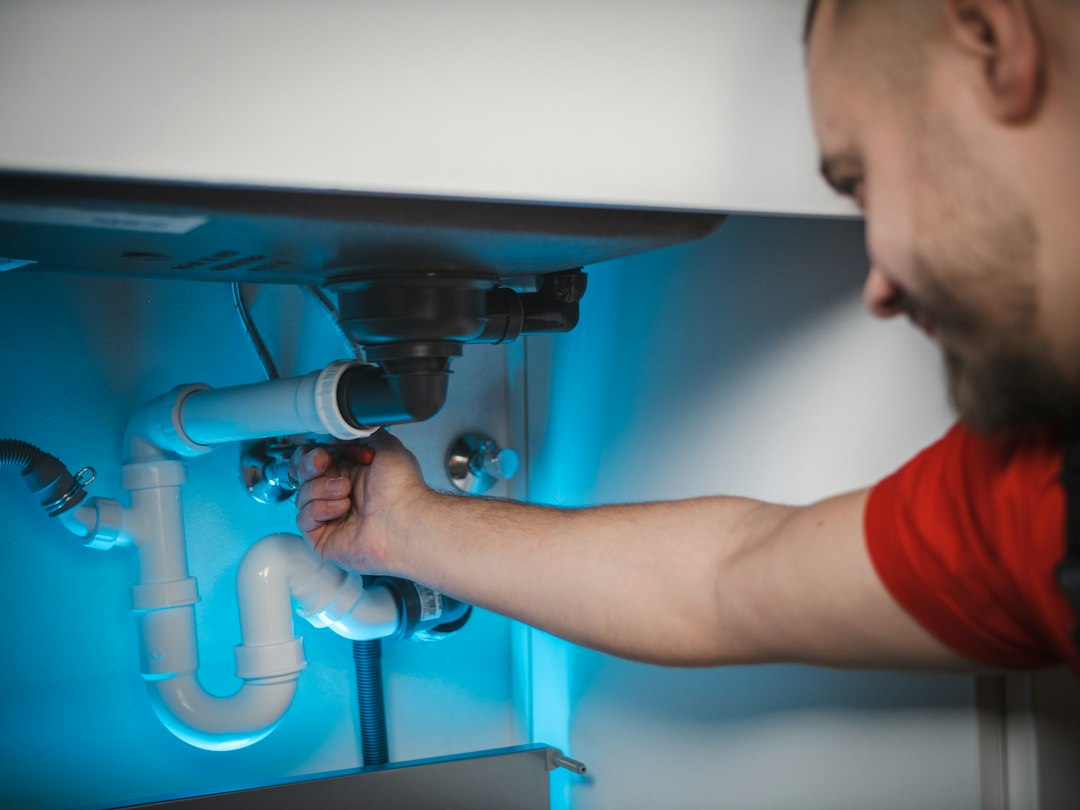
Many plumbing leaks start small. Regularly looking at the places where water enters, drains, and connects to appliances can help you notice changes before they damage cabinets, walls, or flooring.
Quick takeaway: Know where the main water shutoff is and make sure adults in the home know how to use it. In a sudden leak, a quick shutoff can limit damage.
Look Under Sinks and Around Toilets
Check for damp cabinet floors, staining, corrosion, loose supply connections, or recurring moisture. Around toilets, pay attention to movement at the base or water that returns after it is wiped away.
Inspect Appliance Supply Lines
Washing machines, refrigerators, dishwashers, and other water-connected appliances rely on hoses and fittings. Check accessible connections for swelling, corrosion, cracking, or moisture.
Pay Attention to Your Water Use
A noticeable increase in water use without a clear reason can be a clue. Compare bills over time and investigate unexplained changes rather than assuming they are normal.
Do Not Ignore Slow Drains
A slow drain is not always an emergency, but repeated clogs or gurgling can indicate a developing drainage problem. Avoid repeatedly using harsh methods without understanding the cause.
Bottom Line
Leak prevention is mostly about inspection and fast response. Small changes are easier and less expensive to investigate before they become obvious water damage.
Related Articles
-

Low Water Pressure at Home: What to Check First
A practical checklist for narrowing down low water pressure before you call a plumber.
-
Water Heater Warning Signs Homeowners Should Notice
Common clues that a water heater may need maintenance, repair, or professional inspection.
Get Smarter About Your Home
Free home improvement tips, useful updates, cost guides and savings ideas.