
Water Leak Sensor or Whole-House Monitor? Choose by Where the Water Goes
A puddle under the sink and water running through an empty house leave different clues. Pick the device that can detect the problem you actually want to catch.
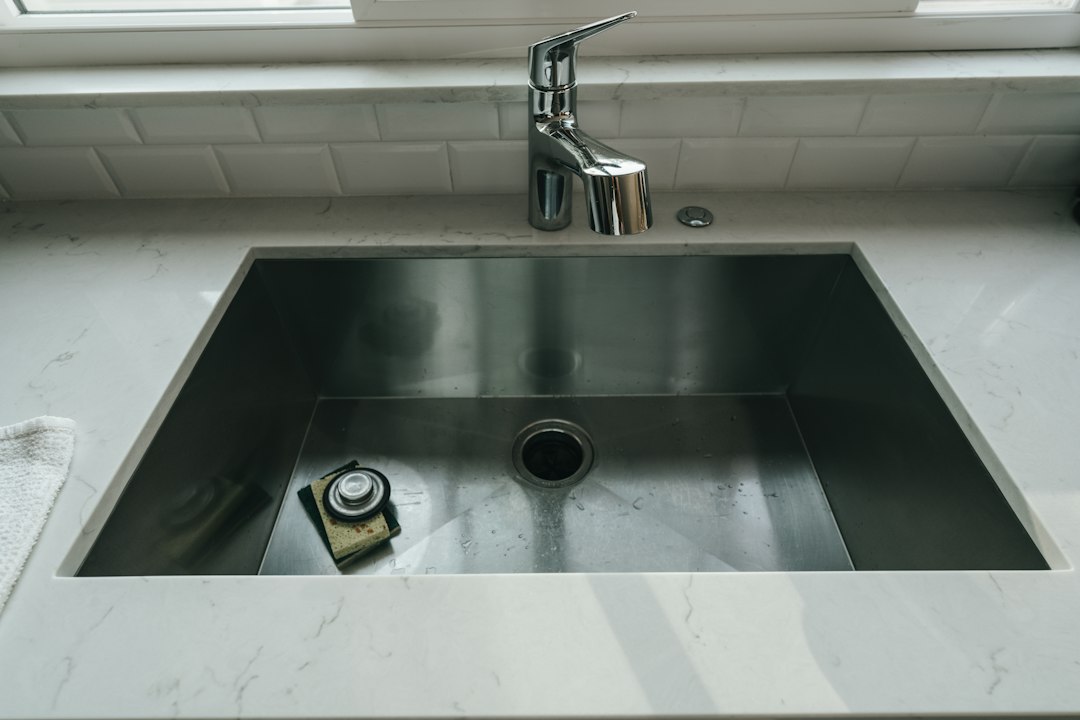
Imagine two leaks in the same kitchen. In the first, the sink drain drips into the cabinet each time someone empties the basin. In the second, a supply line quietly runs water while the family is away. A sensor on the cabinet floor can detect the first puddle if the water reaches it. A monitor on the main supply can spot unusual water use in the second case. The distinction matters before you spend money on either.
For a particular wet spot, start with a moisture sensor
A point sensor responds when water reaches its sensing area. Look at the place you want to monitor. Would water from the suspected joint reach the sensor, or would a shelf edge send it down the back of the cabinet? Follow the model’s placement instructions and leave room to reach it for testing and battery changes.
Think about who would hear the alarm. An audible alert can work for someone in the next room. If the house often sits empty, check whether the model can send a phone alert, what connection it needs and who will receive it. For an existing damp cabinet, first use the under-sink inspection guide to locate the water.
For unexplained water use, look at the main supply
A whole-house flow monitor watches water passing its installation point. Depending on the model, it may flag an unusual pattern, notify you or operate a shutoff valve. Ask the seller to show exactly which of those actions the model supports. A main-line monitor may see normal water use while a drain leaks under the sink, and it cannot tell whether rain is entering through a window.
Decide what should happen after the alert
If you want automatic shutoff while away, ask a plumber where the valve would go and which branches it would control. Ask how to reopen it, what happens during a power or internet outage and how the system handles expected long water uses. Write down the answers for the specific device before accepting an installed price.
For a single vulnerable cabinet, a reachable sensor and a person ready to respond may cover the need. For recurring unexplained usage across the property, start by documenting when it happens. Our water meter check can help with that conversation. The EPA WaterSense guide compares detection methods, installation locations and alert options.