
Parking QR Code Scams: The FTC’s 2026 Warning and What to Check First
Scammers can cover a legitimate parking QR code with their own sticker and send drivers to a lookalike payment site.
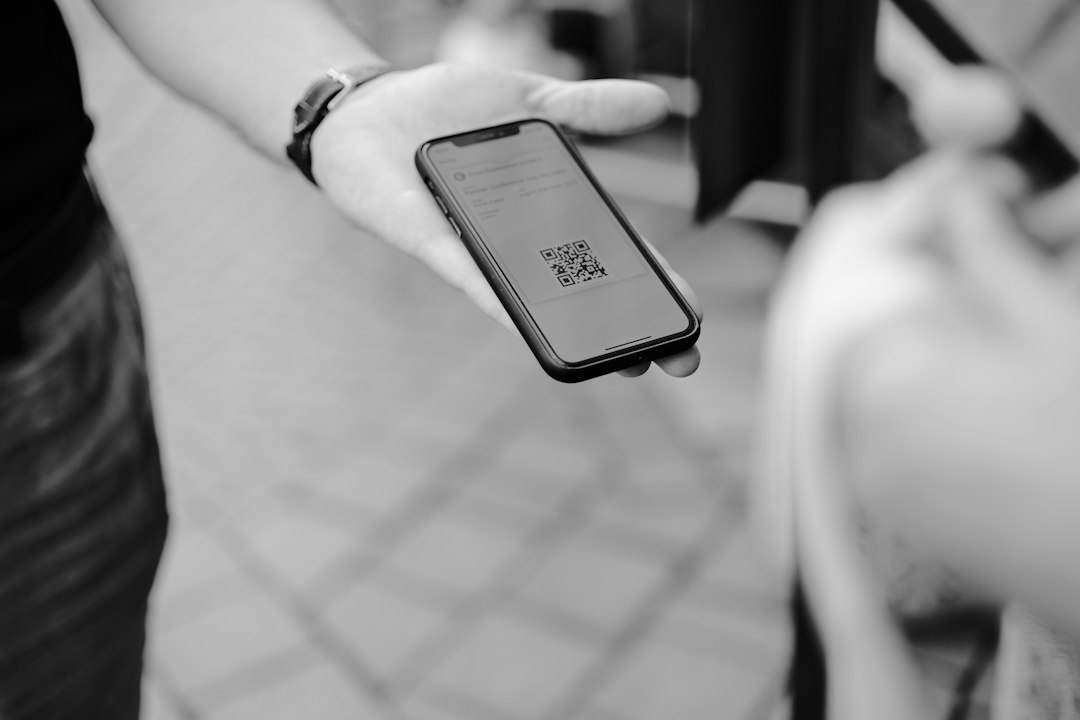
Illustrative image. Use the official notice linked below to identify the specific affected product or listing.
QR codes remove the need to type a long web address, which is exactly what makes a fake one effective. In a September 2026 consumer alert, the FTC warned about scammers placing their own QR codes over legitimate codes on parking meters. A scan can lead to a fake payment page designed to collect money, card details or login information.
Quick Takeaway: Before paying, preview the destination URL and confirm it matches the parking operator. If you already entered credentials or payment data on a suspicious page, change affected passwords and review financial transactions.
How the Parking QR Scam Works
A scammer places a sticker with a fraudulent QR code over or near the real code. The new code can open a website that looks like the parking provider’s payment page but sends the information to the scammer instead.
Preview the Link Before Opening It
Many phone cameras show the destination before you tap. Read the domain carefully. Look for misspellings, extra words, unusual subdomains or a domain that does not match the parking company named on the meter or sign.
Use Another Route to the Payment Page When Unsure
If the QR sticker looks tampered with, open the parking operator’s official app or manually navigate to its known website instead of using the code. You can also check nearby meters for consistent instructions.
Keep the Phone Updated
The FTC also recommends keeping your phone’s operating system and apps updated. Updates will not make a fake payment page legitimate, but they reduce the chance that a malicious link can exploit an old software vulnerability.
If You Scanned a Bad Code
If you entered a username or password, change it immediately and change it anywhere else you reused the same password. Review card and bank transactions for charges you do not recognize. Contact the financial provider quickly if payment information may have been exposed.
Report the Fraudulent Code
Notify the parking operator or local authority so the fake sticker can be removed, and report fraud to the FTC. A fast report can prevent the next driver from using the same code.
Our Practical Take
A QR code should be treated like a shortened link: convenient, but not inherently trustworthy. The safest habit is to confirm the destination domain before entering payment or account information.
Related Reading
See our passkeys and phishing-resistant MFA guide, software update security guide, and more Tech & Tools articles.
Official Source
Get Free Daily Tips & Useful Updates
Practical home guides, savings ideas and useful consumer updates from Best of Artisans.