 Best of Artisans
Drafty Windows: Weatherstripping, Caulk or Replacement?
Not every draft means you need new windows. Learn how to separate worn weatherstripping, frame gaps and failing window assemblies before paying for replacement.
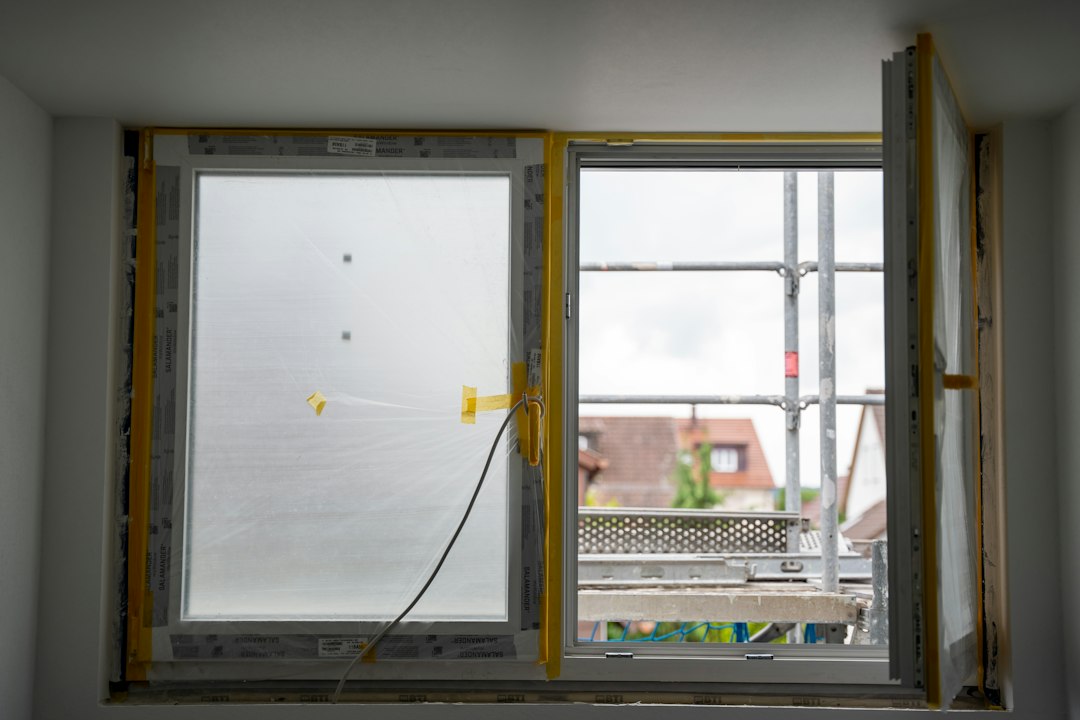
A cold draft near a window can come from several places: worn seals on a moving sash, a gap between the frame and wall, deteriorated caulk, or a window assembly that no longer closes properly. Finding the leak path first can save a lot of money.
Start by Identifying Where Air Is Moving
On a windy day, slowly move your hand around the sash, frame, trim and sill. A tissue or lightweight strip of paper can also help reveal air movement without using a flame.
Drafts around trim can point to the rough opening around the frame, while air between the sash and frame often points to worn or missing weatherstripping.
When Weatherstripping Is the Better Fix
Weatherstripping is designed for components that move, including operable windows and exterior doors. If the sash closes but no longer seals tightly, replacing compressed or damaged weatherstripping may restore the seal.
When Caulk Makes More Sense
Caulk is generally used for stationary cracks and joints. Exterior frame-to-trim joints and interior gaps that do not need to move are common examples. Do not block drainage paths or weep holes designed to move water out of the assembly.
The Rough Opening Can Leak Too
DOE Building Science guidance notes that gaps between a window unit and the framed rough opening can be major air-leakage paths. Proper sealing may involve low-expansion window-and-door foam, backer rod or appropriate sealant.
Signs the Problem Is Bigger Than Air Sealing
- Rotten or structurally damaged frames
- Water intrusion that keeps returning
- Failed hardware that prevents the sash from closing
- Broken insulated glass seals or damaged glazing
- Severe deterioration around the opening
Those conditions may justify repair or replacement rather than another tube of caulk.
Our Practical Take
Before ordering replacement windows, spend ten minutes finding exactly where the draft enters. A small seal problem and a failed window assembly are very different projects. If the frame is sound, targeted air sealing can often be the first thing worth trying.
Related Reading
Learn how to read an NFRC window label, compare low-E storm windows with full replacement, and browse our Windows guides.
Sources
U.S. Department of Energy — Rough Opening Air Sealing
U.S. Department of Energy — Why Energy Efficiency Matters
Get Free Daily Home Tips & Updates
Practical maintenance, repair, renovation and buying guidance from Best of Artisans.