
A Practical Roof Maintenance Checklist for Homeowners
Simple roof and exterior checks that can help you spot small issues before they turn into larger repairs.

Roof maintenance is less about climbing onto the roof and more about noticing changes early. Many useful checks can be done safely from the ground, from windows, or during routine gutter and exterior maintenance.
Quick takeaway: Focus on changes: missing materials, new staining, damaged flashing, clogged drainage, and signs of moisture are more useful than trying to judge every roof detail yourself.
Check the Roof After Severe Weather
After strong wind, heavy rain, hail, or falling branches, look for obvious changes from a safe location. Uneven areas, displaced materials, damaged trim, or debris collecting on the roof can justify a closer professional inspection.
Keep Gutters and Drainage Paths Clear
Water should be able to move off the roof and away from the home. Overflowing gutters, blocked downspouts, and debris in valleys can keep moisture where it does not belong.
Watch the Attic and Ceilings
Interior clues can be just as useful as exterior ones. New stains, damp insulation, musty odors, or light visible through unexpected gaps can point to a roof or ventilation issue that deserves attention.
Trim Nearby Branches Carefully
Branches that rub against roofing or drop heavy debris can create wear and make drainage harder. Large trimming jobs near the roof are safer when handled by a qualified tree professional.
Document What You See
Take dated photos when you notice changes. A simple photo history can make it easier to explain a problem to a contractor and compare whether an area is getting worse over time.
A Seasonal Roof Check You Can Record
Plan a visual check in spring and fall, plus a check after severe weather once conditions are safe. Stay on the ground; binoculars can help. This checklist does not require climbing a ladder or walking on the roof.
- Roof surface: Note visibly missing or displaced shingles and new debris.
- Drainage: Record gutter overflow, detached sections or blocked downspout outlets visible from the ground.
- Roof edges and penetrations: Photograph visible changes near chimneys, vents and flashing without attempting repairs.
- Inside the home: Record new ceiling stains, their location and whether they appeared after rain.
- Follow-up: Save the date, photos, weather conditions and the action taken for each concern.
Arrange a professional inspection for suspected leaks, missing roofing or areas you cannot assess safely. A ground-level check cannot rule out hidden damage.
Source: GAF’s guide to roof inspections from the ground. See our roof maintenance and repair guides for related planning topics.
Keep this record with your roof warranty and contractor inspection reports.
Related Articles
-

Roof Decking Replacement Cost: How to Read a Per-Sheet Quote
A roof estimate can include an allowance for damaged wood and a separate price for extra sheets. One…
-

Roof Warranties: Material Coverage vs. Workmanship Coverage
Compare roof warranties by what they cover, who backs them and which repair costs are included, rather than…
-
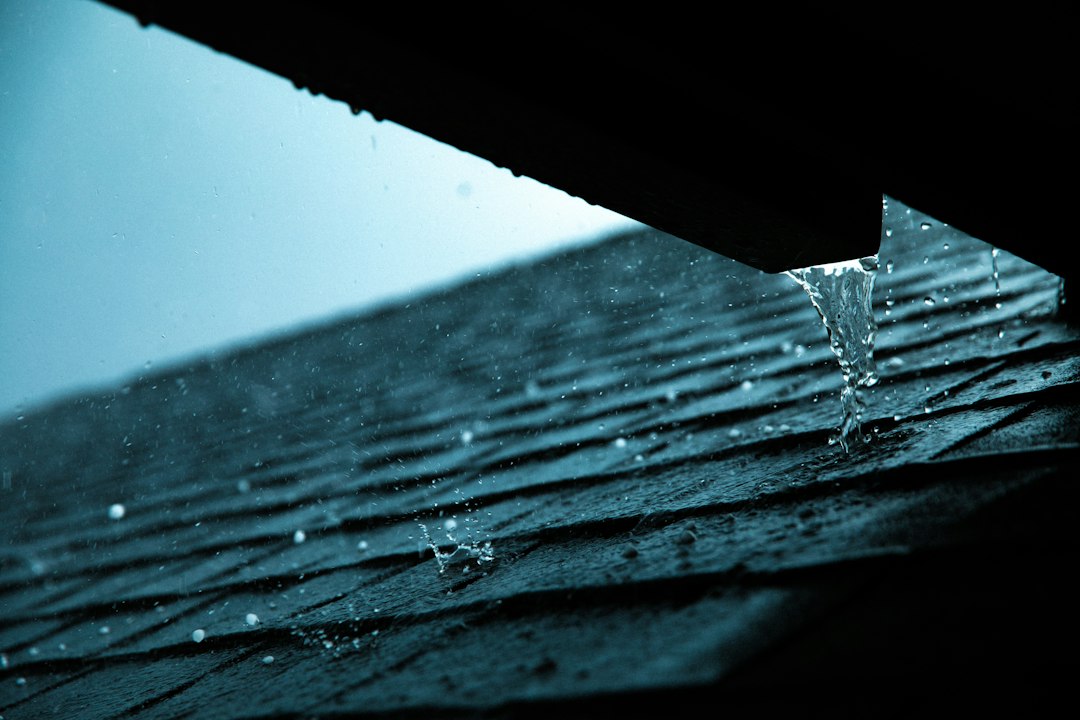
Roof Drip Edge: What It Does and Why the Roof Edge Needs It
Roof drip edge helps direct runoff away from vulnerable roof-edge materials. Learn what it does, how it works…